
There’s something undeniably comforting about a dish that has stood the test of time, weaving its way through generations with a promise of warmth and satisfaction. Classic meatloaf is more than just a meal; it’s a savory journey into culinary tradition, where simple ingredients transform into a harmonious symphony of flavors. From humble family kitchens to bustling diners, this beloved staple continues to captivate palates with its rich history and hearty appeal.Join us as we explore the timeless charm of classic meatloaf-unpacking its origins, variations, and the reasons why this unpretentious dish remains a cherished favorite on tables worldwide.
Discovering the Roots and Modern Flair of the Classic Meatloaf
The timeless charm of classic meatloaf invites us on a savory journey that blends history, family tradition, and culinary ingenuity. Rooted in humble beginnings-when resourceful cooks transformed ground meat with pantry staples into hearty meals-meatloaf has evolved into a beloved comfort dish transcending generations and regions.
Dating back to European meat mixtures of the 1700s, the meatloaf concept took strong hold in America during the Great Depression, where economical and filling meals were vital. Over the decades, this dish has embraced everything from ketchup-glazed tops to gourmet spins with exotic spices and luxurious fillings, making it endlessly adaptable while remaining approachable.
Prep and Cook Time
- Planning: 20 minutes
- Cooking: 1 hour
- Total Time: 1 hour 20 minutes
Yield
- Serves 6 hearty portions
Difficulty Level
- Easy – perfect for both beginner cooks and seasoned chefs
Ingredients
- 1 ½ pounds ground beef (preferably 80/20 for juiciness)
- ½ pound ground pork for added flavor and moisture
- 1 cup fresh breadcrumbs (Italian style or plain)
- 1 medium onion, finely diced
- 2 cloves garlic, minced
- 1 large egg, beaten
- ¾ cup whole milk
- ¼ cup ketchup (plus extra for topping)
- 2 tablespoons Worcestershire sauce
- 1 teaspoon Dijon mustard
- 1 teaspoon salt
- ½ teaspoon black pepper, freshly ground
- ½ teaspoon dried thyme or Italian seasoning
- ½ cup grated Parmesan cheese (optional, for a subtle depth)
Step-by-Step Instructions
- Preheat your oven to 350°F (175°C). Lightly grease a 9×5-inch loaf pan or line it with parchment paper for easy removal.
- Sauté the onion and garlic in a skillet over medium heat with a splash of oil until softened and translucent, approximately 5 minutes. This builds a sweet, aromatic base without overpowering the dish.
- In a large mixing bowl, combine ground beef, ground pork, sautéed onion and garlic, fresh breadcrumbs, beaten egg, milk, ketchup, Worcestershire sauce, Dijon mustard, salt, pepper, thyme, and Parmesan cheese. Use your hands or a sturdy spoon to mix everything gently but thoroughly-overmixing can toughen the meatloaf.
- Transfer the mixture into the prepared loaf pan,pressing down firmly but evenly to shape the loaf.
- Spread a thin layer of ketchup over the top for a classic tangy glaze. For a more complex flavor, mix ketchup with a teaspoon of brown sugar and a dash of smoked paprika before topping.
- Bake uncovered in the preheated oven for 55-65 minutes, or until the internal temperature reaches 160°F (71°C). Avoid opening the oven door too often to keep the heat stable and the crust intact.
- Remove from oven and let the meatloaf rest for at least 10 minutes before slicing. This allows juices to redistribute, making each slice moist and perfectly tender.
Chef’s Notes for Meatloaf Mastery
- Meat Variations: Substitute half of the ground beef with ground turkey or veal for subtle texture differences without sacrificing flavor.
- Breadcrumb Choices: Panko breadcrumbs add airiness, while crushed crackers yield a denser loaf-choose based on your preference.
- Flavor Boosters: Incorporate finely chopped bell peppers, celery, or even mushrooms for dimension and nutrition.
- Make-Ahead Tip: Shape and glaze your meatloaf the night before. Keep covered in the fridge, then bake fresh the next day for effortless weeknight dinners.
- Prevent Overcooking: use a meat thermometer to avoid dryness. Resting post-baking is non-negotiable for juicy results.
Serving Suggestions – Elevate Every Bite
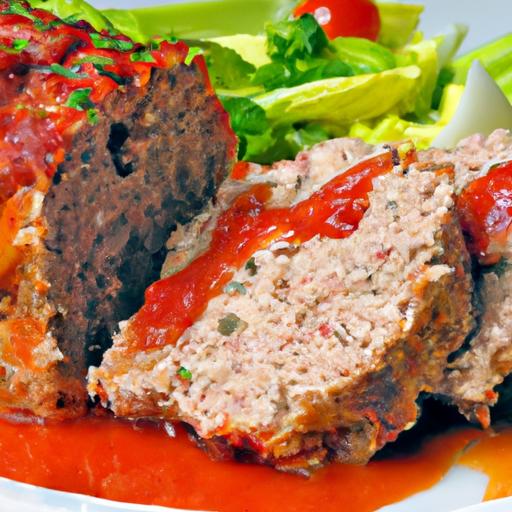
Plate your classic meatloaf alongside creamy mashed potatoes and a radiant, crisp green vegetable like steamed green beans or roasted Brussels sprouts. A drizzle of rich pan gravy or a tangy tomato-based sauce complements it beautifully.Garnishing with fresh parsley or chives adds a vibrant splash of color. For a hearty dinner, consider a side of buttery dinner rolls or a simple mixed green salad with a light vinaigrette.
For inspiration on side pairings and gravy recipes,check out our Comfort Food Side Dishes Guide. To explore meat safety and cooking temperatures, visit the USDA Food Safety Standards.
Nutritional facts per Serving
| calories | Protein (g) | carbohydrates (g) | Fat (g) |
|---|---|---|---|
| 350 | 28 | 12 | 22 |

Q&A
Q&A: The Timeless Charm of Classic Meatloaf – A Savory Journey
Q1: What makes classic meatloaf such a cherished dish across generations?
A1: Classic meatloaf holds a special place in culinary hearts because it embodies comfort, nostalgia, and simplicity. Its humble ingredients-ground meat, breadcrumbs, eggs, and spices-meld into a harmonious blend that evokes memories of family dinners and cozy kitchens. The dish is adaptable, approachable, and hearty, making it a reliable go-to for nourishing both body and soul.
Q2: Where did meatloaf originate, and how has it evolved over time?
A2: Meatloaf’s roots stretch back to Europe, with early versions appearing in Germany and Scandinavia as a way to stretch ground meat with fillers. When immigrants brought the recipe to America,it transformed into a beloved staple,especially during the Great Depression and World War II,when resourcefulness was key. Modern adaptations have introduced new ingredients and flavor profiles, but the essence remains-a savory loaf that’s as much about tradition as taste.
Q3: What are the key components that define a classic meatloaf?
A3: At its core, classic meatloaf combines ground beef (sometimes mixed with pork or veal), breadcrumbs or crackers, finely chopped onions, eggs to bind, milk for moisture, and a dash of seasonings like salt, pepper, and herbs. A topping-frequently enough a tangy tomato-based glaze or ketchup spread-adds a glossy, flavorful finish that caramelizes in the oven, sealing in juiciness.
Q4: How does meatloaf balance nutrition and flavor?
A4: Meatloaf is a protein-packed powerhouse that can be as wholesome as its maker intends. Incorporating vegetables like grated carrots or bell peppers adds vitamins and moisture, while the lean meat options help control fat content. The interplay of meat and seasonings offers satisfying savory notes, making it a balanced meal component that delivers both sustenance and comfort.
Q5: Can meatloaf be reinvented while staying true to its classic charm?
A5: Absolutely! The beauty of meatloaf lies in its versatility. From swapping beef for turkey or lamb, experimenting with international spices, to incorporating unique glazes like barbecue or sweet chili, meatloaf welcomes creativity. Yet, no matter the twist, it remains a loaf of blended flavors baked to perfection-honoring tradition while inviting innovation.
Q6: Why does meatloaf continue to resonate with home cooks and food lovers today?
A6: Meatloaf endures as it’s a culinary embrace-warm, dependable, and deeply satisfying. It’s a dish that tells stories: of parental love through Sunday suppers, of communities bonding over shared meals, of simple ingredients elevated through care. In a fast-paced world, classic meatloaf invites us to slow down, savor familiar flavors, and celebrate the timeless joy of good food made with heart.
To Conclude
As the aroma of a perfectly baked meatloaf wafts through the kitchen, it carries with it more than just the promise of a hearty meal-it tells a story steeped in comfort, tradition, and culinary creativity. The timeless charm of classic meatloaf lies not only in its savory flavors but in its ability to bring people together around the dinner table, generation after generation. Whether enjoyed as a humble weekday dinner or elevated with gourmet twists, meatloaf remains a testament to the enduring power of simple, soulful cooking. So next time you slice into this beloved dish, remember you’re partaking in a savory journey that honors the past while inspiring new memories to come.