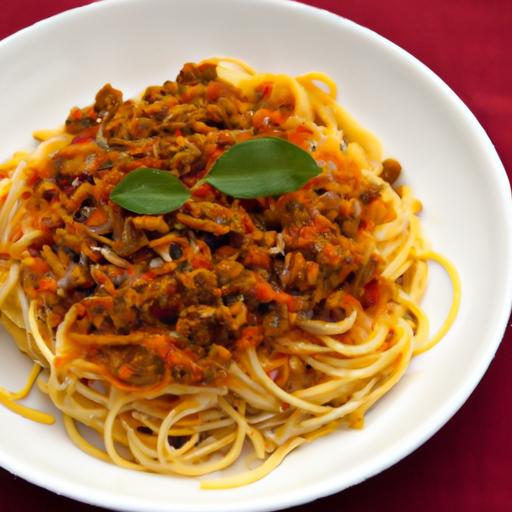

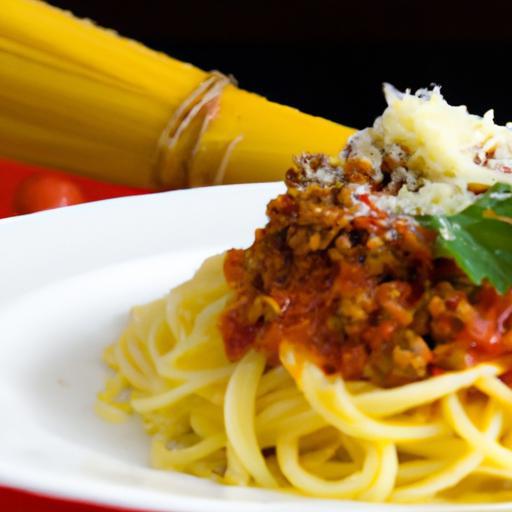
Beneath the comforting swirl of tomato sauce and pasta strands lies a story far richer than the savory taste on your plate. Spaghetti Bolognese, a dish beloved around the globe, carries with it a tapestry woven from centuries of culinary tradition, regional pride, and secret family recipes. More than just a simple meal, its origins and evolution reveal interesting insights into Italian culture and the art of cooking.Join us as we unravel the rich history and hidden secrets behind Spaghetti Bolognese, uncovering how this iconic dish transformed from humble beginnings into an international comfort food staple.
The Rich History and Secrets Behind Spaghetti Bolognese unravels the timeless allure of this iconic Italian dish.Originating from Bologna, Italy, this hearty sauce transcends borders and kitchens worldwide, capturing hearts with its rich ragù, layered flavors, and slow-cooked tenderness. As a dish steeped in tradition and regional ingenuity, it invites both novice cooks and seasoned gourmands to delve into its history and master authentic techniques that elevate humble ingredients into an unforgettable feast.
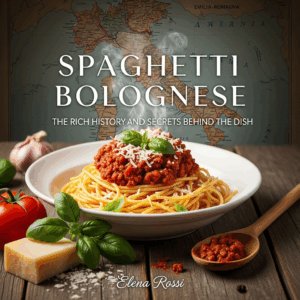
Prep and Cook Time
- Preparation: 20 minutes
- Cooking: 2 hours 30 minutes (slow simmering for depth of flavor)
- Total: 2 hours 50 minutes
Yield
Serves 6 generously, perfect for a family gathering or leftovers that taste even better the next day.
Difficulty level
Medium: Requires patience and attention but no advanced culinary skills.
Ingredients
- 2 tablespoons extra virgin olive oil
- 4 ounces pancetta or thick-cut bacon, finely diced
- 1 large yellow onion, finely chopped
- 2 medium carrots, peeled and diced
- 2 celery stalks, diced
- 3 cloves garlic, minced
- 1 pound ground beef (preferably 80% lean)
- 1/2 pound ground pork
- 1 cup whole milk
- 1 cup dry white wine
- 28 ounces canned whole San Marzano tomatoes, crushed by hand
- 2 tablespoons tomato paste
- 1 teaspoon dried oregano
- 1 bay leaf
- Salt and freshly ground black pepper to taste
- Freshly grated Parmigiano-Reggiano cheese, for serving
- 12 ounces high-quality spaghetti
Instructions
- Heat the olive oil in a large heavy-bottomed pot over medium heat. Add the pancetta and sauté until golden and crisp, about 5 minutes, stirring to prevent sticking.
- Add the onion,carrot,and celery. Sauté gently until softened and translucent,about 8 minutes,stirring occasionally.This soffritto is the flavor foundation.
- Stir in the garlic and cook for 1 minute until fragrant.
- Add the ground beef and pork, breaking up clumps with a wooden spoon. Cook until browned all over and no pink remains, about 10 minutes. Avoid overcrowding the pan so the meat sears rather than stews.
- Pour in the milk, reduce heat to low, and simmer gently, stirring frequently enough, until the milk evaporates-this enriches the sauce and tenderizes the meat, about 15 minutes.
- Increase heat, add the wine, and simmer until mostly evaporated, about 10 minutes.
- Stir in crushed tomatoes, tomato paste, oregano, bay leaf, salt, and pepper. Bring to a low simmer, then reduce heat to very low.
- Cover partially and cook slow and low for 2 to 2½ hours, stirring every 20 minutes. The sauce should thicken and deepen in flavor.
- Discard the bay leaf. Taste and adjust seasoning.
- Simultaneously occurring, cook spaghetti in salted boiling water until al dente. Drain,reserving some pasta water.
- Toss spaghetti with a ladle of the rich Bolognese sauce. Use reserved pasta water if needed to marry the sauce and pasta beautifully.
- Serve hot with a generous sprinkle of freshly grated Parmigiano-Reggiano and a drizzle of good olive oil.
tips for Success
- Choose quality meat: Mixing beef with pork adds sweetness and depth; avoid pre-seasoned blends for control over flavor.
- Slow simmering: Patience lets flavors harmonize; rushing results in a flat sauce.
- Milk addition: This step mellows acidity and tenderizes-don’t skip!
- Use San marzano tomatoes: Authentic and sweet,thay anchor the sauce’s character.
- Make ahead: Bolognese tastes even better the next day. Cool and refrigerate for up to 3 days or freeze in portions.
- Customize texture: For a chunkier sauce, use coarser chopped vegetables and meat; for a smoother sauce, pulse soffritto lightly in a food processor before cooking.
Serving Suggestions
Present your Spaghetti Bolognese on warm plates, gently twirled for an elegant heap. Garnish with freshly torn basil or flat-leaf parsley to introduce a herbal brightness. A rustic loaf of crusty Italian bread is perfect for mopping up the luscious sauce. Pair with a glass of full-bodied red wine-such as Sangiovese or Chianti-to complement the rich meatiness. For a finishing touch, a light drizzle of extra virgin olive oil heightens the sauce’s silkiness.

Nutritional Information Per Serving
| Calories | Protein | Carbohydrates | Fat |
|---|---|---|---|
| 480 kcal | 32 g | 50 g | 15 g |
Explore more conventional Italian sauces in our detailed guide on Homemade Italian Tomato Sauces and deepen your understanding of pasta pairings.
For an authoritative dive into Italian culinary heritage, visit the Academia.edu Italian Cuisine History Archive and enrich your culinary journey.
Q&A
Q&A: The Rich History and Secrets Behind spaghetti Bolognese
Q1: What is the origin of Spaghetti Bolognese?
A1: Contrary to popular belief,Spaghetti Bolognese as we know it isn’t a traditional Italian dish. Its roots lie in Bologna, Italy, where Ragù alla Bolognese originated. However, the authentic Ragù is traditionally served with tagliatelle, not spaghetti. The meat-based sauce evolved over centuries,reflecting the region’s rustic culinary heritage. The version served over spaghetti is largely an Anglo-Italian adaptation that gained immense popularity outside Italy.
Q2: How did Spaghetti Bolognese become so popular worldwide?
A2: In the mid-20th century, Italian emigrants and restaurants abroad sought to recreate Italian flavors with accessible ingredients and familiar pasta shapes like spaghetti. This fusion gave birth to the dish many recognize today. Its hearty, savory nature combined with the comfort of spaghetti made it a universal symbol of Italian-american and international Italian-style cuisine.
Q3: What distinguishes authentic Ragù alla Bolognese from the global Spaghetti Bolognese?
A3: Authentic Ragù alla Bolognese is a slow-cooked sauce featuring finely minced beef, pancetta, soffritto (onions, celery, carrots), a splash of milk, white wine, and a touch of tomato paste-resulting in a rich but subtly flavored sauce. It’s traditionally paired with tagliatelle, which better holds the dense sauce. In contrast, global variations often use more tomato, garlic, and sometimes sugar, producing a tangier, redder sauce served on spaghetti.
Q4: Are there any culinary secrets to making the perfect Bolognese?
A4: Absolutely. the magic lies in patience and layering flavors. Sautéing pancetta before adding meat adds depth,while slowly simmering the sauce allows the flavors to meld beautifully. The use of milk or cream softens acidity and tenderizes the meat. Also, choosing the right pasta to complement the sauce’s texture is key-wider, flatter noodles trap the ragù better than thin spaghetti.
Q5: Has Spaghetti Bolognese inspired any unique variations?
A5: Yes! From vegetarian versions using lentils or mushrooms to gourmet takes with exotic herbs, fortified wines, or even truffle oil, chefs worldwide have put their spin on Bolognese. Some regions swap beef for pork, veal, or game, while others twirl it with different pasta shapes, embracing the dish’s adaptable spirit.
Q6: Why does Spaghetti Bolognese continue to captivate food lovers?
A6: Its universal appeal stems from its comforting heartiness and adaptability. It’s a dish that tells a story-of Italian tradition, cultural crossings, and culinary evolution. With every simmer and sprinkle of Parmesan, Spaghetti Bolognese invites us to savor history on a plate, bridging continents and generations through flavor.
To Conclude
As the final forkful of spaghetti Bolognese is savored, we come to appreciate that this beloved dish is far more than a simple plate of pasta and sauce. It carries within it centuries of culinary tradition, regional pride, and a tapestry of secret ingredients that have been lovingly passed down through generations. From its humble origins in the bustling kitchens of Bologna to its iconic status on tables worldwide,spaghetti Bolognese reminds us that food is a storytelling art-a delicious narrative of history,culture,and creativity.So next time you twirl those noodles around your fork, remember: you’re tasting a masterpiece rich not just in flavor, but in heritage. Buon appetito!