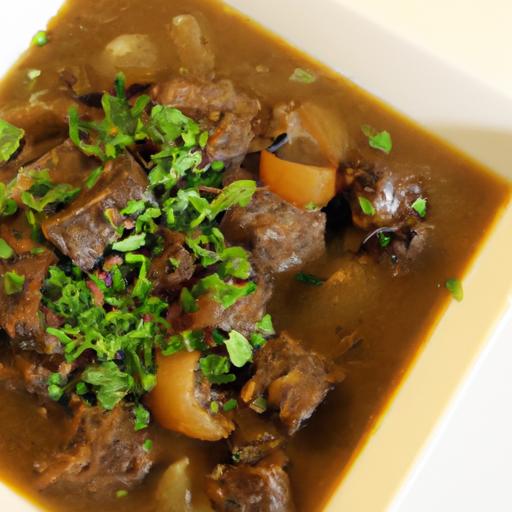

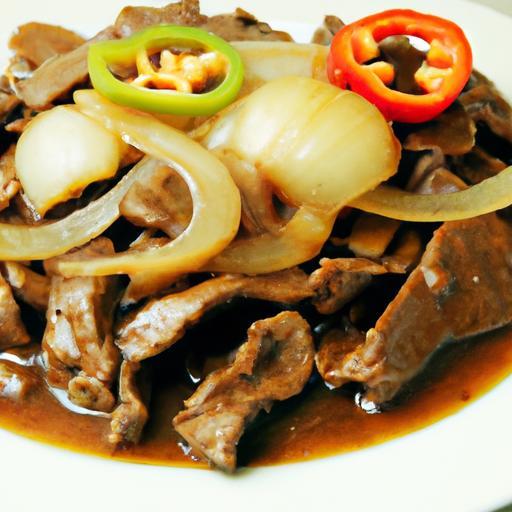
There’s something irresistibly comforting about the rich, savory aroma of beef pares simmering gently on the stove-a beloved filipino dish that has won hearts both at home and abroad. More than just a meal, beef pares is a culinary tradition that beautifully marries tender braised beef with a flavorful, slightly sweet soy-based sauce, often enjoyed alongside garlic fried rice and a warm bowl of beef broth. Whether you’re a seasoned foodie or a curious kitchen explorer, this classic recipe invites you to dive into the vibrant flavors of the Philippines and experience a dish that’s as comforting as it is delicious. let’s uncover the secrets behind savoring beef pares and discover why it’s a must-try recipe for your next hearty meal.
Discovering the Rich History and Cultural Importance of Beef Pares
beef Pares is a beloved Filipino stew that blends sweet, savory, and aromatic flavors rooted in tradition. First served in Manila’s carinderias, it was made to pair with garlic fried rice and clear beef broth, offering locals an affordable yet comforting meal.
This stew is an emblem of Filipino ingenuity-combining the tender richness of beef brisket or shin cuts with a sauce kissed by star anise, soy sauce, and sugar. The influence of Chinese culinary techniques is evident in the use of marinade, braising methods, and the iconic pairing that shapes its identity. Today, it’s a comfort food staple found in almost every pantalan (port) sari-sari store and is celebrated for bringing families together over a warm shared meal.
Beef Pares reflects community and resilience, turning humble ingredients into a soulful dish. Cooking it at home connects you to Filipino heritage while creating lasting memories at the table.
Mastering the Perfect Beef Pares Stew: Ingredients and Techniques
To capture the essence of Beef Pares, balance is key-combining the rich umami of beef broth with the sweet-salty glaze that soaks into tender, slow-braised beef chunks. Precision in ingredient selection and technique elevates this dish from everyday to extraordinary.
Prep and Cook Time
- Preparation: 20 minutes
- Cooking: 2 hours 30 minutes
- Total Time: 2 hours 50 minutes
Yield
- Serves 6 hearty portions
Difficulty Level
- Medium – Requires patience and layering of flavors
Ingredients
- 2 lbs beef brisket or beef shin, cut into 2-inch cubes
- 1/2 cup soy sauce (preferably Filipino soy sauce)
- 1/4 cup brown sugar, packed
- 6 cloves garlic, minced
- 1 large onion, finely chopped
- 4 cups beef broth or water with beef bouillon
- 2 star anise pods
- 1 tbsp annatto oil (for color and flavor)
- 1 tsp black peppercorns
- 2 tbsp cooking oil
- Salt to taste
- 1 tbsp cornstarch mixed with 2 tbsp water (optional, for thickening)
Instructions
- Marinate the beef: Combine the beef cubes with soy sauce, half of the minced garlic, and half the brown sugar. Refrigerate for at least 1 hour or overnight for deeper flavor infusion.
- Sear the beef: Heat cooking oil in a heavy pot over medium-high heat. Remove beef from marinade (reserve marinade) and sear the meat until browned on all sides, about 5-7 minutes. Set beef aside.
- Sauté aromatics: In the same pot, add annatto oil. Sauté the remaining garlic and chopped onions until fragrant and translucent, about 3-4 minutes.
- Deglaze and build flavor: Pour in the reserved marinade and stir. Add the star anise and black peppercorns, allowing the mixture to reduce slightly for 2-3 minutes.
- Braise the beef: Return the seared beef to the pot. Pour in beef broth, ensuring meat is mostly submerged. Bring to a boil, then lower heat to a simmer. Cover and cook for 2 hours, or until beef is fork-tender. Stir occasionally and add water if needed.
- Adjust seasoning and thicken: Add remaining brown sugar, salt to taste, and adjust flavors. If you prefer a thicker sauce, stir in the cornstarch slurry and cook for another 3-5 minutes until glossy and slightly thickened.
- Final touches: Remove star anise pods before serving. For a vibrant presentation, spoon some of the luscious sauce over the beef.
Tips for Success
- Use tough but flavorful cuts like brisket, shin, or plate cuts – slow cooking transforms them into tender, melt-in-your-mouth bites.
- Marinate overnight to allow the soy sauce and sugar to penetrate deeply, enhancing the savory-sweet complexity typical of Beef Pares.
- Simmer gently and avoid boiling vigorously to keep the meat tender and avoid clouding the broth.
- For an extra layer of richness, consider adding a cinnamon stick or a splash of toasted sesame oil during braising.
- Leftovers taste even better the next day as flavors continue to meld-make-ahead amiable!
Pairing Beef Pares with Authentic Filipino Side Dishes
In true Filipino style, Beef Pares should always be served alongside a steaming plate of plain garlic fried rice, the perfect canvas to soak up its luscious sauce. A clear beef broth soup accompanies the meal, balancing the heaviness with a light, comforting sip. For added freshness and texture, sliced pickled green papaya (atchara) or cucumber salad offers a radiant contrast.
To round out the feast, try classic sides like crispy fried egg on top of the rice or a side of Pancit canton for noodles that harmonize with the stew’s bold flavors. These pairings elevate the dining experience,turning a simple meal into a celebration of Philippine cuisine.
Tips and Tricks for Elevating Your Beef Pares Experience at home
- Use quality soy sauce: Authentic Filipino soy sauces like Marca Piña or Silver Swan bring the right balance of saltiness and umami.
- Incorporate aromatics: Adding hints of star anise, bay leaves, or even a touch of garlic powder enriches the aromatic profile.
- Control sweetness: Adjust brown sugar according to your palate-traditional Beef Pares has a delicate sweet undertone without overpowering.
- Presentation matters: Garnish with chopped green onions or fried garlic bits to add texture and a pop of color.
- Serve hot: This dish is best enjoyed fresh and piping hot, allowing the sauce to coat each bite perfectly.
| Nutritional Data (per serving) | Amount |
|---|---|
| Calories | 320 kcal |
| Protein | 28 g |
| Carbohydrates | 15 g |
| Fat | 18 g |

For additional inspiration and Filipino stew recipes, explore our collection of beef dishes. To understand the cultural depth behind Filipino stews, the Cultural Atlas Philippines Food Guide offers excellent insights into traditional flavors.
Q&A
Q&A: Savoring Beef Pares – A Classic Filipino Recipe to Try Today
Q1: What exactly is Beef Pares?
A: Beef Pares is a beloved Filipino dish that marries tender, savory beef stewed in a rich, slightly sweet soy-based sauce with garlic fried rice and a warm bowl of beef broth.The word “pares” means “pairs” in filipino, referring to the perfect harmony of these elements served together.
Q2: Where did Beef Pares originate?
A: Beef Pares traces its roots to the bustling streets of Manila, where street food vendors creatively combined beef stew and garlic rice to craft a satisfying, hearty meal. It quickly grew in popularity for its comforting flavors and affordable price, becoming a staple in Filipino food culture.
Q3: What makes Beef pares different from other beef stews?
A: unlike typical beef stews, Beef Pares features a balance of sweet, salty, and umami notes, achieved through soy sauce, sugar, and aromatics like garlic and star anise. The addition of beef broth as a side soup and garlic fried rice completes the experience, making it more than just a stew-it’s a full sensory delight.
Q4: Is Beef Pares difficult to cook at home?
A: Not at all! While it takes some time for the beef to become tender and for the flavors to meld, the steps are straightforward.With a few pantry staples like soy sauce, garlic, and star anise, plus patience for slow simmering, you can easily recreate this classic dish in your kitchen.
Q5: Can I customize Beef Pares to fit my taste preferences?
A: Absolutely! Some variations include adding beef tendon or marrow for extra richness, adjusting the sweetness or saltiness, or even incorporating chili for a spicy kick. The recipe is versatile-feel free to make it your own while preserving its comforting essence.
Q6: What dishes or drinks pair well with beef pares?
A: Considering Beef Pares is typically served with garlic fried rice and beef broth, a crisp side of pickled papaya (atchara) or a tangy tomato salad complements it wonderfully. For drinks, a cold calamansi juice or a simple iced tea balances the savory richness.
Q7: Why should I try making Beef Pares today?
A: Beyond its mouthwatering taste, making beef Pares is a flavorful journey into Filipino culture and comfort food. It’s perfect for those who crave hearty, soulful dishes that warm both body and spirit-plus, it’s a fantastic way to impress family and friends with a taste of the Philippines.
Insights and Conclusions
whether you’re a seasoned foodie or a curious culinary adventurer, savoring beef pares offers more than just a meal-it’s a delicious dive into the heart of Filipino culture. The tender beef, rich broth, and perfectly paired garlic fried rice come together to create a symphony of flavors that’s both comforting and unforgettable. So next time you’re looking to spice up your kitchen repertoire, why not try this classic recipe? Embrace the tradition, enjoy the process, and most importantly, relish every flavorful bite. After all, great food is best when shared-and beef pares is a hearty story waiting to be told on your plate.