
There’s a certain magic in taking a beloved classic and giving it an unexpected twist-transforming the familiar into something delightfully new. Enter Persian muffins: an inventive twist on the traditional muffin that blends the comforting texture we adore with the rich, aromatic flavors of Persian cuisine. Infused with fragrant spices, nuts, and hints of rosewater or saffron, these muffins transport your taste buds on a journey beyond the usual breakfast fare. In this article, we’ll explore the origins, flavor profiles, and simple ways to bring this flavorful fusion into your kitchen, proving that sometimes, the best culinary adventures start with a humble muffin.
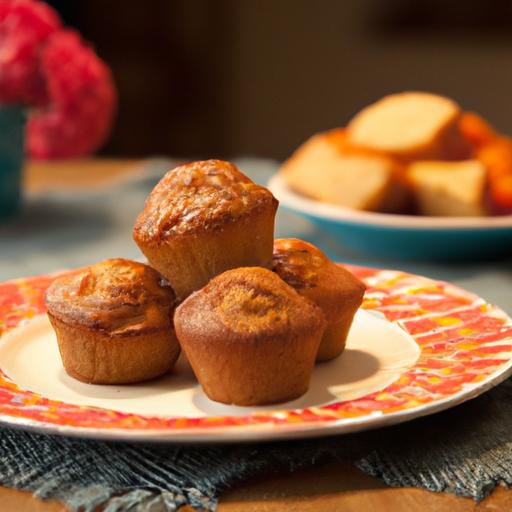
Persian Muffins offer an enticing journey into the rich cultural tapestry of Persian cuisine, blending aromatic spices and wholesome ingredients into a muffin that’s delightfully different from the Western classic you know. Rooted in traditional Persian flavors, these muffins showcase fragrant cardamom, rose water, and a hint of saffron, creating a subtle yet unforgettable taste experience that pairs beautifully with both sweet and savory accompaniments.
Prep and cook Time
- Preparation: 15 minutes
- Cooking: 20 minutes
- Total Time: 35 minutes
Yield
Yields 12 charming, golden Persian muffins-perfect for brunch, afternoon tea, or a comforting snack.
Difficulty Level
Easy to medium: Ideal for home bakers eager to experiment with international flavors without fuss.
Ingredients
- 2 cups all-purpose flour, sifted
- 1/2 cup granulated sugar
- 2 tsp baking powder
- 1/2 tsp baking soda
- 1/2 tsp salt
- 1 tsp ground cardamom (preferably freshly ground)
- 1/4 tsp ground saffron threads, steeped in 2 tbsp warm water
- 1/4 cup rose water
- 1 cup plain yogurt (full-fat recommended)
- 1/2 cup unsalted butter, melted and slightly cooled
- 2 large eggs
- 1 tsp pure vanilla extract
- 1/2 cup chopped pistachios (optional, for texture and garnish)
Step by Step Guide to Baking Perfect Persian Muffins at home
- Preheat your oven to 375°F (190°C) and line a 12-cup muffin tin with paper liners or grease thoroughly.
- In a large bowl, whisk together the sifted flour, sugar, baking powder, baking soda, salt, and ground cardamom. These dry ingredients lay the fragrant foundation for your muffins.
- In a separate medium bowl, combine the yogurt, melted butter, eggs, vanilla extract, rose water, and the saffron water infusion. Whisk gently until the mixture is smooth and harmonious.
- Make a well in the center of the dry ingredients and pour in the wet mixture. Fold together just until combined-overmixing can compromise tenderness. A few small lumps are perfectly fine.
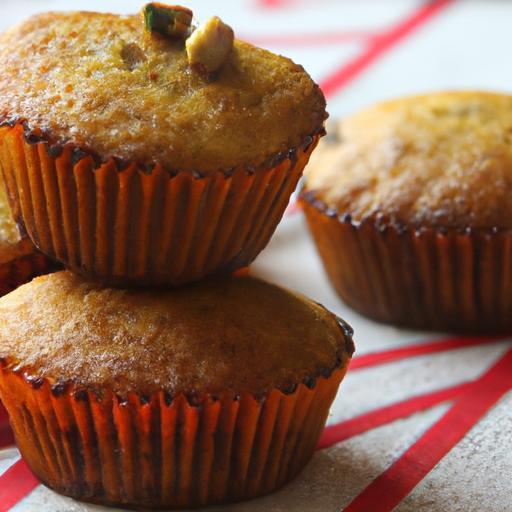
- If using pistachios, gently fold them in here, saving a handful for topping each muffin before baking.
- Divide the batter evenly into the prepared muffin cups, filling each about 3/4 full to allow room for rising.
- sprinkle extra pistachios on top of each muffin for an appealing crunch and a pop of color.
- Bake in the preheated oven for approximately 18-22 minutes, or until a toothpick inserted in the center comes out clean. watch closely after 18 minutes to avoid overbaking.
- Let the muffins cool for 5 minutes in the pan,then transfer to a wire rack to cool completely for best texture and flavor.
Chef’s Notes & Tips for Success
- Freshly ground cardamom dramatically enhances flavor – avoid pre-ground if possible for the most authentic notes.
- If you prefer a dairy-free version, substitute yogurt with coconut yogurt and butter with coconut oil; the floral notes will shine just as well.
- Adding 1/4 cup finely chopped dried barberries (zereshk) boosts tartness and authenticity, making your muffins taste even more traditionally persian.
- Be cautious not to overmix the batter; this helps maintain a tender crumb and avoids density.
- Make-ahead option: Store cooled muffins in an airtight container at room temperature for up to 3 days, or freeze for up to 1 month wrapped tightly.
- Serve slightly warm to bring out the saffron and rose water bouquet in full glory.
Flavorful Serving Suggestions and Pairings to Elevate Your Experience
These persian muffins are versatile enough to star alongside a variety of accompaniments. For a traditional touch, serve with a dollop of clotted cream or thick Greek-style yogurt drizzled with honey and sprinkled with crushed pistachios. Pairing them with a fragrant cup of Persian black tea or rosehip tea accentuates their exotic floral notes. For a savory contrast, crispy fried eggplant or a tangy feta cheese plate complements the muffins’ subtle sweetness beautifully.
Garnish with edible rose petals and an extra pinch of ground cardamom for stunning presentation that delights both eyes and palate.

| Nutrient | Per Muffin (approx.) |
|---|---|
| Calories | 210 kcal |
| Protein | 5 g |
| Carbohydrates | 28 g |
| Fat | 8 g |
To explore more unique Persian-inspired baked delights, check out our Persian Pistachio Cake recipe. For a deeper dive into the fascinating history of saffron, a hallmark of Persian cooking, visit Royal Saffron’s history page.
Q&A
Q&A: Persian Muffins – A Flavorful Twist on a classic treat
Q1: What exactly are Persian muffins?
A1: Persian muffins are a delightful fusion of traditional muffin textures with the aromatic spices and ingredients inspired by Persian cuisine. Imagine the soft, fluffy crumb of a classic muffin infused with flavors like cardamom, rosewater, saffron, or even pistachios – each bite offering a unique, fragrant twist that transports your senses to the vibrant bazaars of Iran.
Q2: How did the idea of Persian muffins come about?
A2: The concept sprang from a culinary desire to merge Western baked goods with Persian culinary artistry. Bakers and food lovers alike wanted to celebrate Persia’s rich spice palette and ingredient heritage in a simple, approachable form. Muffins provided the perfect canvas: universally loved and easy to tweak, allowing the fragrant and exotic Persian notes to shine without overwhelming the palate.
Q3: What flavors typically characterize Persian muffins?
A3: Key flavor notes often include cardamom’s sweet-spicy warmth, the floral delicacy of rosewater, the golden touch of saffron, crunchy pistachios, and sometimes dried fruits like dates or apricots. These ingredients combine to create a layered taste experience-earthy, sweet, nutty, and subtly exotic.
Q4: Are Persian muffins usually sweet or savory?
A4: While traditionally muffins lean sweet, Persian muffins can delight in either realm. Sweet versions highlight rosewater-scented batters and nutty textures, whereas savory takes might incorporate herbs like mint or parsley alongside tangy feta or sumac, offering a nuanced, balanced flavor profile.
Q5: How can I make Persian muffins at home?
A5: Start with your favorite basic muffin recipe and add Persian ingredients: a teaspoon of ground cardamom, a splash of rosewater, a pinch of saffron dissolved in warm milk, and a handful of chopped pistachios or dried barberries. Mix gently, bake until golden, and enjoy the aromatic magic! For savory versions, swap sugar with finely chopped herbs and cheese, and sprinkle sumac on top before baking.
Q6: What occasions are Persian muffins best suited for?
A6: These muffins are as versatile as their flavors. They make fantastic breakfast treats, elegant additions to tea parties, or unique desserts for festive celebrations like Nowruz (persian New Year). Their vibrant aroma and taste spark curiosity and delight in any setting.
Q7: Where can I find Persian muffins if I don’t want to bake?
A7: While persian muffins are still something of a niche treat, they’re becoming increasingly popular in cosmopolitan bakeries specializing in fusion or Middle Eastern-inspired cuisine.Farmers markets or specialty online bakeries focused on international flavors might also offer them, especially around Persian holidays.Q8: Why try Persian muffins over traditional ones?
A8: Persian muffins invite you to embark on a flavorful journey that elevates a familiar comfort food into an experience brimming with history, culture, and sensory delight. They’re a small, delicious way to explore Persian flavors without needing a full Persian feast-perfect for adventurous foodies and lovers of global fusion cuisines.
Q9: Can Persian muffins be adapted for dietary needs?
A9: Absolutely! Persian muffins can be easily made gluten-free using alternative flours like almond or rice flour.Vegan versions swap dairy and eggs for plant-based milk, yogurt, and flax or chia seeds as egg substitutes. The spices and nuts remain the starring flavors no matter the dietary tweaks.
Q10: Any tips for serving Persian muffins?
A10: Serve warm with a light drizzle of honey or a dollop of clotted cream to highlight their fragrant notes. Pair them with a cup of Persian tea-black tea steeped with cardamom or a refreshing rosewater herbal blend-for a truly authentic tasting experience.
In Conclusion
In the grand tapestry of baked delights, Persian muffins stand out as a vibrant thread-infusing a beloved classic with unexpected notes of saffron, cardamom, and rosewater. These fragrant gems invite us to savor the rich culinary heritage of Persia while enjoying the familiar comfort of a muffin. Whether enjoyed with a cup of tea or as a standalone treat,Persian muffins remind us that tradition and innovation can rise beautifully together,creating flavors that are as timeless as they are enchanting.So next time you crave a twist on the ordinary, let these muffins transport your taste buds on a flavorful journey to the heart of Persia.