
In the vibrant world of visual storytelling, where every stroke and shade weaves a narrative, La Salade Draw emerges as a refreshing muse. More than just an art form, it’s a dynamic blend of color, texture, and creativity that invites viewers too savor stories layer by layer-much like a well-crafted salad bursting with diverse flavors. This innovative technique transforms simple illustrations into immersive experiences, offering artists a fresh palette to express emotions and ideas in unexpected ways. Join us as we dive into the art of La salade Draw, exploring how this fresh spin on creativity is redefining the way stories are told, seen, and felt.
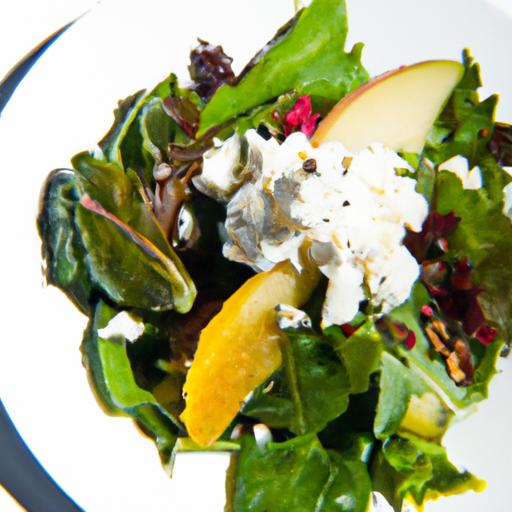
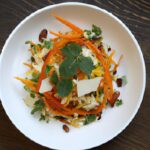
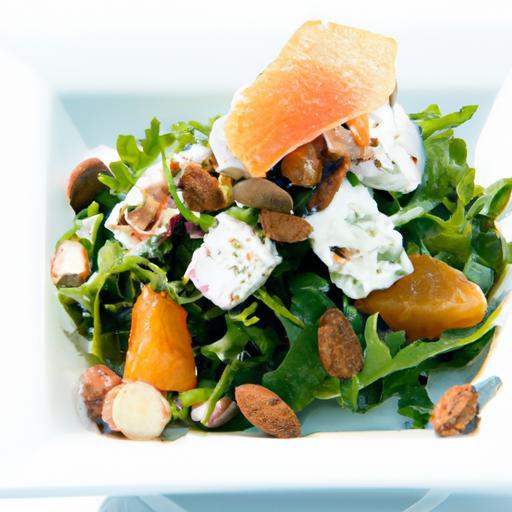
the Art of La Salade Draw offers an innovative approach to visual storytelling, blending culinary artistry with design principles that engage both the palate and the eye. Originating from the fusion of traditional French cuisine and modern illustration techniques, this vibrant dish invites you to explore flavor and color as interwoven narratives on the plate. Personally, I recall my first encounter with La Salade Draw at a small Provençal bistro, where the layers of crisp vegetables and vivid garnishes seemed to tell a fresh, compelling story-a memory that inspired this guide to mastering its visual and sensory appeal.
Prep and Cook Time
- Preparation: 20 minutes
- Assembly and plating: 15 minutes
- Total Time: 35 minutes
Yield
Serves 4 as a vibrant starter or side
Difficulty Level
Medium: Requires attention to layering and color harmony but perfect for anyone eager to explore food styling artistry.
Ingredients
- 2 cups mixed baby greens (arugula, frisée, baby spinach)
- 1 cup cherry tomatoes, halved
- 1 medium heirloom carrot, julienned
- 1/2 cup thinly sliced radishes
- 1 avocado, sliced thinly
- 1/4 cup roasted pine nuts
- 1/2 cup crumbled feta cheese
- Fresh herbs (basil, mint, and chives), finely chopped, about 2 tbsp total
- For the dressing:
- 3 tbsp extra virgin olive oil
- 1 tbsp white wine vinegar
- 1 tsp Dijon mustard
- 1 tsp honey
- Salt and freshly ground black pepper, to taste
Instructions
- Prepare the dressing: In a small bowl, whisk extra virgin olive oil, white wine vinegar, Dijon mustard, and honey until emulsified. Season with salt and pepper.
- Wash and dry greens thoroughly to ensure crisp texture and vibrant color retention in the final composition.
- arrange the base: On your serving plates, create a loose bed of the baby greens, focusing on gentle layering to give height and dimension.
- Layer ingredients thoughtfully: Distribute the cherry tomatoes, julienned carrot, and sliced radishes in alternating clusters to balance color and shape, ensuring your plate tells a “visual narrative.”
- Fan out thin avocado slices gracefully on one side for creamy contrast and a smooth texture layer.
- Sprinkle crumbled feta cheese for brightness and bite, than top with roasted pine nuts for crunch and warm nutty notes.
- Add chopped fresh herbs liberally, focusing on zones where color harmony accentuates eye movement across the plate.
- Finish: Drizzle the prepared dressing evenly but delicately to enhance layers without overwhelming.
- Serve instantly to enjoy optimal freshness and maintain the vibrancy of your carefully crafted layers.
Tips for Success
- Choose vibrant,fresh produce: Quality ingredients are essential for the best visual impact and taste.
- Use geometric layering: Think of your plate as a canvas-alternate colors and shapes to guide the viewer’s eyes naturally.
- Balance textures: Pair creamy elements like avocado with crunchy nuts and crisp vegetables to create sensory excitement.
- Prep ingredients in advance: Wash and cut vegetables, and prepare dressing up to a day ahead for a stress-free assembly process.
- Substitutions: Swap feta with goat cheese for a tangier profile, or replace pine nuts with walnuts for a more robust crunch.
Serving Suggestions
Present La Salade Draw on a wide, shallow white plate to maximize color contrast and negative space, emphasizing the artistic layout.Garnish with microgreens or edible flowers for a whimsical touch. Pair with a chilled Sauvignon Blanc or a light sparkling rosé to complement the dish’s fresh, herbaceous notes.
| Nutrient | Per Serving |
|---|---|
| Calories | 220 kcal |
| Protein | 6 g |
| Carbohydrates | 12 g |
| Fat | 18 g |
Explore more on food styling to deepen your connection with culinary visuals. For further inspiration on color theory and composition in food, visit Smashing Magazine’s design principles.

Q&A
Q&A: The Art of La salade Draw – A Fresh Spin on Visual Storytelling
Q1: What exactly is La Salade Draw?
A1: La Salade Draw is an innovative visual storytelling technique that blends illustrative art with layered, collage-inspired elements-think of it as a mixed media salad for the eyes. Each piece assembles vibrant, seemingly disparate visuals into a cohesive narrative, inviting viewers to unravel stories through a dynamic interplay of colors, textures, and symbols.
Q2: How did La Salade Draw originate?
A2: The concept sprouted from contemporary artists’ desire to break free from traditional linear storytelling. Inspired by the vibrant randomness of a salad mix and the playful energy of street art, creatives began combining sketches, digital art, typographic snippets, and hand-drawn doodles into one harmonious “bowl.” This method encourages spontaneity and layered meanings, reflecting the complexity of modern narratives.
Q3: What makes La Salade Draw diffrent from other visual storytelling styles?
A3: Unlike classic storytelling that follows a strict sequence, La Salade Draw is more of an experiential feast. It doesn’t demand a single interpretation; rather, it thrives on ambiguity and personal engagement. Viewers become active participants, piecing together fragmented clues and creating their own narrative “flavors,” making every encounter unique.
Q4: Can you describe the typical elements involved in a La Salade Draw piece?
A4: Think bold brush strokes tossed with whimsical doodles, layered transparencies mingling with hand-lettered phrases, punctuated by bursts of unexpected color splashes. The key ingredients are contrast and harmony-juxtaposing chaotic energy with carefully placed visual anchors that guide the eye through the story salad.
Q5: What themes does La Salade Draw often explore?
A5: Because it embraces complexity, La Salade Draw frequently delves into themes like identity, memory, culture, and social commentary. Its layered nature mirrors the multifaceted human experience, making it a powerful tool for expressing nuanced emotions and ideas that defy simple clarification.
Q6: How can artists start experimenting with La Salade Draw?
A6: Begin by embracing playfulness-collect materials that inspire you, from ticket stubs to sketchbook scribbles. Layer different media-digital or analog-and don’t be afraid to mix styles or break rules. Focus on evoking feeling over perfect representation; the magic lies in the unexpected juxtapositions and the dialog they create.
Q7: Where can audiences experience La Salade Draw art?
A7: La Salade draw thrives both in galleries and digital spaces. Its vibrant,textured compositions translate beautifully on screens and prints alike. Keep an eye on contemporary art exhibits, online art communities, and experimental zines where this fresh form of visual storytelling is gaining momentum.
Q8: Why is La Salade Draw vital in today’s storytelling landscape?
A8: In a world overloaded with information, La Salade Draw offers a refreshing pause-a space to savor imagery in layers rather than bite-sized chunks. It expands the way we communicate visually, encouraging deeper reflection and making storytelling a more immersive, personal experience.
Dive into the colorful world of La Salade Draw, where every stroke and stitch serves a story waiting to be tasted, torn apart, and reassembled. It’s more than art-it’s a visual feast inviting you to feast, feel, and forge your own narrative path.
in summary
As we savor the vibrant layers of La Salade Draw, it becomes clear that this unique blend of illustration and storytelling offers more than just a feast for the eyes-it redefines how narratives unfold on the page. By mixing textures, colors, and perspectives like fresh ingredients in a salad bowl, artists invite us to engage with stories in a dynamic, unexpected way. Whether you’re a seasoned illustrator or a curious observer, embracing the art of La Salade Draw promises a refreshing twist on visual storytelling, one that nourishes creativity and opens the palate to new imaginative possibilities. So next time you dive into a story, consider the creative crunch of this artistic approach-it just might leave you hungry for more.