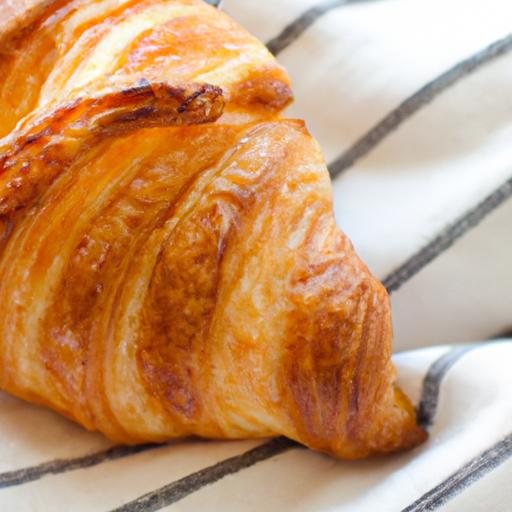

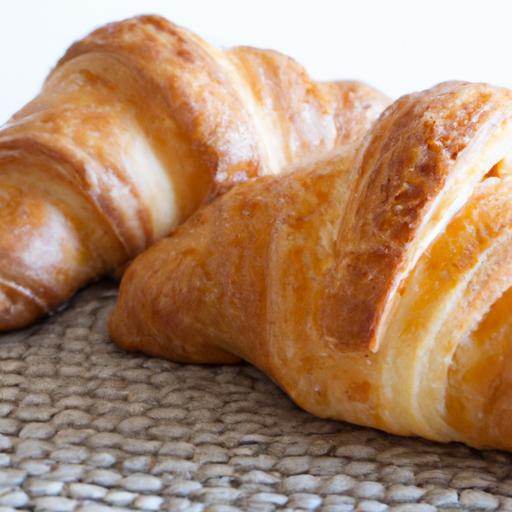
There’s something undeniably magical about the crackle of a perfectly baked croissant-the delicate crispness of each golden layer giving way to a tender,buttery embrace within. More than just a pastry, the croissant is a symbol of culinary artistry, where time-honored techniques meet meticulous craftsmanship to create a treat that transcends centuries and cultures. In “Flaky Perfection: The Timeless Art of Classic Croissants,” we delve into the rich history, precise methods, and passionate dedication behind this beloved French staple. Join us as we unravel the secrets that transform simple dough and butter into an iconic masterpiece of flaky perfection.
Flaky perfection begins with understanding the delicate balance of ingredients and technique that create the signature layers of classic croissants. From the moment you choose your butter to the careful folding of dough, every step directly influences the airy, tender crumb and golden, crisp crust that make these French pastries timeless favorites.
Prep and Cook Time
- Planning: 1 hour 30 minutes (plus 12-24 hours chilling and resting)
- Cooking: 15-20 minutes
- Total: Approximately 14 hours (largely passive time for chilling and proofing)
Yield
Yield: 12 classic-sized croissants
Difficulty Level
Advanced – Requires patience, precision, and practise to master layering and proofing
Ingredients
- 500g all-purpose flour, sifted
- 300ml whole milk, cold
- 50g granulated sugar
- 10g fine sea salt
- 12g active dry yeast
- 60g unsalted butter, melted (for dough)
- 300g high-quality unsalted European-style butter, chilled
- 1 large egg (for egg wash)
Instructions
- Activate the yeast: In a small bowl, dissolve the active dry yeast in 50ml of cold milk with a pinch of sugar. Let it sit for 5-10 minutes until frothy.
- Make the dough: In a large bowl, combine the sifted flour, sugar, and salt. stir in the yeast mixture, remaining milk, and melted butter. Mix until a sticky dough forms. Knead for 8-10 minutes until smooth but still soft. Avoid over-kneading, which can toughen gluten.
- First fermentation: Shape dough into a ball, cover with plastic wrap, and refrigerate for 1 hour to rest and develop flavor.
- Prepare the butter block: Place the chilled European-style butter between two sheets of parchment. Using a rolling pin, pound and roll the butter into a 7×7 inch square about ¼-inch thick. Keep the butter cold but pliable-too cold,and it cracks; too warm,it melts into the dough.
- Incorporate the butter: Roll the dough into a 10×10 inch square on a lightly floured surface.Place the butter block in the center at a 45-degree angle to the dough. Fold the dough corners over the butter like an envelope, fully encasing it.
- First fold (lamination): Roll the dough into a long rectangle about 20 inches by 7 inches, dusting lightly with flour. Fold the dough into thirds, like a letter. This completes the first turn. Wrap in plastic wrap and chill for at least 1 hour.
- Second and third folds: Repeat the rolling and folding process two more times, chilling the dough for 1 hour between each turn to relax gluten and keep butter firm.This layering creates the flaky texture, where thin sheets of butter separate the dough.
- Shape the croissants: Roll the dough into a 20×10 inch rectangle.Cut triangles with a 5-inch base. Stretch each triangle slightly, roll from base to tip, and curve the ends to form the classic crescent.
- Proofing: Place croissants on a parchment-lined tray, cover loosely with a cloth or plastic, and proof at 75°F (24°C) for 2-3 hours until puffy and nearly doubled. Proper proofing fills layers with air, making them light and tender.
- Egg wash and bake: Brush croissants gently with beaten egg for a golden exterior. Bake in a preheated oven at 375°F (190°C) for 15-20 minutes until puffed and deeply golden brown. Rotate tray halfway for even browning.
- Cool slightly: Let croissants cool on wire racks for 10 minutes before enjoying. This final rest lets steam escape and layers set beautifully.
Tips for Success
- Use high-quality European-style butter with at least 82% fat for rich flavor and pliability, essential to creating distinct layers.
- Maintain cool temperatures; warmth softens butter too much,merging layers and losing flakiness.
- Be patient during the chilling and proofing phases-rushing compromises texture.
- If the dough becomes sticky while rolling, chill for 15 minutes to firm up rather than adding extra flour which can toughen croissants.
- For a glossy finish, combine egg yolk with a splash of cream for the egg wash.
- Store leftover croissants in an airtight container and refresh in a warm oven for a few minutes before serving.
Serving Suggestions
Serve these flaky delights warm with freshly brewed coffee or tea. Garnish with a dusting of powdered sugar or pair with homemade fruit preserves, such as apricot or raspberry for a classic French touch. For a savory option,slice and fill with ham and Gruyère cheese,then warm until gooey.

| Nutrient | Per Croissant (approx.) |
|---|---|
| Calories | 280 |
| Protein | 6g |
| Carbohydrates | 30g |
| Fat | 15g |
For a deeper dive into French pastry techniques, explore our thorough guide to puff pastry. Additionally,to understand the chemistry behind butter’s role in pastry,visit Crafty Baking’s Butter Quality Breakdown.
Q&A
Q&A: Flaky Perfection – The Timeless Art of Classic Croissants
Q1: What makes a croissant truly “classic”?
A: A classic croissant is defined by its delicate balance of buttery richness and airy, flaky layers. It’s not just a pastry; it’s a carefully orchestrated symphony of laminated dough, slow fermentation, and precise baking. The hallmark is its golden, crackly exterior that gives way to a tender, honeycombed interior – the ultimate testament to patience and skill.
Q2: Why are croissants considered a symbol of French baking mastery?
A: Croissants embody the essence of French baking – technique, tradition, and a devotion to craftsmanship. Originating from Viennese kipferl but perfected on French soil, croissants represent centuries of evolving artisanal savoir-faire. Thay are a daily ritual for many, a comforting indulgence, and a canvas for bakers to showcase their finesse.
Q3: What is the secret behind the croissant’s flaky layers?
A: The magic lies in lamination, the process of folding butter into dough multiple times to create thin, alternating layers of butter and dough. When baked, the water in the butter steams, causing the layers to puff and separate, creating that iconic flaky texture. It requires precision-the butter must be cold enough to stay solid during folding, yet pliable enough to incorporate evenly.
Q4: How long does it traditionally take to make a croissant from scratch?
A: Patience is a croissant’s best ingredient. From mixing the dough,resting it to develop flavor,laminating with multiple folds,proofing for hours to allow proper rise,and finally baking – the entire journey can span 18 to 24 hours. The slow fermentation not only builds flavor but ensures that tender, melt-in-the-mouth crumb.
Q5: Can one make croissants without butter?
A: Conventional croissants are inseparable from butter, as it defines their richness and flakiness. While there are alternatives like margarine or plant-based fats for dietary or ethical reasons, these often compromise the distinctive mouthfeel and flavor. Butter’s unique melting point and moisture content create the perfect steam to puff up those signature layers.
Q6: What are some tips for home bakers aiming to master croissants?
A:
- Keep everything cold: chill your dough and butter thoroughly. Warmth is the enemy of lamination.
- Work with patience, not haste – rushing folding or proofing risks ruining the texture.
- Use a sharp knife or a pizza cutter to shape your croissants, ensuring clean edges that rise evenly.
- Practice makes perfect: lamination is an art, and even small variances affect the result.Don’t get discouraged!
- savor the process as much as the croissant itself; crafting these flaky delights is a ritual steeped in tradition.
Q7: How have croissants evolved or inspired other pastries around the world?
A: Beyond its classic form, the croissant has become a versatile canvas – from pain au chocolat to almond croissants and even savory varieties filled with ham and cheese.Around the globe, bakers reinvent the croissant with local ingredients and flavors, creating hybrids like the cronuts or matcha-infused croissants.yet, beneath every twist remains the timeless art of flakiness and buttery indulgence.
Q8: Why does the croissant continue to captivate new generations?
A: in a fast-paced world, croissants offer a moment of slow luxury – a reminder of tradition, craft, and simple pleasures. Their flaky layers evoke a sensory experience that transcends language and culture. They connect us to history while inviting endless creativity. Their timeless allure lies in being both irresistibly decadent and elegantly understated – a perfect bite of flaky perfection.
Wrapping Up
As the last delicate crumbs settle, the timeless allure of the classic croissant remains undeniable-a marvel of buttery layers and patient craft. Beyond its golden, flaky exterior lies a story of tradition, technique, and a passion passed down through generations, inviting us to savor not just a pastry, but a heritage. Whether enjoyed morning or midday, plain or filled, the croissant endures as a symbol of culinary artistry-a delicious reminder that perfection often lies in the simplest folds. In every bite, we taste history, craftsmanship, and a flaky perfection that continues to captivate taste buds around the world.