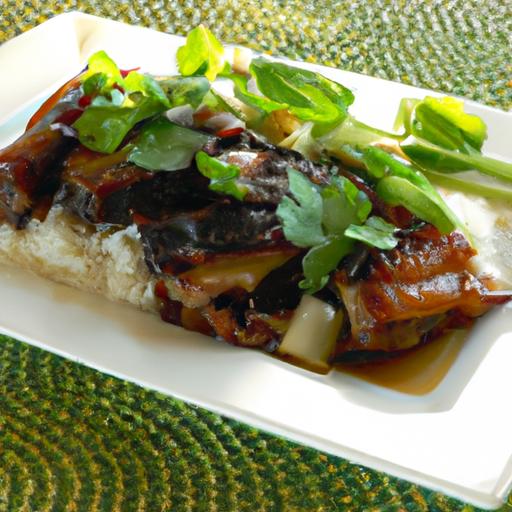

Step into a vibrant world where every bite tells a story, and every ingredient carries centuries of tradition. Savor the Flavors: A Guide to Authentic Asian Recipes invites you on a culinary journey across Asia’s diverse landscapes – from the fragrant spice markets of India to the delicate tea houses of Japan, and the bustling street stalls of Thailand. This guide isn’t just a collection of recipes; it’s an exploration of culture, history, and passion simmering in each dish. Whether you’re a seasoned cook or a curious foodie, prepare to unlock the secrets behind beloved classics and hidden gems alike, bringing the true essence of Asian cuisine right into your kitchen.
Savor the Flavors of authentic Asian cuisine by immersing yourself in the vibrant ingredients and traditional techniques that have been perfected over centuries. from fragrant herbs harvested fresh in Southeast Asia’s tropical climate to robust drying and fermenting methods rooted deep in East Asian kitchens, every element combines to create dishes bursting with genuine taste and memorable texture.
Prep and Cook Time
- Prep Time: 20 minutes
- Cook Time: 30 minutes
- Total Time: 50 minutes
Yield
Serves 4
Difficulty Level
Medium
Ingredients
- 2 cups jasmine rice, rinsed and drained
- 1 lb boneless chicken thighs, cut into bite-sized pieces
- 3 tablespoons soy sauce (preferably dark soy sauce for richness)
- 2 tablespoons oyster sauce
- 1 tablespoon sesame oil
- 1 tablespoon freshly grated ginger
- 4 garlic cloves, minced
- 1 medium carrot, julienned
- 1 cup shiitake mushrooms, sliced thin
- 2 green onions, sliced diagonally
- 1 tablespoon toasted sesame seeds (for garnish)
- 1 teaspoon sugar
- fresh cilantro sprigs (optional, for garnish)
- 1 cup chicken broth
- 2 tablespoons neutral oil (e.g., vegetable or canola)
Instructions
- Rinse and prepare the rice: Rinse the jasmine rice under cold water until the water runs clear. Drain well.
- Sear the chicken: Heat the neutral oil in a heavy-bottomed wok or skillet over medium-high heat .Add the chicken pieces and sauté until golden brown on the edges, about 5 minutes. Remove from the pan and set aside.
- Aromatics first: In the same pan, add the grated ginger and minced garlic. Sauté until fragrant, about 30 seconds, taking care not to burn the garlic.
- Vegetables next: Add the sliced shiitake mushrooms and julienned carrots. Stir-fry until tender, about 4 minutes, stirring frequently.
- Build flavor with sauces: Return the chicken to the pan and pour in the soy sauce, oyster sauce, sesame oil, and sugar. Toss everything to coat evenly, allowing the mixture to simmer for 2 minutes.
- Combine rice and broth: Add the rinsed jasmine rice and chicken broth to the pan. Stir gently to combine. Bring to a boil, then reduce the heat to low and cover the pan with a tight-fitting lid.
- Cook rice to perfection: Let it simmer for 15 minutes without peeking, until the liquid is absorbed and the rice is tender. Turn off the heat and let it sit, covered, for an additional 5 minutes to steam.
- Final touches: Fluff the rice with a fork, gently mixing in the sliced green onions. Garnish with toasted sesame seeds and fresh cilantro if desired.
Chef’s Notes & Tips for Success
- Ingredient swaps: Substitute shiitake mushrooms with oyster or button mushrooms if unavailable. For a vegetarian version, replace chicken broth with vegetable broth and use firm tofu instead of chicken.
- Rice variety matters: For an authentic fragrance and texture, jasmine rice is essential; basmati or short-grain rice will alter the dish’s essence.
- Make-ahead tip: The rice mixture can be prepared up to 4 hours in advance and reheated gently in a pan with a splash of water or broth to refresh the texture.
- Avoid common pitfalls: Ensure the pan is hot before adding chicken to achieve a golden sear, contributing to the layered umami flavor.
Serving Suggestions
Present this dish in a rustic Asian-style bowl to showcase its colorful, vibrant ingredients. Accompanied by crisp cucumber slices and pickled radish on the side to balance the richness. For added texture, serve with a small dish of chili oil or freshly chopped chilies. A light green tea or jasmine tea pairs beautifully, cleansing the palate between bites.

| Nutrient | Per Serving |
|---|---|
| Calories | 420 kcal |
| Protein | 32g |
| Carbohydrates | 45g |
| Fat | 8g |
For more inspiration on authentic flavors, check out our guide to Asian spice blends. To deepen your understanding of traditional Asian fermentation techniques, visit Serious Eats’ fermentation series.
Q&A
Q&A: Savor the flavors – A Guide to Authentic Asian Recipes
Q1: What inspired the creation of “Savor the Flavors: A Guide to Authentic Asian Recipes”?
A1: The inspiration struck from a love of vibrant, diverse culinary traditions across Asia. This guide aims to bring the essence of authentic flavors – from bustling street markets to serene family kitchens – right into your home, encouraging cooks to explore the heart and soul behind each dish.
Q2: What makes a recipe truly “authentic” in the context of Asian cuisine?
A2: Authenticity lies in ingredients, cooking methods, and cultural context. It’s not just about replicating a dish; it’s about honoring traditional techniques, sourcing genuine spices and produce, and understanding the story woven through every bite. Our guide emphasizes these elements to capture the true spirit of each recipe.
Q3: Are the recipes in the guide approachable for home cooks new to Asian cooking?
A3: Absolutely! While preserving authenticity, recipes are crafted with clear instructions and accessible ingredients, ensuring even beginners can confidently recreate complex flavors without feeling overwhelmed. The guide includes helpful tips to substitute hard-to-find items and suggests kitchen hacks inspired by native cooks.
Q4: Which Asian cuisines are featured in “Savor the Flavors”?
A4: The guide spans a rich tapestry of regional fare – from the aromatic curries of India and Thailand, to the delicate dim sum of China, the fiery kimchi of Korea, and the comforting noodle bowls of Vietnam and Japan. Each section delves into the history and cultural importance behind signature dishes.
Q5: How does this guide balance traditional recipes with modern tastes and dietary needs?
A5: While rooted in tradition, the guide embraces contemporary palates and lifestyles by offering variations for different dietary preferences (vegetarian, gluten-free, low-sodium) and suggesting ingredient swaps to enhance nutrition without compromising flavor.
Q6: What cooking techniques are highlighted in the book?
A6: From wok stir-frying and slow simmering broths to mastering the art of rolling dumplings or fermenting pickles, the guide breaks down essential Asian cooking techniques with step-by-step illustrations. This empowers cooks to not only follow recipes but also to gain skills to experiment confidently.
Q7: Can readers expect cultural anecdotes or stories alongside the recipes?
A7: Yes, every recipe is paired with fascinating tidbits, origin stories, and cultural insights that enrich the cooking experience. This narrative approach invites readers not just to prepare food but to connect with the rich heritage and traditions that shape these dishes.
Q8: How can someone new to Asian cooking start exploring these recipes?
A8: Begin with foundational dishes that feature familiar ingredients and techniques, such as a simple Thai green curry or Chinese fried rice. The guide encourages starting small, experimenting gradually, and savoring the discovery process as you build confidence and expand your culinary horizon.
Q9: Does the guide include recommendations for sourcing authentic ingredients?
A9: Definitely! A resource section points to specialty markets, online purveyors, and clever substitutions so cooks can assemble their own authentic pantry. Understanding where and how to find ingredients is key to preserving flavor integrity, and our guide makes this journey seamless.
Q10: What do you hope readers take away after exploring “Savor the Flavors”?
A10: Beyond mastering recipes, we hope readers develop a deeper appreciation for the warmth, diversity, and stories behind Asian cuisines. Ultimately, it’s about celebrating connection – through food, culture, and the joy of sharing authentic meals with loved ones.
To Conclude
As you close this culinary journey through the vibrant world of authentic Asian flavors, remember that each recipe holds a story of heritage, tradition, and the art of balancing bold spices with delicate aromas. Whether you’re mastering the tangy zest of Thai lemongrass, the rich umami of Japanese miso, or the fiery kick of Szechuan peppercorns, you’re not just cooking-you’re connecting with centuries of culture and passion. So gather your ingredients, embrace the techniques, and let your kitchen become a gateway to Asia’s diverse and delicious tapestry. Happy cooking, and may every bite transport you to new, flavorful horizons.