
There’s something undeniably satisfying about sinking your teeth into a perfectly cooked ribeye steak that rich marbling that melts into a juicy, flavorful bite that lingers long after the last forkful. But mastering the art of the perfect ribeye goes beyond just throwing a slab of meat on the grill. It’s about understanding the cut, the techniques, and the little secrets that transform a simple steak into a mouthwatering masterpiece. Whether you’re a novice eager to impress or a seasoned carnivore aiming to refine your skills, this recipe guide will walk you through every step, unlocking the juicy, tender ribeye steak you’ve been dreaming of.
Get ready to elevate your steak game and discover how deliciously rewarding the perfect ribeye can be.
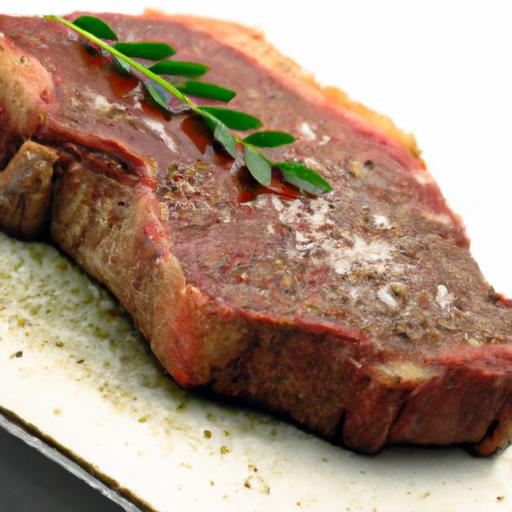
Mastering the Perfect Ribeye Steak begins with selecting the right cut and appreciating the intricate marbling that transforms each bite into a juicy, flavorful delight. The ribeye’s signature marbling-those delicate threads of fat woven through the meat-melt during cooking, enhancing tenderness and creating that coveted buttery richness. When choosing your steak, aim for USDA Prime or Choice grades, where the fat runs evenly and thickly without large pockets. This marbling is the cornerstone of the ribeye’s savory character and juicy texture.
Prep and Cook time
- Planning: 15 minutes
- cooking: 10-12 minutes
- Total Time: 25-27 minutes
Yield
Serves 2 hungry steak lovers
Difficulty Level
Medium – Perfect for home chefs looking to refine their technique
Ingredients
- 2 ribeye steaks, 1 1/2 inches thick, preferably USDA prime
- 2 tsp kosher salt
- 1 1/2 tsp freshly ground black pepper
- 2 tbsp high smoke point oil (grapeseed or refined avocado)
- 3 tbsp unsalted butter
- 4 garlic cloves, gently smashed
- 3 fresh thyme sprigs
- Optional: sea salt flakes for finishing
The Art of Selecting Your Ribeye
Look for a steak where the creamy white marbling creates a lace-like pattern threading through the bright red muscle. This intramuscular fat ensures juiciness and flavor, slowly rendering as you cook. Avoid steaks with large chunks of fat on the edges. A trimmed ribeye allows heat to penetrate evenly and avoids flare-ups when searing.
Preparing Your Ribeye Steak
Before searing, let your ribeye come to room temperature for 30-45 minutes. This simple step promotes even cooking, preventing the common pitfall of a dry exterior and an undercooked interior. Generously season both sides with kosher salt and freshly cracked pepper just before hitting the pan-a salt added too early can draw moisture out prematurely.
Mastering the Searing Technique
Heat a heavy cast-iron skillet until it’s smoking. This intense heat forms a beautiful brown crust that locks in juices and enriches the steak’s flavor with Maillard reaction magic. Add the oil and carefully lay the ribeye away from you to avoid splatters.
Sear without moving for 3-4 minutes until a rich mahogany crust forms. Flip and add butter, garlic, and thyme. As the butter melts, tilt the pan and spoon the aromatic mixture continuously over the top of the steak. This basting saturates the meat with fragrant fat while finishing the cooking gently. For a perfect medium-rare, cook to an internal temperature of 130°F (54°C).
Resting and Serving
After cooking, transfer the steak to a wire rack or cutting board and tent loosely with foil. Resting for 7-10 minutes allows juices to redistribute, ensuring every bite is succulent. Resting is pivotal-it’s the final step to elevate the ribeye experience from good to unforgettable.
Step-by-Step Instructions
- Remove steaks from fridge and let sit for 30-45 minutes at room temperature.
- Season both sides generously with kosher salt and black pepper.
- Heat a cast-iron skillet over high heat until it smokes lightly.
- Add oil and swirl to coat the surface.
- Place steaks in skillet, laying away from you; sear 3-4 minutes without moving.
- flip steaks and promptly add butter, garlic, and thyme.
- Continuously baste steaks by spooning melted butter over them for another 3-4 minutes.
- Use an instant-read thermometer to check for 130°F for medium-rare doneness.
- Remove from the pan and rest the steaks on a wire rack, loosely tented with foil, for 7-10 minutes.
- Slice across the grain, sprinkle with sea salt flakes, and serve.
Tips for Success
- Always use a heavy skillet, preferably cast iron, to hold and distribute heat evenly.
- If you don’t have fresh thyme, substitute with rosemary or sage without altering flavor balance drastically.
- For thicker ribeyes, consider finishing in a preheated 400°F oven for 4-6 minutes after searing.
- Make ahead: Season steaks the night before, uncovered in the refrigerator, for enhanced dry brining and flavor.
- Do not skip resting-it’s essential for juicy results.
Serving Suggestions
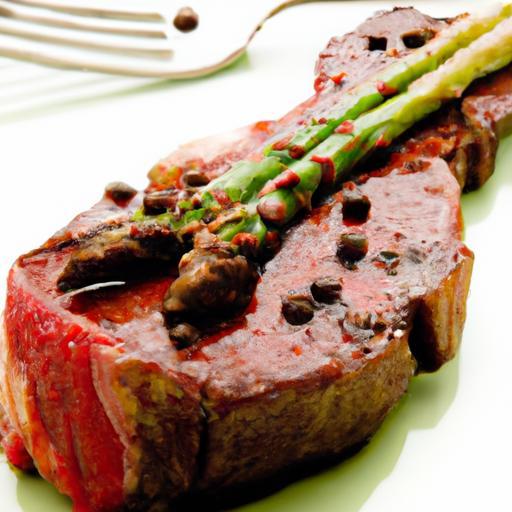
A perfectly cooked ribeye shines with simplicity. Complement with classic sides like creamy garlic mashed potatoes and grilled asparagus for balanced texture and flavor. Garnish with fresh thyme sprigs or a dollop of herb butter for elegance. A robust red wine, like a Cabernet Sauvignon, elevates the experience further. For a casual twist, thin slices of caramelized onions add sweetness and depth.

| nutrient | Amount per Serving |
|---|---|
| Calories | 680 kcal |
| Protein | 55g |
| Carbohydrates | 1g |
| Fat | 50g |
For more about the science of marbling and steak grades, visit the International Dairy Foods Association’s Beef Quality Guide. Elevate your home cooking confidence and embrace the art of perfect ribeye mastery today!
Q&A
Q&A: Master the Perfect Ribeye Steak - A Juicy Recipe Guide
Q1: What makes the ribeye steak a cut above the rest?
A1: The ribeye is the crown jewel of steaks, thanks to its rich marbling-the delicate webbing of fat that melts during cooking, infusing each bite with buttery juiciness and unforgettable flavor. Its tenderness and robust beefy taste make it the ultimate indulgence for steak lovers.
Q2: How do you choose the best ribeye steak at the butcher or grocery store?
A2: Look for a steak with a vibrant, deep red color and generous marbling throughout. The fat should be creamy white, not yellowed. Thicker cuts, about 1.5 to 2 inches, give you more control and a lovelier crust-to-juicy-center ratio.
Q3: Should I let my ribeye steak come to room temperature before cooking? Why?
A3: Absolutely! Allowing your steak to rest outside the fridge for 30-60 minutes helps it cook evenly. A cold center can cause the outsides to overcook while waiting for the middle to reach your desired doneness.
Q4: What’s the secret to achieving that perfect, caramelized crust?
A4: High heat and a dry surface are your best friends. Pat your ribeye dry with paper towels before seasoning. Use a cast-iron skillet or grill screaming hot. The Maillard reaction-the chemical magic that browns your steak-happens best when moisture is minimized and heat is maximized.
Q5: How should I season my ribeye for maximum flavor?
A5: Sometimes simplicity wins. Generous kosher salt and freshly cracked black pepper complement the steak’s natural flavor. For a twist, add garlic powder, smoked paprika, or fresh herbs like rosemary. Season just before cooking to avoid drawing out moisture.
Q6: What’s the ideal cooking method for a ribeye?
A6: Pan-searing followed by oven roasting is a champion technique. Start with a fiery hot skillet to form a crust, then finish in a 400°F oven to reach your perfect doneness. Alternatively, grilling over charcoal imbues it with smoky character.
Q7: How do I know when my ribeye is cooked just right?
A7: Use a meat thermometer-the most reliable guide. Aim for 125°F for rare, 135°F for medium-rare, and 145°F for medium. Remember, the steak will continue to cook slightly after resting, so pull it off the heat a few degrees below your target temperature.
Q8: What’s the importance of resting the steak after cooking?
A8: Resting, about 5-10 minutes, lets the juices redistribute inside the steak instead of spilling out when sliced. The result? A tender, juicy bite in every mouthful rather than a dry dinner.
Q9: Any tips for finishing touches that elevate the ribeye experience?
A9: Melt a pat of herb butter over the steak right off the heat for an extra layer of richness. Serve alongside classic sides like garlicky mashed potatoes, grilled asparagus, or a fresh chimichurri sauce to balance the savory intensity.
Q10: Can I reheat leftover ribeye without losing its magic?
A10: Yes! Reheat gently in a low oven (250°F) or on the stovetop with a splash of beef broth under foil to keep it moist. Avoid the microwave, which can toughen the meat. Finish with a quick sear to refresh the crust.
Mastering the ribeye isn’t just about cooking-it’s an art of balancing heat, timing, and seasoning to unlock the juicy perfection hidden within each glorious cut. Ready to fire up the pan? Your perfect steak awaits!
Concluding Remarks
With the sizzle of a perfectly seared ribeye still echoing in your kitchen, you’ve now unlocked the secrets to steak mastery. Whether you prefer it rare and tender or well-done with a rich, caramelized crust, this guide has equipped you with the know-how to bring out the juiciest, most flavorful results every time. Remember, great steak is as much about patience and precision as it is about quality ingredients. So, fire up your grill or heat your skillet, embrace the art of seasoning and timing, and turn your next ribeye into a mouthwatering masterpiece worthy of any steakhouse. Your journey to steak perfection starts here – bon appétit!