

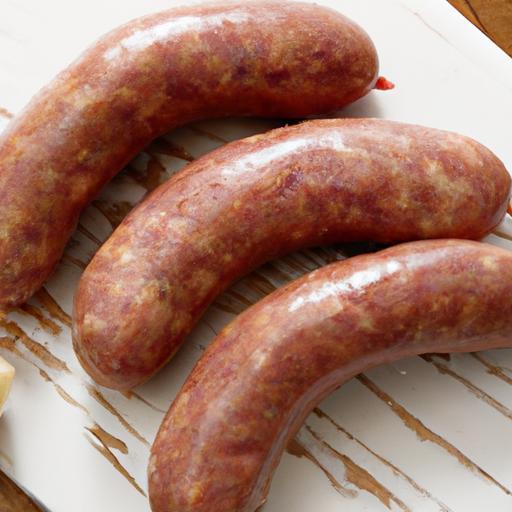
There’s an art to crafting the perfect sausage – a harmonious blend of flavors, textures, and traditions that transforms simple ingredients into savory treasures. Whether you’re a seasoned charcutier or a curious home cook, this guide will take you on a flavorful journey through the secrets of sausage making. From selecting the ideal cuts of meat to mastering the delicate balance of spices and casings, you’ll discover how to create sausages that burst with character in every bite. Prepare to roll up your sleeves and unlock the timeless craft behind one of the world’s most beloved comfort foods.
Crafting the perfect sausage begins with the careful selection of ingredients and mastering the precise techniques that bring balanced flavor, texture, and aroma to every bite. This culinary journey transforms humble cuts of meat into a delicious and aromatic delight that can be tailored to any taste, from spicy chorizo to delicate breakfast links.
Prep and cook Time
- Preparation: 45 minutes
- Cooking: 20 minutes
- Total time: 1 hour 5 minutes
Yield
- Approximately 8 sausages (about 1.5 lbs total)
Difficulty Level
- Medium
Ingredients
- 2 lbs pork shoulder, coarsely chopped and well-chilled
- 0.5 lb pork fatback, chilled and cubed
- 1 tablespoon kosher salt
- 2 teaspoons black pepper, freshly ground
- 1 teaspoon smoked paprika
- 1 teaspoon fennel seeds, lightly toasted
- 4 cloves garlic, finely minced
- 0.5 cup ice-cold water
- 2 meters of natural hog casings, rinsed and soaked
- 1 tablespoon red wine vinegar
Instructions
- Prepare the meat and fat: Place pork shoulder and fatback in the freezer for 30 minutes to ensure they are firm for grinding. Cold meat grinds more cleanly and preserves texture.
- Grind the meat: Using a coarse grinding plate on your meat grinder, grind the chilled pork shoulder and fatback evenly. Avoid over-processing, as a coarse texture enhances flavor and mouthfeel.
- Toast and grind spices: Lightly toast fennel seeds in a dry skillet for 2 minutes or until fragrant. Cool, then grind finely to release their aromatic oils.
- Mix seasoning: In a large bowl, combine the ground meat with kosher salt, black pepper, smoked paprika, toasted fennel, garlic, and red wine vinegar. Pour in ice-cold water gradually and mix by hand or stand mixer until the mixture becomes sticky and this ensures the sausage binds properly.
- Prepare casings: Rinse the natural hog casings thoroughly under cold water to remove excess salt. Soak them in warm water for 30 minutes, then flush water through them to check for holes. Keep casings moist until ready to stuff.
- Stuff the sausages: Fit the sausage stuffer with the appropriate nozzle and carefully thread the casing onto it. Slowly fill the casings with the sausage mixture, being careful to avoid air pockets. Twist sausages into your preferred links, about 4-5 inches long.
- Rest the sausages: Set the formed sausages on trays lined with parchment paper. Allow them to rest in the refrigerator for at least 2 hours to help flavors meld and casing to dry slightly for better cooking.
- Cook to perfection: Pan-fry sausages over medium heat, turning gently so they cook evenly without bursting, approximately 12-15 minutes. alternatively, grill over indirect heat until internal temperature reaches 160°F (71°C). Avoid high direct flames-slow cooking enhances the sausages’ natural juiciness and texture.
Tips for Success
- Cold is key: Keep both meat and equipment cold; warmth can cause fat to smear, resulting in greasy, dense sausage.
- Balance fat content: Aim for around 20-30% fat in your mix to ensure juiciness without greasiness.
- Test your seasoning: Fry a small patty of the mixture before stuffing to adjust salt and spice levels according to your taste.
- Air bubbles: Gently tap sausages or prick small holes with a needle to release trapped air and prevent bursting during cooking.
- Make ahead: Sausages can be frozen uncooked in individual portions for up to 3 months; thaw overnight in the fridge before cooking.
Serving Suggestions
Present your handmade sausages hot with rustic mustard, crusty artisan bread, or nestled atop a bed of sautéed onions and peppers. For a fresh contrast, garnish with chopped parsley and a squeeze of lemon. Complement this savory entree with creamy polenta, roasted root vegetables, or a crisp, seasonal salad. A side of sweet apple chutney or tangy sauerkraut brings a delightful balance to the rich, spiced flavors.

| Nutrient | Per Serving (1 sausage) |
|---|---|
| Calories | 250 kcal |
| Protein | 18 g |
| Carbohydrates | 1 g |
| Fat | 20 g |
For more inspiration on seasoning blends and sausage-making techniques, check out our detailed Ultimate Guide to Sausage seasonings. To deepen your understanding of meat safety and selection, the USDA’s Food Safety and Inspection Service provides excellent authoritative resources.
Q&A
Q: What makes crafting the perfect sausage such an art?
A: Sausage-making is a harmonious blend of science and creativity. It’s about balancing flavors, textures, and aromas while mastering techniques like grinding, seasoning, and casing. Each step offers a chance to infuse personality and passion into every bite.
Q: What are the essential ingredients for a basic sausage?
A: At its core, sausage needs quality meat (usually pork, beef, or a blend), fat for juiciness, salt for seasoning and preservation, and spices or herbs to elevate the flavor. The magic lies in the proportions and the choice of complementary seasonings.
Q: How vital is fat content in sausage crafting?
A: Fat is the lifeblood of a succulent sausage. Typically, 20-30% fat ensures moisture, tenderness, and flavor richness. Too little fat yields a dry texture, while too much can cause greasiness. Finding the right balance is essential.
Q: What techniques can enhance the texture of homemade sausages?
A: Grinding meat to the ideal coarseness is crucial-too fine can be mushy, too coarse can feel rough. Mixing thoroughly allows the proteins to bind, giving a firm, cohesive bite. Resting the mixture before stuffing also helps flavors meld and textures settle.
Q: Are natural casings better than synthetic ones?
A: Natural casings, usually made from cleaned animal intestines, offer a tender snap and traditional appeal, allowing smoke and flavors to penetrate beautifully. Synthetic casings are more uniform and convenient but might lack that authentic bite that sausage lovers cherish.
Q: How can one tailor sausage flavors to personal taste?
A: Experimenting with spice blends, herbs, and add-ins like garlic, wine, or cheese lets you craft signature sausages. Whether smoky, spicy, herby, or sweet, adjusting seasoning ratios and trying new ingredients transforms simple meat into culinary masterpieces.
Q: What safety tips should beginners keep in mind when making sausages at home?
A: Hygiene is paramount-keep meat chilled, sanitize equipment, and avoid cross-contamination. Use fresh ingredients and cure or cook sausages promptly. If smoking or drying, follow proper temperature and timing guidelines to ensure both flavor and safety.
Q: Can crafting sausages be adapted for dietary preferences like low-fat or vegetarian?
A: Absolutely! For low-fat options, lean meats combined with binders like vegetables or grains maintain texture without excess fat. Vegetarian or vegan sausages rely on plant proteins like beans, tofu, or seitan, seasoned boldly and bound carefully to mimic the savory experience.
Q: What’s the best way to enjoy homemade sausages once crafted?
A: Fresh sausages shine grilled, pan-fried, or simmered, pairing wonderfully with rustic breads, tangy mustards, and vibrant sides. Alternatively, smoked or cured varieties lend depth to sauces, stews, or charcuterie spreads, inviting endless culinary adventures.
Q: Where should a novice sausage maker start their journey?
A: Begin with a simple recipe and quality ingredients, mastering grinding and seasoning basics before experimenting. Embrace patience-the first batch is a lesson, the second a refinement, and each subsequent sausage a delicious step closer to perfection.
Final Thoughts
As you wrap up your journey through the art of sausage making, remember that crafting the perfect link is both a science and a party of flavors. From selecting quality ingredients to mastering the delicate balance of spices, each step invites you to infuse your own creativity and taste. Whether you prefer a classic bratwurst or an adventurous chorizo, this savory craft promises a satisfying reward, one bite at a time. So, roll up your sleeves, sharpen your knives, and embrace the gratifying challenge of turning humble ingredients into homemade sausage masterpieces. Your palate will thank you.