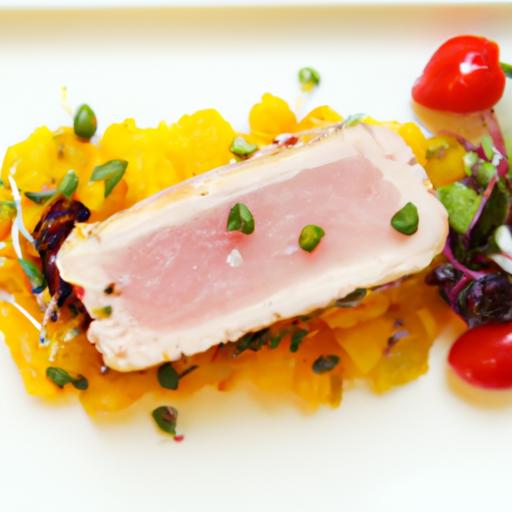

From the depths of the ocean to the warmth of your kitchen, tuna has long been a beloved staple that brings both flavor and nutrition to the table. In “Tuna Dishes Unveiled: Savory Recipes from Sea to Table,” we dive into the rich culinary world of this versatile fish, exploring recipes that celebrate its meaty texture and bold taste. Whether you’re a seasoned chef or a home cook eager to experiment, join us as we uncover dishes that transform simple tuna into remarkable meals, blending tradition and innovation in every bite. Prepare to embark on a savory journey that honors tuna’s journey from sea to plate.
Tuna dishes unveiled: savory recipes from sea to table celebrate the vibrant textures and bold flavors of this beloved fish. Whether you’re savoring sashimi-grade bluefin or the firm, meaty yellowfin, mastering tuna in your kitchen opens a world of culinary possibilities. Tuna’s versatility-from gentle searing to briny ceviche-makes it a global favorite, inspiring chefs and home cooks alike to create dishes that balance tradition with a modern twist.
prep and Cook Time
Preparation: 15 minutes
Cooking: 10 minutes
Total: 25 minutes
Yield
Serves 4
Difficulty Level
Medium
Ingredients
- 1 lb sashimi-grade tuna loin, cut into 1-inch cubes
- 2 tbsp soy sauce (low sodium)
- 1 tbsp toasted sesame oil
- 1 tbsp freshly grated ginger
- 2 scallions, thinly sliced
- 1 small avocado, diced
- 1 tsp lime zest plus 1 tbsp fresh lime juice
- 1 tsp honey
- 1 tbsp finely chopped fresh cilantro
- 2 tsp black sesame seeds
- Salt and freshly ground black pepper, to taste
- Optional: 1 small jalapeño, thinly sliced for heat
Instructions
- Prepare the marinade: In a medium bowl, whisk together soy sauce, sesame oil, grated ginger, lime zest, lime juice, and honey until well combined.
- Marinate the tuna: Gently toss the tuna cubes with the marinade. Cover and refrigerate for 10 minutes to allow the flavors to meld without “cooking” the tuna in citrus.
- Add fresh ingredients: Remove tuna from fridge and fold in diced avocado, scallions, cilantro, and jalapeño if using. Season with salt and pepper to taste.
- Plate with flair: Transfer the mixture to a chilled serving bowl or mold into neat portions using a ring mold for a restaurant-style presentation.
- Garnish and finish: Sprinkle black sesame seeds over the top for texture and color contrast.A small drizzle of extra sesame oil enhances the aroma.
- Serve promptly: This dish shines when served immediately, preserving the tuna’s freshness and the vibrant zing of citrus.
Chef’s Notes
- Choosing your tuna: For the best flavor and safety, select sashimi-grade tuna with a deep ruby color and firm texture. Varieties like yellowfin or bigeye offer excellent taste and tenderness.
- Substitutions: If tuna is unavailable, try this recipe with firm salmon or swordfish chunks for a similar mouthfeel and rich umami.
- Make-ahead tips: prepare marinade and chop avocado separately; combine just before serving to keep avocado from browning.
- Flavor enhancements: Add a splash of toasted rice vinegar for brightness or a hint of wasabi for heat contrast.
- Common pitfalls: Avoid over-marinating, as citrus and soy can alter texture if tuna sits too long.
Serving Suggestions
Serve this tuna delight atop a bed of fluffy jasmine rice or crisp mixed greens to balance the rich, fresh fish. Garnish with microgreens, thin cucumber ribbons, or pickled ginger to add layers of color and tang. Pair with chilled sake or a crisp Sauvignon Blanc that complements the clean, briny notes.

| Nutrient | Per Serving |
|---|---|
| Calories | 280 kcal |
| Protein | 34 g |
| Carbohydrates | 5 g |
| Fat | 12 g |
For those looking to deepen their expertise, explore our guide on seafood cooking techniques and learn how to tailor your skills to different fish varieties. Additional insight on lasting tuna sourcing and health benefits can be found at the Marine Stewardship Council.
Q&A
Q&A: Tuna Dishes Unveiled: Savory Recipes from Sea to Table
Q1: Why is tuna such a popular choice in global cuisine?
A1: Tuna’s popularity stems from its rich flavor, firm texture, and versatility. Whether raw, grilled, seared, or canned, tuna adapts beautifully to diverse culinary traditions-from Japanese sushi bars to Mediterranean grills. Its high protein content and omega-3 fatty acids also make it a nutritious favorite.
Q2: What are the key types of tuna used in cooking?
A2: The most commonly used varieties include Bluefin, Yellowfin (also called Ahi), and Albacore tuna. Bluefin is prized for its buttery texture and is often reserved for sashimi or sushi. Yellowfin offers a leaner option with a mild flavor, perfect for grilling or searing. Albacore is typically found canned, but also shines fresh in salads or sandwiches.
Q3: Can you share a classic tuna recipe that exemplifies “sea to table”?
A3: Certainly! One iconic dish is the Tuna Nicoise Salad vibrant French creation combining seared tuna, crisp green beans, hard-boiled eggs, olives, and tender potatoes, all dressed in a tangy vinaigrette. It showcases fresh, simple ingredients coming together in perfect harmony, reflecting the freshness of the sea directly on your plate.
Q4: How do cooking methods affect the flavor and texture of tuna?
A4: Tuna is best enjoyed when it’s treated with care. quick searing locks in moisture and creates a contrast between the crunchy exterior and tender, rare center. Grilling imparts smoky notes, while slow cooking can diminish its flavor and cause dryness. Raw preparations like sushi or poke highlight the fish’s natural umami and silky texture.
Q5: What innovative tuna dishes are trending in contemporary kitchens?
A5: The culinary world is experimenting boldly with tuna-think tiger-eye tuna tartares with exotic spices, tuna poke bowls layered with fresh tropical fruits, or even tuna “steaks” marinated in miso and grilled to perfection. Plant-based cooks are also innovating tuna alternatives to echo its texture and taste, highlighting sustainability concerns.
Q6: Any tips for selecting the freshest tuna at the market?
A6: Fresh tuna should have a vibrant red or pinkish color, firm flesh that springs back when pressed, and a clean, ocean-like smell, not fishy or sour. Buying from reputable fishmongers who source sustainably ensures the best quality and taste.
Q7: How can home cooks balance flavor while preserving tuna’s natural taste?
A7: The secret is simplicity. Use light seasonings like sea salt, cracked pepper, a splash of citrus, or a drizzle of olive oil. Overpowering spices or heavy sauces can mask tuna’s delicate umami. Fresh herbs like basil, dill, or cilantro can enhance without overwhelming.
Dive into the world of tuna with respect and creativity-each bite is a celebration of the ocean’s bounty transformed into savory art. From classic recipes to trendy twists, “Tuna Dishes Unveiled” invites you to set sail on an unforgettable culinary voyage.
In Summary
From the ocean’s depths to the warmth of your kitchen, tuna has long been a versatile treasure waiting to be celebrated. Whether seared to perfection, tossed in a vibrant salad, or simmered in rich sauces, each dish tells a story of flavor, culture, and tradition. As you experiment with these savory recipes, may you uncover new favorites that bring the sea’s bounty to your table with every bite. Embrace the journey of tuna from sea to plate-and let your culinary creativity sail into flavorful new waters.