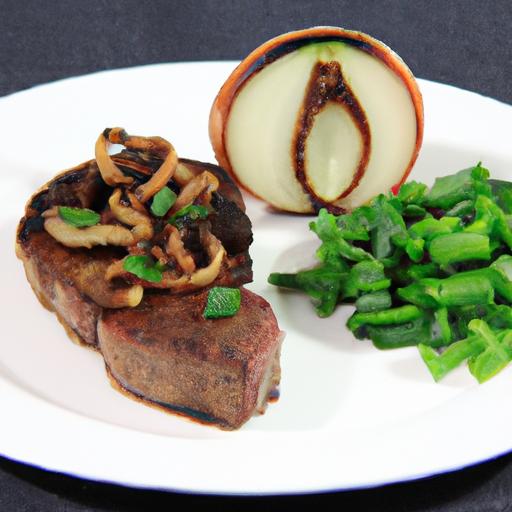

There’s something undeniably captivating about beef tenderloin, the luscious, melt-in-your-mouth cut that promises a dining experience both elegant and indulgent. Whether you’re a seasoned chef or a home cook eager to elevate your culinary repertoire, mastering the art of tenderloin planning is a journey worth embarking upon. In this article, we invite you to savor perfection through a curated collection of top beef tenderloin recipes that celebrate this prized cut’s rich flavor and tender texture. From classic roasts to inventive twists, discover the secrets and techniques that will transform your next meal into a gourmet masterpiece. Ready to impress your palate and your guests? Let’s dive into the world of beef tenderloin like never before.
Savor perfection starts with choosing the finest cuts of beef tenderloin, setting the tone for an unforgettable dish that melts effortlessly on the palate. Whether celebrating a special occasion or indulging a craving, mastering the art of selecting, seasoning, and cooking this prime cut will transform your culinary repertoire and leave your guests raving.
Prep and Cook Time
- Preparation: 15 minutes
- Marinating Time: 1 to 3 hours (optional but recommended)
- Cooking Time: 25 to 35 minutes
- Resting Time: 10 minutes
Yield
- Serves 4 to 6
Difficulty Level
- medium
Ingredients
- 2 to 2.5 lbs beef tenderloin, trimmed and tied
- 3 tablespoons extra-virgin olive oil
- 4 cloves garlic, finely minced
- 2 teaspoons fresh rosemary, chopped
- 1 teaspoon fresh thyme, chopped
- 1 tablespoon Dijon mustard
- 1 teaspoon smoked paprika
- 1 teaspoon sea salt
- ½ teaspoon freshly cracked black pepper
- 2 tablespoons soy sauce (optional, for umami depth)
- 1 tablespoon balsamic vinegar (for tenderizing and subtle acidity)
Step-by-Step Techniques for Perfectly Cooked Beef Tenderloin
- Select the Finest Cut: Opt for a center-cut beef tenderloin, known for its uniform shape and tenderness. Look for vibrant color, fine marbling, and firmness to the touch for optimum quality.
- Prepare the Marinade: In a small bowl, combine olive oil, garlic, rosemary, thyme, Dijon mustard, smoked paprika, sea salt, black pepper, soy sauce, and balsamic vinegar. Whisk until thoroughly blended.
- Marinate the Beef: Place the beef tenderloin in a shallow dish or zip-top bag and coat evenly with the marinade. Refrigerate for at least 1 hour to allow flavors to penetrate deeply; for best results, marinate 3 hours.
- Bring to Room Temperature: Before cooking, remove the beef from the fridge and let it rest for 30 minutes to ensure even cooking throughout.
- Sear the Beef: Preheat a heavy skillet or cast-iron pan over medium-high heat. Add a teaspoon of olive oil. Sear the tenderloin on all sides, approximately 2-3 minutes per side, until a rich, golden-brown crust forms.
- Roast to Perfection: Transfer the seared beef to a preheated oven at 400°F (200°C). Roast until an instant-read thermometer inserted in the thickest part reads 130°F for medium-rare (about 20-25 minutes).
- Rest before Slicing: Remove the beef from the oven and tent loosely with foil. Rest for 10 minutes to allow juices to redistribute, ensuring fork-tender results.
- Slice and Serve: slice into ½-inch thick medallions, revealing a buttery pink center that promises melt-in-your-mouth tenderness.
Tips for Success
- Marinating Matters: Although the beef tenderloin is naturally tender, marinades add layers of flavor and enhance juiciness. If short on time, a simple rub of salt, pepper, and herbs is enough to bring out its best.
- Temperature Control: Use a quality meat thermometer to avoid overcooking beef tenderloin has very little fat and can dry out quickly.
- Rest is Key: Never skip the resting step; it locks in moisture, making every bite sublime.
- Option cooking Methods: For a smoky flavor, try grilling over medium-high heat or sous vide for ultra-precise doneness, then sear to finish.
- Make-Ahead Tip: Marinate and sear ahead of time, then refrigerate. Roast just before serving for a stress-free meal.
Creative Serving Suggestions to Elevate Your Dining Experience
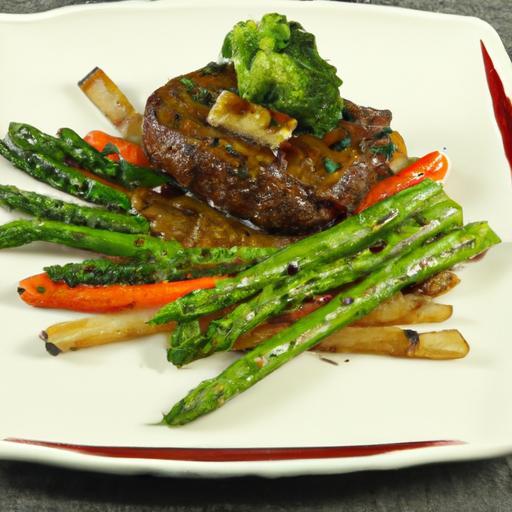
Visually stunning, this beef tenderloin pairs exquisitely with vibrant sides and finishing touches, turning a simple meal into a feast for the senses. Consider serving atop a creamy parsnip purée or alongside roasted rainbow baby carrots glazed with honey and thyme.
Garnish with fresh microgreens or a sprinkle of flaky sea salt to amplify texture and flavor contrasts. For a luxurious sauce, drizzle with a classic red wine reduction or a tangy chimichurri to introduce radiant, herbal notes.
Complete the plate with a glass of robust red wine, such as Cabernet Sauvignon or Malbec, to complement the rich, buttery meat and create a harmonious dining experience that lingers long after the last bite.
| Nutritional Facts | Per Serving |
|---|---|
| Calories | 380 kcal |
| Protein | 45 g |
| Carbohydrates | 3 g |
| Fat | 22 g |

for further inspiration on elevating your beef tenderloin dishes, explore our detailed Ultimate Guide to Meat Marinades. Additionally, for scientific insight on meat tenderness and marinades, visit the Institute of Food Science.
Q&A
Q&A: Savor Perfection – Top Beef Tenderloin Recipes to Try Today
Q1: What makes beef tenderloin the star cut of any meal?
A1: Beef tenderloin is prized for its melt-in-your-mouth tenderness and subtle, buttery flavor. It’s the most tender cut on the cow, thanks to minimal connective tissue, making every bite a luxurious experience. When cooked right, it transforms any meal into a feast fit for royalty.
Q2: How do I choose the best beef tenderloin for my recipe?
A2: Look for a tenderloin with a vibrant, deep red color and fine marbling - those streaks of fat add juicy flavor. A well-trimmed piece should be firm yet soft to the touch. If possible, go for USDA Prime or Choice for top quality. Freshness and proper aging (usually 21 days) also play a role in beef’s flavor and tenderness.
Q3: What’s a foolproof way to cook beef tenderloin at home?
A3: A classic method is searing the tenderloin in a hot pan to develop a caramelized crust, then finishing it in the oven to your desired doneness. Using a meat thermometer helps nail the perfect temperature – aim for 130°F (54°C) for medium-rare. Rest the meat 10-15 minutes before slicing to lock in those precious juices.
Q4: Can you recommend a top recipe for a show-stopping beef tenderloin centerpiece?
A4: Absolutely! try the traditional Beef Wellington-tenderloin wrapped in mushroom duxelles and prosciutto, all encased in buttery puff pastry. Its extraordinary presentation and kaleidoscope of textures make it a dinner party masterpiece. Perfectly paired with a rich red wine sauce, it’s guaranteed to wow your guests.
Q5: What simple twists can elevate everyday beef tenderloin dishes?
A5: Herbs and compound butters work wonders-think garlic-thyme butter melting over slices hot off the grill. Marinades with soy sauce, balsamic, or Worcestershire add savory depth. For a smoky allure, try wood-fired grilling or finishing with a charred crust. Even a sprinkle of flaky sea salt right before serving brings out the beef’s natural magic.
Q6: How can I cater beef tenderloin recipes to different cooking skill levels?
A6: For beginners, a straightforward pan-seared filet mignon with a speedy pan sauce is approachable but elegant. Intermediate cooks can experiment with stuffed tenderloin roulades or crusted with herbs and nuts. Advanced culinary explorers might tackle Beef Wellington or sous vide preparations for precise control and decadent results.
Q7: What side dishes best complement beef tenderloin?
A7: Luxurious sides like creamy mashed potatoes, roasted garlic asparagus, or a bright arugula salad create perfect harmony. Rich mushroom risotto or glazed baby carrots add indulgent layers, while simple, lightly dressed greens keep the spotlight on the tenderloin’s star quality.
Q8: How crucial is resting the beef tenderloin after cooking?
A8: Resting is crucial-it lets the muscle fibers relax , and the redistributed juices settle, resulting in a moist, tender steak rather than one that loses flavor on the plate. Skipping this step can turn a masterpiece into a dry disappointment.
Q9: Is beef tenderloin suitable for meal prepping or leftovers?
A9: While best enjoyed fresh and hot, beef tenderloin makes elegant leftovers when sliced thinly for sandwiches or tossed into salads. Just be mindful to reheat gently to avoid drying out the delicate meat.
Q10: Where can I find inspiration for more beef tenderloin recipes?
A10: Culinary blogs, cooking shows, and gourmet cookbooks are treasure troves. Don’t hesitate to experiment with global flavors-think Korean barbecue marinades, French herb crusts, or spicy chimichurri sauces. The tenderloin’s versatility invites endless creativity.
Savoring perfect beef tenderloin starts with understanding its unique qualities and cooking it with care. With these recipes and tips, every bite promises an unforgettable festivity of flavor and texture. Happy cooking!
Final thoughts
As you close this chapter on savoring perfection, remember that the humble beef tenderloin is more than just a cut-it’s an invitation to elevate your culinary craft. Whether you prefer it roasted to a tender medium-rare, seared with aromatic herbs, or wrapped in decadent layers of flavor, these recipes promise a dining experience that’s both effortless and extraordinary. So, fire up your stove, gather your favorite ingredients, and let the rich, buttery tenderness of beef tenderloin transform your next meal into a celebration of taste and technique.After all, perfection is just a recipe away.