
There’s something undeniably luxurious about sinking your teeth into a perfectly cooked beef tenderloin-a cut so tender and flavorful it practically melts on the tongue. Yet, achieving that ideal balance of a succulent, juicy interior and a beautifully seared crust can feel like an elusive culinary triumph. Whether you’re preparing for a special occasion or simply craving to elevate your home-cooked meals, mastering the art of beef tenderloin is a rewarding journey. In this step-by-step recipe guide, we’ll unravel the secrets to perfecting this prized cut, from selecting the best piece at the butcher’s counter to nailing precise seasoning and cooking techniques. Get ready to transform an already remarkable cut of beef into an unforgettable centerpiece worthy of any table.
Perfecting Beef Tenderloin: A Step-by-Step Recipe Guide
Perfecting beef tenderloin starts with selecting the right cut and preparing it thoughtfully to unlock its full potential. This exquisite centerpiece of any meal is prized for its buttery texture and subtle, rich flavor that can elevate intimate dinners or festive gatherings alike.
Prep and Cook Time
- Readiness Time: 20 minutes
- Marinating Time: 2 hours (optional but recommended)
- Cook Time: 25-30 minutes
- Total Time: Approximately 3 hours
Yield
Serves 4 to 6 elegantly, with leftovers perfect for next-day indulgence.
Difficulty Level
Medium: Perfect for home cooks ready to advance their skills and impress guests with restaurant-quality results.
Ingredients
- 1 (2-2.5 lb) beef tenderloin, trimmed and tied
- 2 tbsp olive oil
- 4 cloves garlic, smashed
- 2 sprigs fresh rosemary
- 2 sprigs fresh thyme
- 1 tbsp kosher salt
- 1 tsp freshly cracked black pepper
- 1/4 cup soy sauce (for marinade)
- 2 tbsp Worcestershire sauce
- 1 tbsp dijon mustard
- 2 tbsp brown sugar
- 1/4 cup red wine (optional, for marinade)
Instructions
- Selecting and Preparing: Start by choosing a center-cut beef tenderloin, about 2 to 2.5 pounds, known for its consistent thickness and tenderness. Pat it dry with paper towels to ensure a crisp sear later. If your butcher hasn’t tied the tenderloin, gently tie it with kitchen twine every 1.5 inches to promote even cooking and a lovely shape.
- Mastering the Seasoning and Marinating: In a small bowl, whisk together soy sauce, Worcestershire sauce, Dijon mustard, brown sugar, and red wine to create a savory-sweet marinade. Place the tenderloin in a shallow dish or large sealable bag and pour the marinade over it. Add smashed garlic cloves, rosemary, and thyme sprigs for aromatic depth. Seal and refrigerate for at least 2 hours – this step tenderizes and infuses the beef deeply.
- Prepping to sear: remove the tenderloin from the fridge 30 minutes before cooking to let it come to room temperature. Preheat your oven to 400°F (200°C). Heat a heavy skillet over medium-high heat with olive oil until it shimmers. Pat the beef dry, reserving the marinade.
- Achieving the Perfect Sear: Carefully place the tenderloin in the hot skillet. Sear each side, including the ends, for 2-3 minutes until a rich mahogany crust forms. This caramelized exterior locks in juices and amplifies flavor – resist the urge to move it prematurely!
- Oven Finish: Transfer the skillet to your preheated oven (or move the meat to an oven-safe pan if your skillet isn’t ovenproof).Roast for 20-25 minutes until an internal temperature of 130°F (54°C) for medium-rare is reached. Use a reliable meat thermometer for precision. Halfway through, baste with reserved marinade to intensify the coating.
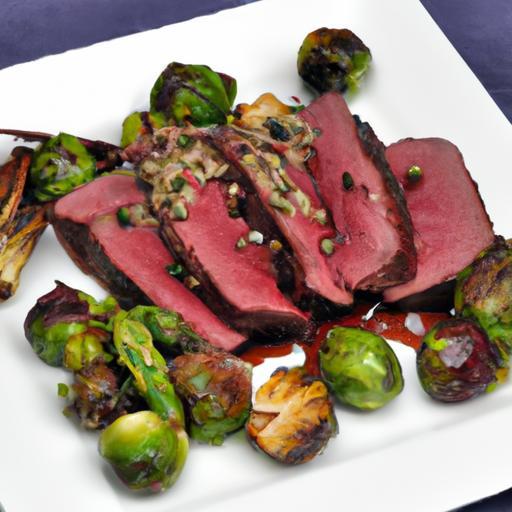
- resting and Carving: Once out of the oven, tent the tenderloin loosely with foil and let it rest for 15-20 minutes. This relaxing phase redistributes the juices, ensuring every slice is tender and moist. Carve into thick medallions with a sharp knife, slicing against the grain for melt-in-your-mouth results.
Tips for Success
- Choosing Your Cut: Look for a tenderloin with consistent thickness and a bright, deep-red color without loose connective tissue.
- Marinating Magic: Though tenderloin is naturally tender, the marinade adds complex umami notes and a gentle sweetness that enhances every bite.
- Don’t Skip the Rest: Resting is crucial; slicing too soon flushes out the flavorful juices that define premium beef tenderloin.
- Thermometer Is Key: Use an instant-read thermometer to avoid overcooking. Aim for 130°F for a perfect medium-rare finish.
- Make Ahead: Marinate the beef up to 24 hours in advance for even deeper flavor. Reheat gently if serving later.
Serving Suggestions
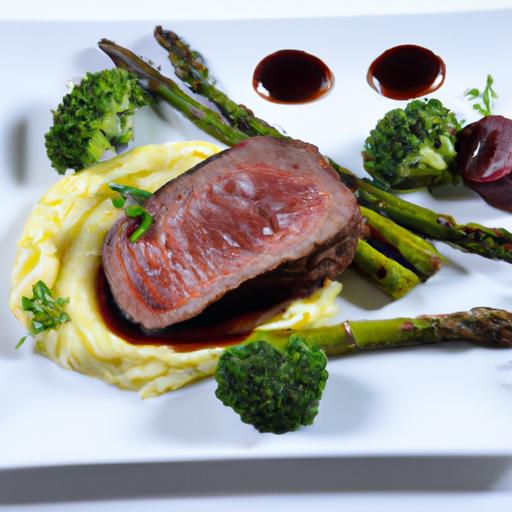
Present your perfectly cooked beef tenderloin on a warmed platter, garnished with fresh rosemary sprigs and a drizzle of pan juices or reduced balsamic glaze. Pair with creamy mashed potatoes, roasted seasonal vegetables, or a vibrant arugula salad with shaved Parmesan for a complete, balanced plate. A glass of full-bodied red wine like Cabernet Sauvignon or Malbec beautifully complements the dish’s rich profile.

| Nutrient | Per Serving (approx.) |
|---|---|
| Calories | 450 kcal |
| Protein | 55 g |
| Carbohydrates | 6 g |
| Fat | 22 g |
For those eager to explore more classic beef recipes, check out our Classic Beef Recipes Collection. To deepen your knowledge about beef science and cooking methods,visit the USDA Meat Cuts Guide.
Q&A
Q&A: Perfecting Beef Tenderloin – A Step-by-Step Recipe Guide
Q: What makes beef tenderloin the ultimate choice for a special meal?
A: Beef tenderloin is the crown jewel of cuts-tender, lean, and buttery soft. Its fine-grained texture practically melts in your mouth, making it the perfect centerpiece for celebrations or intimate dinners where impressing guests is key.
Q: How should I select the perfect beef tenderloin at the market?
A: Look for a tenderloin that has a consistent, bright red color with a fine layer of white fat marbling-this fat is flavor gold. The meat should be firm to the touch but springy, without any discoloration or off-odors. For the best experience, ask your butcher for a trimmed, “chain” free piece to save prep time.
Q: What’s the secret to seasoning beef tenderloin for maximum flavor?
A: Simplicity is your friend. A generous season of kosher salt and freshly cracked black pepper forms the essential flavor base. From there, tailor your herbs-rosemary, thyme, garlic, and a touch of olive oil create a fragrant, savory crust that enhances the meat’s natural elegance without overpowering it.
Q: Should I sear or roast first? Which method ensures juicy results?
A: Start with a high-heat sear in a cast-iron skillet to lock in those savory juices and develop a beautiful crust. Then, transfer the tenderloin to a preheated oven to finish roasting evenly. This two-step approach creates a balance between a caramelized exterior and a tender, juicy core.
Q: How can I tell when the beef tenderloin is perfectly cooked?
A: Use a reliable meat thermometer! For rare, aim for 120-125°F; medium-rare, 130-135°F; and medium, 140-145°F. Remember, the meat will continue to cook slightly as it rests-so pull it from the oven a few degrees early to avoid overcooking.
Q: Why is resting the meat so important after cooking?
A: Resting is the unsung hero of tenderloin perfection. Letting the beef rest for 10-15 minutes allows the juices to redistribute evenly throughout the cut. Slice too soon, and those precious juices will flood your cutting board-not your plate!
Q: What sides and sauces pair best with beef tenderloin?
A: Classic accompaniments like creamy mashed potatoes, roasted root vegetables, or a crisp green salad complement the rich meat beautifully. In terms of sauces, a red wine reduction or a creamy horseradish sauce can add just the right touch of sophistication and zest.
Q: Can I prepare beef tenderloin in advance?
A: You can prep the tenderloin by seasoning it and keeping it refrigerated for up to 24 hours before cooking. This actually deepens the flavor. However, cook it fresh for the best texture and juiciness. Leftovers can be enjoyed cold or reheated gently to maintain tenderness.
Q: Any pro tips for elevating this classic cut?
A: Absolutely! Consider wrapping the tenderloin in prosciutto or bacon before roasting to infuse smoky,savory depth. Another trick is basting the meat with herb-infused butter during the oven phase for an extra glossy, flavorful finish that will wow your guests.
Q: What common mistakes should I avoid when cooking beef tenderloin?
A: Avoid overcooking-it’s lean meat, so it dries out quickly. Resist the urge to pierce the meat repeatedly with a fork; use tongs rather to keep juices locked in. Lastly, never skip the resting period-even the best cook can ruin tenderloin by slicing it too soon.
With these insights in hand, you’re ready to transform your beef tenderloin into a show-stopping, melt-in-your-mouth masterpiece!
Insights and Conclusions
Mastering the art of beef tenderloin is more than just following a recipe-it’s about embracing patience, precision, and a dash of culinary passion. With each sear, seasoning, and careful resting,y ou transform a simple cut of meat into a tender, flavorful masterpiece that commands the centerpiece of any table. Whether you’re cooking for an intimate dinner or a festive gathering, this step-by-step guide equips you with the confidence to perfect your approach every time. So, tie on your apron, sharpen your knives, and let the journey to tenderloin perfection elevate not only your skills but also the joy of every tasty bite.