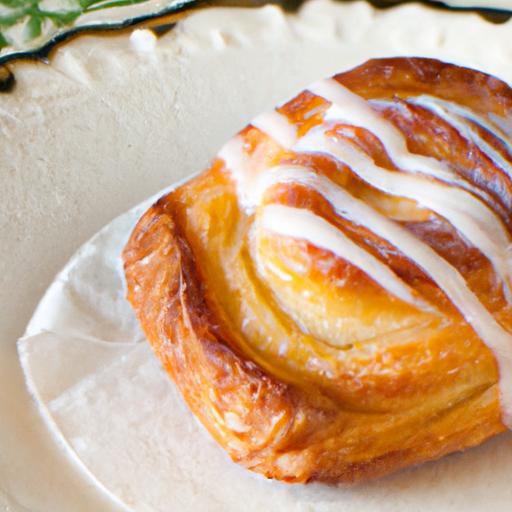

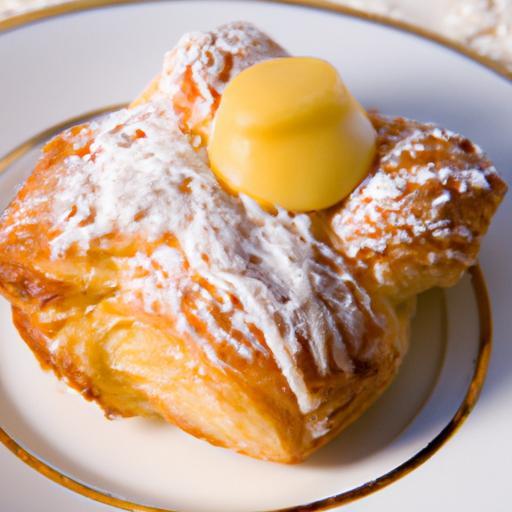
There’s something undeniably enchanting about biting into a flaky, golden Danish pastry, its layers melting effortlessly on the tongue. Now, imagine this conventional marvel elevated to new heights with a luscious, creamy custard filling that dances between sweet and velvety, creating a symphony of textures and flavors in every mouthful. Decadent Danish pastries filled with creamy custard delight are not just desserts-they are indulgent experiences that celebrate the art of baking and the joy of savoring something truly sumptuous. In this article, we’ll explore the origins, the perfect custard recipes, and tips for crafting these irresistible treats that promise to transform any ordinary moment into a celebration of decadence.
Decadent danish Pastries Filled with Creamy Custard Delight
Decadent Danish pastries filled with creamy custard delight capture the very essence of indulgence and craftsmanship. Originating from the Danish baking tradition that artfully combines buttery, flaky layers with smooth, luscious fillings, these pastries evoke both comfort and elegance. Whether enjoying a lazy Sunday morning or impressing guests with a refined treat, crafting these delights promises not only a feast for the palate but a celebration of technique and flavor.
Prep and Cook Time
- Readiness: 1 hour 30 minutes (includes dough resting and custard chilling)
- Cooking: 20-25 minutes
- Total Time: Approximately 2 hours
Yield
Approximately 12 medium-sized pastries
Difficulty Level
Medium – Requires some patience and technique but yields stunning results
Ingredients
- For the Danish Pastry Dough:
- 3 ½ cups all-purpose flour, sifted
- ½ cup whole milk, warm (about 100°F)
- ¼ cup granulated sugar
- 2 ¼ tsp active dry yeast (1 packet)
- 1 tsp vanilla extract
- 1 large egg
- 1 tsp fine sea salt
- 1 cup unsalted butter, cold and cut into thin slices (for laminating)
- For the Silky Smooth Custard Filling:
- 2 cups whole milk
- ½ cup granulated sugar
- 4 large egg yolks
- 3 tbsp cornstarch
- 2 tsp pure vanilla extract
- 2 tbsp unsalted butter, softened
- For Egg Wash: 1 large egg beaten with 1 tbsp milk
- Optional Garnishes: Fresh berries, powdered sugar, sliced almonds, apricot glaze
Instructions
- Activate the yeast: In a small bowl, combine warm milk, yeast, and 1 tsp sugar. Let it sit for 5-10 minutes until foamy.
- Combine dough ingredients: In a large mixing bowl, whisk flour, remaining sugar, and salt. Add the yeast mixture, egg, and vanilla extract. Mix until a soft dough forms.
- Knead and rest: Transfer dough to a lightly floured surface. Knead until smooth and elastic, about 8 minutes. Form into a ball, cover with plastic wrap, and refrigerate for 1 hour.
- Prepare butter block: On parchment paper, arrange the cold butter slices to form a 7×7-inch square. Cover and chill to keep cold but pliable.
- Lamination (folding the dough): Roll out chilled dough into a 10×10-inch square. Place the butter block centered on the dough and fold the dough edges over to encase the butter wholly.
- First fold: Roll dough into a 20×10-inch rectangle. Fold into thirds like a business letter. Wrap and chill 30 minutes.
- Repeat folds: Roll and fold two more times, chilling 30 minutes between each fold. This creates the signature flaky layers.
- Prepare custard filling: Heat milk in a saucepan until just simmering. Whisk egg yolks, sugar, and cornstarch until pale. Slowly pour hot milk into the yolk mixture, whisking constantly.
- Cook custard: Return mixture to saucepan; cook over medium heat, whisking until thick and smooth, about 3-5 minutes. Remove from heat and stir in vanilla extract and butter. Chill custard in an airtight container.
- Shape pastries: Roll dough to ¼ inch thickness. Cut into 12 rectangles. Place a generous spoonful of cold custard in the center. Fold or shape as desired (classic envelope or pinwheel).
- Proof pastries: Place on parchment-lined baking sheets. Cover loosely and let rise for 45 minutes until puffy.
- Egg wash: Brush pastries gently with egg wash for that golden sheen.
- Bake: In a preheated 375°F (190°C) oven, bake for 20-25 minutes until puffed and deep golden brown.
- Cool and garnish: Allow pastries to cool slightly before dusting with powdered sugar or glazing with warmed apricot preserves for shine.
Tips for Success
- Keep everything cold: Warm butter melts into the dough, losing those delicate layers. Chill your dough and butter thoroughly between folds.
- Don’t rush the proofing: The slow rise develops flavor and flaky texture. Place dough in a warm, draft-free spot.
- Use fresh ingredients: High-quality butter and fresh eggs elevate your Danish pastries.
- Make custard ahead: Prepare the custard a day in advance to let flavors meld and smooth out.
- Customize fillings: replace or mix custard with fruit preserves, almond paste, or cream cheese for variety.
Serving Suggestions
Present your Danish pastries warm on a rustic wooden board or an elegant porcelain plate. Garnish with fresh berries like blueberries or raspberries for a pop of color and tart contrast. A dusting of powdered sugar or a glossy apricot glaze adds visual appeal and subtle sweetness. Pair with freshly brewed coffee, creamy lattes, or a delicate floral tea to complete this charming treat experience.

Nutrition Information
| Nutrient | Per Serving |
|---|---|
| Calories | 320 kcal |
| protein | 6 g |
| Carbohydrates | 35 g |
| Fat | 16 g |
For a deeper dive into laminated dough techniques, explore our Ultimate Guide to Laminated Pastries. To learn more about custard science and safety, visit Serious Eats: Custards 101.
Q&A
Q&A: decadent Danish Pastries filled with Creamy Custard Delight
Q1: What makes Danish pastries so uniquely decadent?
A1: Danish pastries are a symphony of buttery, flaky layers that melt in your mouth with every bite. Their decadence stems from the meticulous lamination process, where dough and rich butter are folded repeatedly to create delicate, airy textures. When filled with creamy custard, the contrast between crisp pastry and velvety filling elevates them from simple baked goods to indulgent treasures.
Q2: How is the creamy custard filling crafted for these Danish delights?
A2: The custard is a luscious blend of fresh milk, egg yolks, sugar, and vanilla, slowly cooked to a smooth, silky consistency. Sometimes a hint of lemon zest or almond essence is added to deepen the flavor. The key is patience-cooking it gently ensures a rich, creamy filling that complements the pastry without overpowering it.
Q3: Are there traditional variations of custard-filled Danish pastries?
A3: Absolutely! Classic Danish bakeries frequently top custard-filled pastries with fresh fruit like berries or apricots, dust them lightly with powdered sugar, or drizzle a sweet glaze for added shine. Sometimes, a sprinkle of toasted almonds or a smear of jam accompanies the custard, creating layers of flavor and texture that delight the senses.
Q4: Can I make these decadent Danish pastries at home?
A4: With some patience and practice, yes! While the lamination can seem intimidating, there are simplified recipes that capture the essence of Danish pastries. Preparing your own custard is surprisingly straightforward and immensely rewarding. The key is using quality butter and fresh ingredients to achieve that authentic, melt-in-your-mouth experience.
Q5: What occasions suit serving these creamy custard-filled Danish pastries?
A5: These pastries are perfect for elevating any moment-morning brunches, afternoon tea, or as a sophisticated dessert at gatherings. Their rich yet delicate nature makes them ideal for celebrations or simply savoring on a slow weekend morning, pairing beautifully with a cup of coffee or tea.
Q6: How do Danish pastries differ from croissants, especially when filled with custard?
A6: Both share buttery layers, but Danish pastries are typically sweeter with a more substantial dough, often enriched with eggs and sugar, giving them a breadier, tender crumb. Croissants tend to be flakier and less sweet. When filled with custard, Danishes become a luxurious treat where the filling is central, while croissants usually play a subtler supporting role to the flaky texture.
Q7: Any tips for enjoying custard-filled Danish pastries at their best?
A7: Enjoy them fresh from the bakery or oven to savor the crispness of the pastry. If stored, gently warm them before serving to revive the buttery layers and soften the custard filling. Pairing with a lightly brewed tea or a rich espresso can heighten the indulgence, making every bite a moment to cherish.
Future Outlook
Whether enjoyed as a leisurely breakfast treat or a luxurious afternoon indulgence, these decadent Danish pastries filled with creamy custard delight embody the perfect harmony of flaky layers and velvety sweetness. Each bite invites you to savor centuries of baking tradition, where buttery dough meets rich, silky custard in a delicate dance of flavors and textures. so next time you crave a moment of pure pastry bliss, remember that these exquisite Danish creations are more than just a dessert-they’re an experience, a celebration of craftsmanship, and an appetizing reminder that sometimes, the simplest ingredients can come together to create something truly remarkable.