
There’s something undeniably luxurious about beef tenderloin-the buttery tenderness, the rich flavor, the way it practically melts in your mouth. Yet, for many home cooks, this prized cut can seem intimidating, a culinary challenge reserved for seasoned chefs or special occasions. ”Mastering Beef Tenderloin: A Savory Recipe Guide” is here to change that. Weather you’re aiming to impress at your next dinner party or simply elevate your everyday cooking, this guide will walk you through the art and science of preparing beef tenderloin with confidence and flair. From selecting the perfect cut to seasoning, searing, and roasting it to juicy perfection, get ready to transform this elegant cut into a show-stopping centerpiece that delights every palate.
Mastering beef tenderloin starts with choosing the right cut – a pivotal step to unlocking the ultimate tenderness that defines this luxurious dish. When selecting your beef tenderloin, seek a well-marbled centre-cut portion, often referred to as the ”filet mignon” section. This cut is prized for its delicate texture, minimal connective tissue, and mild flavor, promising a melt-in-your-mouth experience every time.
Prep and Cook Time
- planning: 15 minutes
- Cooking: 30-40 minutes
- Resting: 10 minutes
Yield
Serves 4 generous portions
Difficulty Level
Medium
Ingredients
- 1 whole beef tenderloin (center-cut), approx. 2 to 2.5 lbs, trimmed
- 2 tbsp olive oil
- 4 cloves garlic, minced
- 2 tsp fresh rosemary, finely chopped
- 1 tsp fresh thyme, finely chopped
- 1 tbsp kosher salt
- 1 tsp freshly ground black pepper
- 2 tbsp unsalted butter, softened
- Optional: 1 tbsp Dijon mustard for seasoning rub
Instructions
- Select and prepare the beef tenderloin: Pat the tenderloin dry with paper towels to ensure a beautifully browned crust. Trim any excess fat or silver skin carefully without removing the prized marbling.
- Create the seasoning rub: In a small bowl, mix olive oil, minced garlic, rosemary, thyme, salt, pepper, and optional Dijon mustard. This herbaceous blend infuses deep layers of flavor while enhancing the meat’s natural richness.
- Apply the rub: Generously coat the tenderloin all over with the mixture, pressing it in gently to adhere. Let the beef rest at room temperature for 20-30 minutes – this encourages even cooking and optimal flavor penetration.
- Preheat your oven and sear: Heat a heavy skillet over medium-high heat. Add a splash of oil and sear the tenderloin on all sides until a dark golden crust forms, about 2-3 minutes per side. This step locks in juices and adds a savory depth.
- Roast for perfect doneness: Transfer the tenderloin to a preheated 425°F (220°C) oven. Roast for 20-30 minutes depending on thickness and desired doneness (use a meat thermometer: 125°F for rare, 135°F for medium-rare).
- Add butter for richness: Halfway through roasting, top the tenderloin with softened butter, allowing it to melt and baste the meat subtly during cooking.
- Rest the beef: Remove from the oven and tent loosely with foil. Let it rest for 10 minutes; this crucial pause helps redistribute the juices so every slice remains juicy and tender.
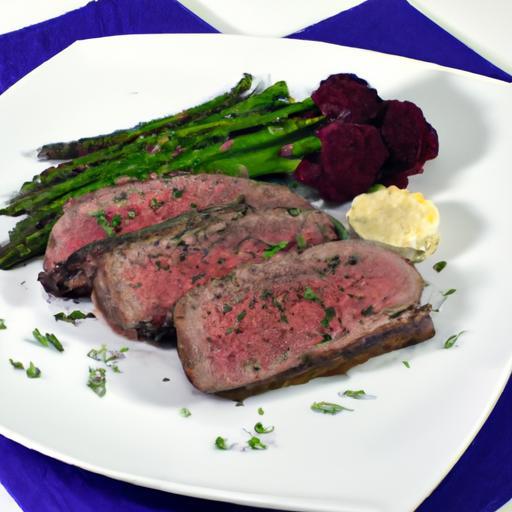
- Slice and serve: Cut into 1-inch medallions against the grain for maximum tenderness. Plate thoughtfully with complementary sides and garnish.
Tips for Success
- Choose a beef tenderloin labeled “center-cut” for even thickness and consistent cooking.
- For an extra flavorful crust, consider dry-aging or adding a light crust of cracked black peppercorns before searing.
- Use a meat thermometer to avoid overcooking – the difference between medium-rare and medium is only a few degrees but each matters.
- Prepare ahead by seasoning the tenderloin up to 12 hours in advance and refrigerate, then bring to room temperature before cooking.
- If you’re short on time, sear and roast in the same pan, but high-heat skillet searing first remains the gold standard for flavor and texture.
Serving Suggestions
Arranging your beef tenderloin slices atop a smooth, buttery mashed potato bed, or alongside roasted seasonal vegetables, warms both the plate and the soul. garnish with fresh rosemary sprigs and a drizzle of pan jus or red wine reduction for a vibrant finishing touch that elevates presentation and tempers the richness perfectly. For an elegant twist, accompany with a dollop of horseradish cream or a silky mushroom sauce to pair with every forkful.

| Nutrient | Per Serving |
|---|---|
| Calories | 470 kcal |
| Protein | 54 g |
| Carbohydrates | 2 g |
| Fat | 28 g |
For further reading on choosing premium beef cuts and techniques, visit the Beef it’s What’s For Dinner – Tenderloin Guide. You can also explore our Perfect Steak Secrets post to deepen your mastery of steak preparation and cooking.
Q&A
Q&A: Mastering Beef Tenderloin – A Savory Recipe Guide
Q1: what makes beef tenderloin so special compared to other cuts of beef?
A1: Beef tenderloin is the superstar of steaks - incredibly tender, lean, and buttery in texture. It’s the muscle that gets the least exercise, which means it’s naturally soft and succulent. unlike tougher cuts that demand slow cooking, tenderloin shines when treated with gentle, precise methods that highlight its delicate flavor and melt-in-your-mouth quality.
Q2: How do I select the best beef tenderloin at the market?
A2: Seek out a beef tenderloin that has a deep, rich red color and is well-marbled with fine streaks of fat – these little veins guarantee juiciness and flavor. The meat should feel firm yet springy to the touch, free from any off smells. Opt for USDA Prime or Choice grades for that perfect balance of tenderness and taste.
Q3: what’s the secret to seasoning beef tenderloin without overpowering its natural flavor?
A3: less is absolutely more.Salt and freshly cracked black pepper form the classic duo. To elevate subtly, fresh herbs like rosemary or thyme, a touch of garlic, or a brush of mustard can enhance flavors without masking the meat’s delicate profile. The goal is to celebrate the beef, not overshadow it.
Q4: Should I sear the tenderloin before roasting?
A4: Yes! Searing is your flavor foundation. A hot pan creates a stunning caramelized crust, locking in juices and adding complexity to every bite. Think of it as giving your tenderloin a golden armor before it finishes cooking gently in the oven.
Q5: What is the ideal internal temperature for cooking beef tenderloin?
A5: Aim for medium-rare perfection – about 130°F (54°C) internal temperature. This gives you a warm, rosy center that is juicy and tender. Pull the tenderloin from the oven slightly before this temp (around 125°F), then let it rest; the carryover heat will finish the job, ensuring tender, flavorful meat.
Q6: How long should I let the cooked tenderloin rest, and why?
A6: Patience pays off - rest your beef tenderloin for at least 10 to 15 minutes after cooking. This pause allows the juices to redistribute throughout the meat. Slicing too soon will cause those precious juices to leak out, resulting in a drier bite.
Q7: What side dishes pair best with beef tenderloin?
A7: Think elegant yet simple. Creamy mashed potatoes, garlic roasted vegetables, or a fresh arugula salad with lemon vinaigrette complement the beef’s rich flavor without competing. A robust red wine reduction or béarnaise sauce also makes a luxurious companion.
Q8: Can I prepare beef tenderloin ahead of time for a special occasion?
A8: Absolutely! You can season and sear your tenderloin in advance and refrigerate it overnight. When ready, simply finish roasting it just before serving. This approach saves time and lets you dazzle guests with minimal fuss.
Q9: Any tips for carving beef tenderloin like a pro?
A9: use a sharp, long slicing knife and cut against the grain in smooth, even strokes. Aim for slices about ¾-inch thick to preserve tenderness and presentation. Carve just before serving to keep slices juicy and warm.
Q10: What common mistakes should I avoid when cooking beef tenderloin?
A10: The biggest pitfalls include overcooking (which dries it out), insufficient seasoning, skipping the rest period, and not letting the meat come to room temperature before cooking. Keep these in check, and you’ll unlock beef tenderloin glory every time!
Mastering beef tenderloin is truly an art of balance-honoring the meat’s natural elegance with thoughtful technique and just the right accompaniments. Ready to transform your next meal? Let this savory guide be your go-to companion on the journey to tenderloin mastery!
To Wrap It Up
As you close this savory chapter on mastering beef tenderloin, remember that true culinary craftsmanship lies not just in following a recipe, but in embracing the rhythm of the meat-the marbling, the seasoning, and the sear. With these insights tucked under your apron, each tenderloin you prepare will speak of patience, precision, and passion.So whether you’re aiming for a succulent centerpiece at a dinner party or a quiet indulgence on a weeknight, let this guide be your trusted companion on the journey to beefy brilliance. Your next masterpiece is just a perfectly cooked slice away.