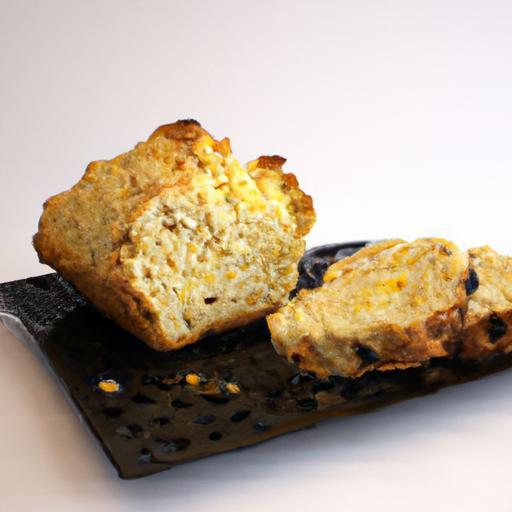

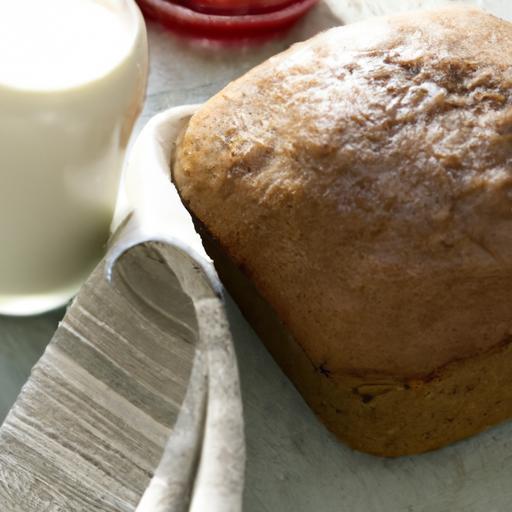
There’s something undeniably comforting about the warm, golden crust and tender crumb of a freshly baked loaf of Irish soda bread. Rooted in centuries of tradition, this humble bread has transcended its origins as a quick, no-yeast staple to become a beloved symbol of Irish heritage and hospitality.
Whether you’re a seasoned baker or a curious newcomer to the world of homemade breads, mastering Irish soda bread offers a delightful journey into simplicity, flavor, and authenticity. In this guide, we’ll unravel the secrets behind this iconic loaf, share a straightforward recipe that honors its time-honored roots, and equip you with tips to perfect your bake every time. Get ready to bring a slice of Ireland into your kitchen with ease and confidence.
Mastering Irish Soda Bread opens the door to a true taste of Ireland, where humble ingredients come together to create a rustic loaf steeped in history and warmth. This bread, celebrated for its quick planning and hearty flavor, tells a story of resourcefulness born in kitchens where yeast was scarce and a reliable rise was achieved through the unique chemistry of baking soda and buttermilk. Its crackling crust and tender crumb offer not only comforting textures but also an evocative slice of Irish heritage.
Prep and Cook Time
- Preparation: 15 minutes
- Resting: 5 minutes
- Baking: 35-40 minutes
Yield
1 large round loaf (serves 8)
Difficulty Level
Easy – Perfect for bakers of all levels
Ingredients
- 3 ½ cups all-purpose flour, sifted
- 1 teaspoon baking soda
- 1 teaspoon fine sea salt
- 1 ¾ cups buttermilk, cold
- Optional traditional additions: ¼ cup raisins or currants, 1 tablespoon sugar, 1 teaspoon caraway seeds
Instructions
- Preheat your oven to 425°F (220°C) and line a baking sheet with parchment paper.
- In a large bowl, whisk together the flour, baking soda, and salt to ensure an even distribution of leavening and seasoning.
- Create a well in the dry ingredients and pour in the cold buttermilk gradually, using a wooden spoon to gently fold the dough until just combined.Be careful not to overmix; the dough should be soft but slightly sticky.
- Incorporate optional add-ins here if desired-gently fold in raisins, currants, or caraway seeds to infuse traditional Irish flavors.
- Turn the dough onto a lightly floured surface and pat it into a round about 1 ½ inches thick, maintaining a rustic, slightly uneven shape to honour authenticity.
- Transfer the dough onto the prepared baking sheet. With a sharp knife, score a deep ”X” across the top to allow steam to escape and encourage proper oven spring-this step is both functional and iconic.
- Bake for 35-40 minutes, until the crust is a rich golden-brown and sounds hollow when tapped on the bottom. For an artisan crust,you may place a small oven-safe pan with water on the lower rack to create steam.
- Cool the bread on a wire rack for at least 15 minutes before slicing to set the crumb and preserve moisture.
Tips for success
- Select the right flour: Traditional Irish soda bread thrives on all-purpose flour, but for a nuttier, heartier texture, incorporate up to ½ cup whole wheat flour. Avoid self-rising flour as it contains extra leavening that can interfere with the soda’s action.
- Choose quality buttermilk: Fresh, cold buttermilk provides acidity to activate the soda, guaranteeing that signature rise and moist crumb. If unavailable, create a substitute by adding 1 tablespoon of white vinegar or lemon juice to 1 ¾ cups of milk; let it stand for 5 minutes.
- Perfect your crust and crumb: For a thicker crust, bake directly on a preheated baking stone or heavy baking sheet. Avoid overhandling the dough, which can toughen the texture.
- Customizing: classic additions like dried fruit or seeds add charm; however, for a savory twist, simply omit sugar and incorporate fresh herbs like rosemary or thyme.
- Make ahead: Soda bread is best fresh but can be sliced and frozen for up to 2 months. toast slices later to revive the crust’s crunch.
Serving Suggestions
This Irish classic pairs beautifully with a pat of salted butter and sharp Irish cheddar. For a cozy afternoon, serve warm alongside a bowl of hearty stew or a simple cup of strong black tea. Garnish with fresh parsley or thyme sprigs for a vibrant presentation that honors its rustic roots.

| Nutrient | Per Serving (1 slice) |
|---|---|
| Calories | 180 |
| Protein | 5g |
| carbohydrates | 35g |
| Fat | 1.5g |
For a deeper dive into traditional Irish breads, explore our Irish baking Basics guide, and learn more about buttermilk and its chemistry at this ScienceDaily article.
Q&A
Q&A: Mastering Irish Soda Bread - A Simple, Authentic Recipe Guide
Q1: What makes Irish soda bread different from other breads?
A1: Irish soda bread is a charmingly rustic bread that relies on baking soda and buttermilk as its leavening agents rather of yeast. This gives it a dense, tender crumb with a slightly tangy flavor. Unlike many breads, it requires no kneading or rising time, making it wonderfully quick and approachable for bakers of all levels.
Q2: Why use baking soda instead of yeast?
A2: Baking soda reacts immediately with the acids in buttermilk, producing carbon dioxide bubbles that help the dough rise. This rapid chemical reaction eliminates the need for hours of rising, resulting in bread that’s ready in under an hour-perfect for spontaneous baking adventures or when time is of the essence.
Q3: What are the essential ingredients for authentic Irish soda bread?
A3: The classic quartet consists of four simple pantry staples: all-purpose flour, baking soda, salt, and buttermilk. Some traditional recipes add a pinch of sugar, but the beauty of Irish soda bread lies in its simplicity. Optional add-ins like raisins or caraway seeds can lend character, but the unadorned version remains a beloved staple.
Q4: Is it necessary to use buttermilk? Can I substitute it?
A4: Buttermilk’s acidity is crucial-it activates the baking soda and imparts a slight tang. If you don’t have buttermilk on hand, you can mimic it by adding one tablespoon of white vinegar or lemon juice to one cup of milk and letting it sit for 5-10 minutes. This homemade substitute works splendidly in a pinch.
Q5: how do I know when the soda bread is perfectly baked?
A5: Look for a golden-brown crust with a firm, hollow sound when you gently tap the bottom of the loaf. A classic trick is to insert a toothpick or skewer into the center if it comes out clean or with just a few crumbs, your bread is ready to be enjoyed.
Q6: Can I customize Irish soda bread without losing its authenticity?
A6: Absolutely! While the traditional recipe is minimalist, adding raisins, currants, or caraway seeds creates delightful flavor variations that have been embraced for generations. Just remember that excessive additions or substitutions might alter the bread’s texture or rise, so balance is key.
Q7: What’s the best way to serve Irish soda bread?
A7: Freshly baked and warm, sliced thick and slathered with butter, is the classic way to savor it.It pairs beautifully with hearty stews, sharp cheddar, or simply a drizzle of honey. Leftovers can be toasted for breakfast or transformed into croutons for a rustic salad.
Q8: How should I store Irish soda bread?
A8: Soda bread is best enjoyed the day it’s baked but can be stored wrapped in a cloth or paper bag at room temperature for a day or two. Beyond that, freezing is your friend-slice the bread first, freeze the pieces, and toast them straight from the freezer whenever you crave that comforting taste.
Q9: What common mistakes should I avoid when baking soda bread?
A9: The biggest pitfalls include overmixing the dough-which can toughen the bread-and skimping on the acid component, which is vital for proper rising. Also, avoid baking at too low a temperature; a hot oven helps create the desirable crust and ensures the loaf cooks through without becoming dense or doughy.
Q10: Why has Irish soda bread endured through centuries?
A10: Its enduring charm lies in simplicity,speed,and comforting flavor. Born from necessity during times when yeast was scarce or expensive, soda bread is a testament to resourcefulness. Today, it continues to bring people together around the warmth of the oven, celebrating heritage and home-baked goodness with every slice.
Wrapping Up
Whether you’re a seasoned baker or a curious novice, mastering Irish soda bread opens a delicious gateway to Ireland’s culinary heritage. With just a handful of simple ingredients and a few key techniques, this humble bread transforms into a warm, hearty companion for any meal. As you perfect your recipe, you’ll not only nourish your body but also connect with centuries of tradition baked into every crumb. So roll up your sleeves, embrace the simplicity, and let each loaf tell a story of authenticity and comfort straight from the heart of Ireland’s kitchen to your own. Sainte!