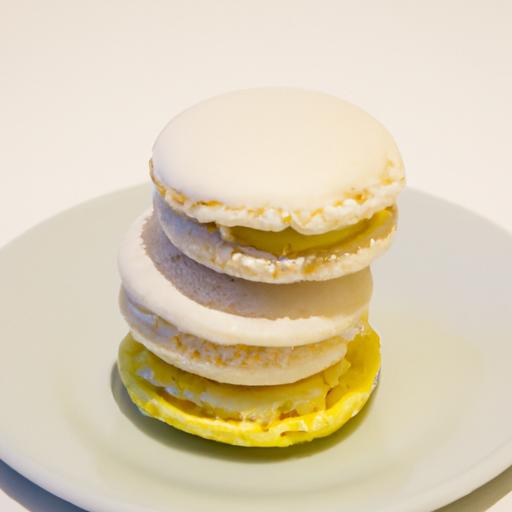

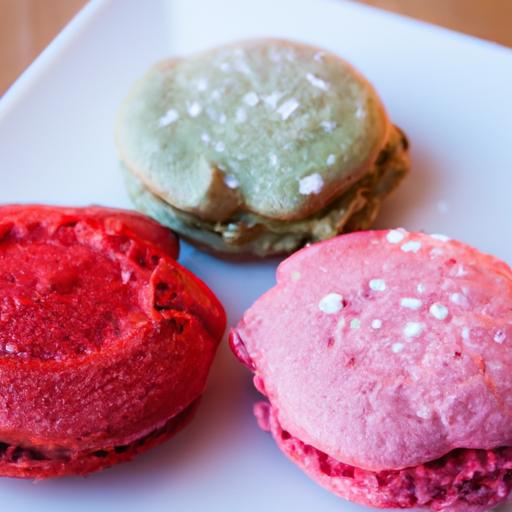
Delicate, colorful, and irresistibly charming, macarons have long captivated the hearts and palates of dessert lovers around the world. These petite French confections, with their crisp shells and luscious fillings, are more than just a treat-they are a celebration of artistry and heritage. In “Macarons Unwrapped: exploring Flavors & Sweet Traditions,” we embark on a flavorful journey that peels back the layers of this iconic sweet.From classic vanilla and pistachio to daring innovations like matcha and passion fruit, we’ll delve into the stories, techniques, and cultural nuances that make macarons a timeless symbol of indulgence and creativity. Whether you’re a seasoned gourmand or a curious newcomer, join us as we unwrap the vibrant world of macarons and discover the traditions that keep their magic alive.
Macarons Unwrapped: Exploring Flavors & Sweet Traditions invites you to delve into the rich origins and exquisite craftsmanship that make these delicate French confections a timeless delight. Born from centuries of European patisserie innovation, macarons fuse almond flour’s nutty elegance with ethereal meringue to create a symphony of texture and flavor. Whether savoring a classic vanilla or an inventive salted caramel, understanding their artistry enhances every bite.
Origins and Artistry Behind the perfect Macaron
Dating back to the Renaissance period,macarons have transcended their humble beginnings as simple almond meringue cookies to become an emblem of French sophistication.The true artistry lies in mastering the balance between crisp shells and a luscious interior-a harmony that requires precision, patience, and passion.The iconic “feet,” those airy ruffled edges formed in baking, symbolize a well-executed technique that bakers strive to perfect. This delicate balance of texture is further elevated by fillings that range from silky ganaches to tangy fruit preserves, layering complexity upon subtle sweetness.
Prep and Cook Time
- Preparation: 30 minutes
- Resting time: 45 minutes
- Baking: 15 minutes
- Total Time: 1 hour 30 minutes
Yield
Approximately 20 macarons (40 shells, assembled)
Difficulty Level
Advanced – requires attention to detail and precise technique
Ingredients
- 100g almond flour, finely ground and sifted
- 100g powdered sugar, sifted
- 75g egg whites (about 2 large eggs), aged overnight at room temperature
- 75g granulated sugar
- pinch of cream of tartar (optional, for stabilizing meringue)
- Food coloring (optional, gel or powder-based)
- Filling of choice: chocolate ganache, buttercream, fruit curd, or salted caramel
Instructions
- Prepare dry ingredients: In a large bowl, sift together almond flour and powdered sugar to ensure they are light and lump-free, then whisk to combine.
- whip the meringue: In a clean, dry bowl, beat the egg whites with a pinch of cream of tartar until foamy. Gradually add granulated sugar in three additions,whipping steadily to form glossy,stiff peaks.Add food coloring just before meringue is ready to avoid deflating the mixture.
- Macaronage: Gently fold the dry mixture into the meringue using a spatula. Mix with controlled strokes-fold under and turn the bowl-until batter flows like molten lava, forming a thick ribbon that slowly dissolves back into the batter (around 50-60 folds). This step is crucial to developing perfect texture and “feet.”
- Piping: Transfer the batter to a piping bag fitted with a round tip. Pipe uniform 3 cm (1.2 inch) discs onto parchment-lined baking sheets, maintaining equal spacing for airflow. Tap the baking sheet firmly on the counter to release air bubbles and create a smooth surface.
- Resting: Allow piped batter to rest at room temperature for 45 minutes or until a thin, dry skin forms on the surface-touch gently to test. This skin formation is essential for developing crisp shells and the signature feet during baking.
- Baking: Preheat oven to 300°F (150°C). Bake each tray for 14-16 minutes, rotating halfway if necessary. The macarons should rise with feet and remain slightly soft inside.
- Cooling and assembly: Remove macarons from the oven and cool entirely on the baking sheet before gently peeling.Pair similar-sized shells and fill with your chosen filling using a piping bag, then sandwich to form the delicate treat.
tips for Success
- Age your egg whites: leaving egg whites in a covered container overnight at room temperature improves volume and stability.
- Almond flour quality: Use freshly ground and sifted almond flour to avoid coarse textures.
- Macaronage technique: resist over-mixing or under-mixing; the batter should flow slowly but hold shape.
- Resting surroundings: Rest the shells in a dry, slightly cool area to form the perfect skin - humid conditions can cause cracking.
- Make-ahead: Macaron shells can be stored in an airtight container for up to 3 days; filled macarons last 1-2 days refrigerated.
Decoding Flavor Profiles from Classic to Contemporary
While the classic vanilla, raspberry, and chocolate macarons remain beloved staples, contemporary flavors offer exciting twists that delight the palate and spark imagination. From fragrant lavender honey to zesty yuzu citrus or indulgent salted caramel, each macaron tells a story. Combining unexpected ingredients-like matcha-infused shells with white chocolate filling or rosewater with pistachio-creates playful yet refined experiences. Not only does experimenting with flavor deepen enjoyment, but it also invites home bakers to celebrate their own creative flair.
Pairing Macarons with Tea and Coffee for Enhanced Enjoyment
The nuanced flavors of macarons become even more enchanting when paired thoughtfully with beverages. Delicate green teas or fragrant jasmine teas complement floral macarons, while the rich bitterness of espresso perfectly balances ganache-filled treats.For fruit-forward macarons, try a fruity black tea or a subtly sweet chai. Balancing a macaron’s sweetness and texture with an ideal sip elevates the tasting into a sensory ritual-a true celebration of indulgence and refinement.
Essential Tips for Selecting and Storing Macarons at Home
When purchasing macarons, seek those with smooth, shiny tops and pronounced “feet” that indicate skilled baking. Average size and uniformity hint at freshness and consistency. Store macarons in airtight containers in the refrigerator for up to two days; bring them to room temperature before serving for optimal flavor and texture. Avoid freezing if possible, as this can alter the delicate structure and moisture balance.
Serving Suggestions
- Arrange macarons on a tiered dessert stand to showcase their vibrant colors and shapes.
- Garnish with edible gold leaf or a dusting of powdered sugar for celebratory occasions.
- Pair with small bowls of fresh berries or mint leaves for a fresh, contrasting palate.
- For an elegant touch, serve alongside glass teacups with loose-leaf tea or demitasse cups of espresso.
| Nutritional Information (per macaron) | Calories | Protein (g) | Carbs (g) | fat (g) |
|---|---|---|---|---|
| Classic Vanilla | 70 | 1.5 | 9 | 3 |
| Chocolate Ganache | 80 | 1.7 | 8 | 4 |
| Raspberry | 65 | 1.4 | 9 | 2.5 |

For further exploration of French patisserie techniques, explore our french Pastry Fundamentals article.To deepen your knowledge on the science behind meringues and macaron formation, visit the informative and authoritative resource at Serious Eats.
Q&A
Q&A: Macarons Unwrapped – Exploring Flavors & Sweet Traditions
Q1: What exactly is a macaron,and how does it differ from a macaroon?
A: A macaron is a delicate French confection made from almond flour,egg whites,and sugar,resulting in a smooth,crisp shell with a chewy interior. Sandwiched between the shells is a luscious filling like buttercream, ganache, or jam. Unlike the coconut-based, chewy macaroon, the macaron is refined, colorful, and often artfully flavored-truly a jewel in the crown of patisserie.
Q2: How did macarons become such an iconic French treat?
A: though its origins are debated-some trace it back to Venetian monks-macarons truly rose to fame in France during the early 20th century. the Parisian pâtisserie Ladurée played a pivotal role by reinventing the macaron into the two-shell sandwich we adore today, elevating it from humble cookie to haute cuisine darling.
Q3: What are some classic macaron flavors, and how have they evolved?
A: The classics are timeless: pistachio with its nutty earthiness, raspberry bursting with tart sweetness, and vanilla embodying pure, creamy warmth.Modern pastry chefs push boundaries, conjuring flavors like matcha jasmine, salted caramel, or even spicy chili chocolate-turning macarons into a playful canvas of taste and surprise.
Q4: Can macarons tell a story about culture and tradition?
A: Absolutely. Beyond their French roots, macarons have become global ambassadors of sweetness. In Japan, matcha macarons reflect reverence for tea culture. In the Middle East, rosewater and saffron evoke ancient aromatic traditions. Each macaron flavor is a tiny narrative, folding heritage and innovation into a single bite.
Q5: What makes macarons so challenging to bake perfectly?
A: Their perfection hangs on a delicate balance: the meringue must be stable yet airy; almond flour finely ground; baking temperature just right to achieve a smooth “foot” and crisp shell without cracks. It’s chemistry and artistry combined. Even slight humidity or over-mixing can betray the baker’s efforts-making success all the sweeter.
Q6: How can someone best enjoy their macaron experience?
A: Savor slowly! Let the shell gently crack under your bite to reveal the creamy filling inside.Pair with a cup of fragrant tea or light coffee to complement the intricate flavors. And don’t shy away from exploring unusual flavors-each macaron is an invitation to taste a little piece of world sweetness.
Q7: Are macarons just a treat, or can they be part of celebrations and rituals?
A: They’re stars of celebrations worldwide-from elegant weddings dusted with gold leaf to festive holidays wrapped in vibrant colors. In France, gifting macarons is a gesture of affection and refinement. Their beauty and delicacy turn any occasion into a moment of shared joy and indulgence.
Q8: What’s next for the future of macarons?
A: As pastry chefs continue to experiment, expect even bolder textures and flavor fusions-the rise of vegan or gluten-free macarons, lasting ingredient sourcing, and immersive macaron tastings that blend culinary art with storytelling. The macaron’s journey is far from over; it’s a sweet tradition unfolding with every new bite.
In Summary
as we close the delicate shell of our macaron journey, it’s clear that these petite confections are more than just a treat-they are edible stories steeped in tradition and bursting with flavor. From the bustling patisseries of Paris to the innovative kitchens reinventing classics today, macarons continue to captivate our senses and inspire sweet creativity. Whether you savor the timeless harmony of pistachio and rose or embark on adventurous flavor quests, each bite offers a glimpse into a rich culinary heritage that’s as colorful and vibrant as the macarons themselves. So next time you unwrap one of these little gems,remember: you’re tasting a tradition that transcends borders,one delicate,delightful layer at a time.