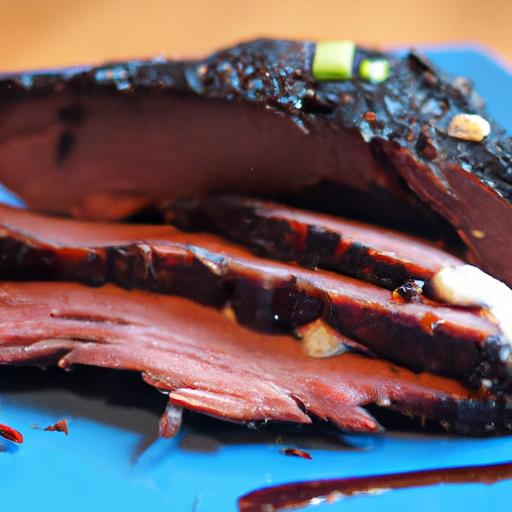

Few culinary experiences capture the heart and soul of Texas like sinking your teeth into a perfectly smoked brisket. This iconic dish is more than just a meal-it’s a flavorful tradition steeped in history, patience, and passion. Mastering Texas-style smoked brisket is an art that transforms humble cuts of beef into tender, smoky masterpieces, layered with complex flavors that tell a story of heritage and craftsmanship. In this article, we’ll journey through the essential techniques, secret tips, and cultural roots that elevate brisket from simple barbecue to an unforgettable culinary legend. Whether you’re a backyard pitmaster or a curious foodie, prepare to uncover the smoky secrets behind Texas’s most revered barbecue treasure.
Mastering Texas-Style Smoked Brisket begins with an inspired understanding of the cut itself, the seasoning that elevates it, the wood that imparts its legendary aroma, and the smoke techniques that create that coveted tender texture with a mesmerizing smoke ring. This journey is both art and science, and with each step, you come closer to crafting the quintessential Texas BBQ masterpiece.
Prep and Cook Time
- Planning: 30 minutes
- Marinating: 4-6 hours (or overnight for deeper flavor)
- Smoking: 10-14 hours (depending on brisket size and smoker temperature)
- Resting: 1 hour
Yield
Serves 8-10 hungry BBQ enthusiasts
Difficulty Level
Advanced – Ideal for committed pitmasters ready to master true Texas brisket craft
Ingredients
- 1 whole packer brisket (10-12 pounds), preferably USDA Choice, with a good fat cap
- 1/4 cup kosher salt
- 1/4 cup coarse black pepper
- 2 tablespoons smoked paprika
- 1 tablespoon garlic powder
- 1 tablespoon onion powder
- 1 teaspoon cayenne pepper (optional, for a mild kick)
- 1/4 cup apple cider vinegar
- 1/4 cup beef broth or filtered water
- 2 tablespoons Worcestershire sauce
- Wood chunks for smoking: Post oak preferred (Texas tradition), or a blend of oak and hickory
Instructions
- Selecting the Cut: Begin by choosing a brisket with a well-marbled fat cap-this fat is essential for tenderness and flavor. A whole packer brisket, combining both the flat and the point, offers the best balance of lean meat and richly marbled sections.
- Preparing the Dry Rub: In a bowl, combine kosher salt, coarse black pepper, smoked paprika, garlic powder, onion powder, and cayenne pepper. The robust simplicity of salt and pepper in this mixture echoes the Texas tradition, while paprika adds depth and color.
- Applying the Rub: Pat the brisket dry with paper towels. generously coat every surface with the dry rub, firmly pressing it into the meat. For ideal absorption, cover the brisket and refrigerate for at least 4 hours or overnight.
- Crafting the Marinade: In a spray bottle or bowl, mix apple cider vinegar, beef broth, and Worcestershire sauce. This tangy,savory marinade helps maintain moisture and compliments the smoky flavors during the long cook.
- Setting up the Smoker: Preheat your smoker to a steady 225°F (107°C). Use post oak wood chunks for authentic Texas flavor or blend in hickory for complexity. Place soaked wood chunks (soak for 30 minutes prior) to generate even, aromatic smoke.
- Smoking the Brisket: position the brisket fat side up on the grate, allowing fat to baste the meat as it melts. Smoke low and slow, maintaining a constant temperature. Every hour, gently spritz the brisket with your prepared marinade to build moisture and layers of flavor.
- Monitoring the Smoke Ring: Patience is key: the smoke ring-a signature pink border beneath the crust-forms as nitrogen dioxide from the wood smoke bonds with myoglobin. Maintain an optimal temperature around 225°F using indirect heat to encourage a deep, lasting ring.
- Wrapping the Brisket (Texas Crutch): When the internal temperature hits around 160°F,wrap the brisket tightly in butcher paper (preferred for texture) or foil to trap moisture,cutting down on smoking time while preserving tenderness.
- Finishing the Cook: Continue smoking until the internal temperature reaches 203°F. This ensures connective tissues break down, rendering the brisket tender yet sliceable.
- Resting: Remove the brisket and let it rest wrapped for at least 1 hour. This helps the juices redistribute, delivering moist, flavorful slices.
- Slicing and Serving: Slice against the grain, starting with the flat and then the point. Serve with your favorite Texas-style BBQ sauces and sides.
Tips for Success
- Fat Cap Direction: Smoke with the fat cap up for self-basting, or down to protect from direct heat; either method works if you monitor carefully.
- Wood Selection: Stick to post oak for that unmistakable Texas aroma. for beginners, mixing in milder woods like pecan or hickory enhances complexity without overpowering.
- Maintaining Temperature: Avoid temperature spikes. Use a good quality smoker thermometer and avoid opening the smoker too frequently.
- Marinade Spritzing: Keeps the surface hydrated and pulls smoke flavor deeper-essential for long cooks.
- Resting Time: Don’t skip resting-it’s crucial for tenderness and locking in juices.
- Make-Ahead: Wrapped brisket can be refrigerated overnight and gently reheated; flavors deepen magnificently.
Serving Suggestions
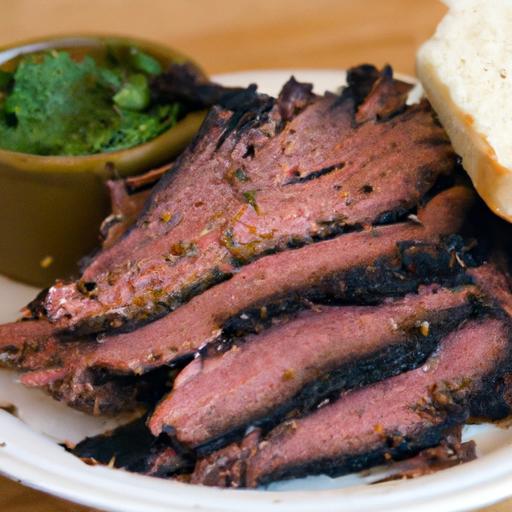
Present your smoked brisket slices on a rustic wooden board, garnished with fresh chopped parsley and pickled jalapeños. Pair with traditional sides like tangy coleslaw, buttery potato salad, and chewy white bread to soak up smoky meat juices. For an added Texas flair, drizzle your slabs with a vinegar-based BBQ sauce or serve alongside a robust homemade BBQ sauce.

| Nutrient | Per 4 oz Serving |
|---|---|
| Calories | 320 kcal |
| Protein | 28 g |
| Carbohydrates | 1 g |
| Fat | 22 g |
For more on Texas-style smoked ribs and expert BBQ techniques, explore our detailed guides. Additionally, learn about the science behind the smoke ring and meat chemistry at Serious Eats.
Q&A
Q&A: Mastering Texas-Style Smoked Brisket: A Flavorful Tradition
Q1: What makes Texas-style smoked brisket so special compared to other barbecue styles?
A1: Texas-style smoked brisket is a party of simplicity and patience. Unlike other barbecue styles that pile on sauces and rubs, Texas brisket relies on a few key ingredients-usually just a salt and pepper rub-to highlight the natural flavor of the beef. The hallmark is the slow, low-and-slow smoking process that melts connective tissue, creating a tender, juicy, and deeply smoky masterpiece. It’s less about masking the meat and more about elevating it.
Q2: What cut of beef is ideal for Texas-style brisket, and why?
A2: The ideal cut is a whole packer brisket, which includes both the flat and the point. The flat is leaner and slices beautifully, while the point has more marbling and fat, offering rich, tender bites. Together, they offer a textural and flavor contrast that embodies the brisket experience. The fat renders down slowly during smoking, infusing the meat with succulent juiciness.
Q3: How crucial is the choice of wood in smoking a brisket?
A3: Wood choice is paramount- it’s the smoky heart and soul of the brisket. Traditional Texas brisket is smoked with post oak wood, known for its mild, slightly sweet aroma that complements beef without overpowering it. Hickory and mesquite are also popular but can be more intense. The right wood smoke creates that signature bark and a subtle layer of flavor that lingers in every bite.Q4: What’s the secret to achieving the perfect bark on a Texas brisket?
A4: The bark-the crusty, flavorful exterior-is a product of seasoning, smoke, and cooking technique. A simple kosher salt and coarse black pepper rub, coupled with steady smoking at around 225-250°F, slowly darkens the meat’s surface. The smoke particles combine with the meat’s natural juices and spices to form not just texture but a mouthwatering depth of flavor that’s quintessentially Texan.
Q5: How do you know when a brisket is “done” and ready to serve?
A5: Unlike oven cooking, brisket readiness depends on tenderness rather than time alone. A probe thermometer reading around 195-205°F indicates that the collagen has broken down properly. But the true test is the “poke” or “probe” test-when a skewer or thermometer slides in and out like butter, the brisket is ready. Rest it well to let juices redistribute, ensuring a moist, tender bite.
Q6: Can you share some tips for first-timers attempting Texas-style smoked brisket?
A6: absolutely! Be patient-brisket is a journey, not a sprint. Prep your smoker well and maintain a consistent temperature. Resist the urge to wrap the brisket too early; some pitmasters swear by the “Texas Crutch” (foil wrapping) in the stall phase to speed cooking and keep moisture,but many prefer to keep the bark intact. And rest your brisket for at least an hour before slicing to lock in flavor and juiciness.
Q7: Why does Texas-style brisket hold such cultural significance in the Lone Star State?
A7: Texas smoked brisket is more than food-it’s tradition, community, and craftsmanship melded into one iconic dish.Rooted in central Texas German and Czech immigrant heritage, brisket embodies the spirit of slow, hard work and celebration. sharing a perfectly smoked brisket at a backyard cookout or competition speaks to Texan pride and hospitality, making it a flavorful emblem of state identity.
Q8: What sides or accompaniments best complement Texas-style smoked brisket?
A8: Classic sides are simple and hearty to balance the rich meat: smoky baked beans, creamy potato salad, tangy coleslaw, and buttery cornbread. Pickles and chopped white onions add a fresh crunch, while a splash of Texas-made barbecue sauce is optional-many purists enjoy the meat solo to savor every nuanced flavor.
Mastering Texas-style smoked brisket is an art and a labor of love, but with the right approach, anyone can create this smoky, tender icon of American barbecue culture. So fire up the smoker, embrace the slow smoke, and get ready to taste tradition.
Insights and Conclusions
Mastering Texas-style smoked brisket is more than just perfecting a recipe-it’s embracing a rich culinary tradition steeped in patience, passion, and community. Each tender, smoky bite tells a story of time-honored techniques passed down through generations, where the dance of fire and smoke transforms humble beef into a flavorful masterpiece. whether you’re a backyard pitmaster or an aspiring BBQ aficionado, the journey to brisket mastery invites you to savor not only the taste but the heritage behind this iconic dish. So fire up the smoker, gather your favorite rubs, and let the timeless art of Texas smoked brisket become a flavorful chapter in your own cooking story.