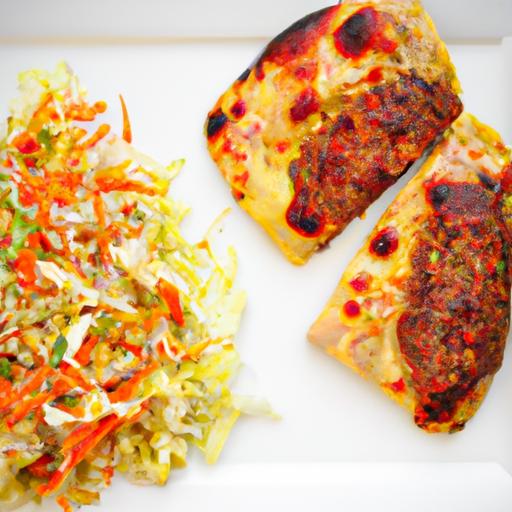

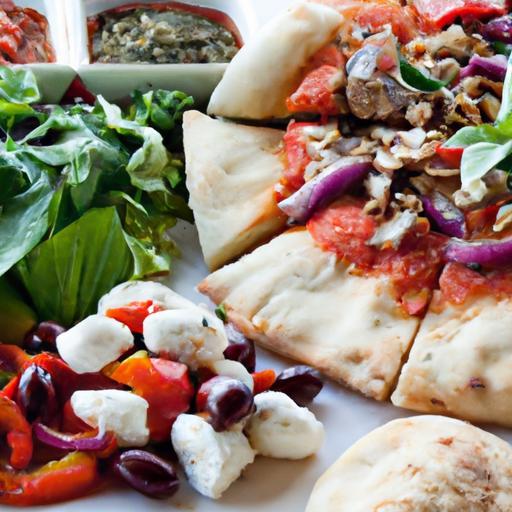
From the bustling markets of Marrakech to the cozy kitchens of Italy, flatbreads have woven themselves into the culinary fabric of cultures worldwide. These humble, versatile breads-crispy, soft, thin, or thick-serve as more than just a base for toppings; they are vessels of tradition, community, and flavor. In this article, we embark on a global journey to explore flatbread feasts that bring people together, showcasing appetizing recipes that highlight the diversity and creativity found in every corner of the world. Whether you’re craving a smoky Middle Eastern man’oushe, a fluffy Indian naan, or a crispy Mexican tortilla, prepare to be inspired by these irresistible flatbread creations that celebrate both heritage and innovation.
Flatbread Feasts offer a remarkable journey through textures and tastes, merging the ancient art of flatbread making with inventive global flavors to elevate yoru meal. From the smoky kitchens of the Middle East to the vibrant street food stalls of India and sweet Mediterranean delights, these flatbreads are a canvas for culinary creativity, perfect for both savory and sweet pairings that surprise and delight with every bite.
Prep and Cook Time
- Preparation: 15 minutes
- Resting Time: 1 hour (for dough)
- Cooking Time: 10-15 minutes
- Total: Approximately 1 hour 30 minutes
Yield
Makes 8 medium-sized flatbreads, serving 4-6 people
Difficulty Level
Medium – ideal for keen home cooks ready to experiment with dough and diverse toppings
Ingredients
- 2 cups all-purpose flour, sifted
- 3/4 cup warm water (about 110°F)
- 1 tsp active dry yeast
- 1 tsp sugar
- 1 tsp salt
- 2 tbsp olive oil, plus extra for cooking
- 1/2 cup plain yogurt (optional, for softer dough)
- Assorted toppings: caramelized onions, crumbled feta, za’atar, honey, fresh herbs, spiced ground lamb, roasted vegetables, Nutella, crushed pistachios (optional)
Instructions
- Activate yeast: In a small bowl, combine warm water, sugar, and yeast. stir gently and let stand for 5-7 minutes, until frothy and bubbly.
- Make the dough: In a large mixing bowl, combine flour and salt. Add the yeast mixture, olive oil, and yogurt (if using). mix until a rough dough forms.
- Knead: Turn dough onto a lightly floured surface and knead for 8-10 minutes until smooth and elastic. Alternatively, use a stand mixer with a dough hook attachment on medium speed.
- Rest the dough: Lightly oil a clean bowl, place the dough inside, cover with a damp towel or plastic wrap, and let rise at room temperature until doubled, about 1 hour.
- Divide and shape: Punch down the dough gently and divide it into 8 equal portions. Roll each portion into a ball and let rest for 10 minutes to relax the gluten.
- Roll out flatbreads: On a floured surface, roll each ball into an oval or circle about 1/8 inch thick. For extra flavor and crispness,brush with olive oil and sprinkle desired spices or herbs.
- Cook the flatbreads: Heat a heavy skillet or cast-iron pan over medium-high heat. Add a little olive oil. Cook one flatbread at a time for 2-3 minutes on each side, until golden brown with crispy edges and puffed spots. Adjust heat as needed to avoid burning.
- Top creatively: Add toppings immediately after cooking for warm melts or wait to cool slightly for spreading sweet toppings like honey or Nutella.
- Serve and enjoy: Stack flatbreads loosely wrapped in a clean kitchen towel to keep warm and soft while serving.
Tips for Success
- Yogurt addition: Incorporating yogurt results in tender, pliable flatbreads with a subtle tang, perfect for stuffing or layering.
- Resting the dough: Don’t skip the rise; it enhances flavor and texture remarkably.
- Heat management: Moderate pan heat ensures a beautifully crisp crust without overly charring the bread.
- Make-ahead: Dough can be refrigerated overnight, allowing for gradual fermentation and deeper flavor growth.Bring to room temperature before rolling.
- Variations: Swap olive oil with melted ghee or sesame oil for added aroma.
- Sweet option: Post-cooking, brush with honey, sprinkle cinnamon and chopped nuts for an indulgent dessert flatbread.
Serving Suggestions
Present flatbreads alongside vibrant dips like classic hummus or vibrant baba ganoush. For an inspired feast,layer with spiced ground lamb,fresh mint,and creamy yogurt for a Middle Eastern-inspired wrap. Alternatively, pile sweet flatbreads with dollops of ricotta, fresh figs, and a drizzle of honey for an elegant dessert. Garnish with fresh herbs such as cilantro, parsley, or basil to brighten flavors and add a fresh green pop visually.

| Nutrient | Per Serving |
|---|---|
| Calories | 185 kcal |
| Protein | 5 g |
| Carbohydrates | 30 g |
| Fat | 4 g |
For more on recipes rooted in global flavors, see our in-depth guide on Serious Eats’ international flatbread recipes, where tradition meets innovation.
Q&A
Q&A: Exploring “Flatbread Feasts: Delicious Recipes from Around the Globe”
Q1: What makes flatbread such a universal culinary treasure?
A1: Flatbread is one of the oldest and most adaptable foods in human history. Its simple base-usually just flour, water, and salt-makes it a blank canvas for cultures worldwide. From the soft, pillowy naans of india to the crisp, thin lavash of Armenia, flatbreads reflect local ingredients, traditions, and flavors. This universality allows flatbread to be both a humble staple and an exotic delicacy, connecting people through shared love of bread.
Q2: Which flatbread recipes are featured in this collection and why?
A2: The article journeys through a curated selection of iconic flatbread recipes: Middle Eastern pita, Mexican tortillas, Ethiopian injera, Italian focaccia, and more.Each recipe was chosen to highlight distinct techniques and regional tastes. For example, injera’s fermentation process offers tangy undertones supporting spicy stews, while Italian focaccia is celebrated for its airy crumb and herb-infused olive oil. These recipes showcase flatbread as more than just bread-it’s a gateway into culture and flavor.
Q3: How accessible are these recipes for home cooks?
A3: Very accessible! While some flatbreads might require special ingredients or fermentation time, the article includes tips for simplifying preparation without sacrificing authenticity. Step-by-step instructions demystify techniques like kneading, resting dough, and achieving the perfect bake or stovetop cook. Flatbreads are generally fast to make-perfect for home cooks eager to explore international cuisine without long waits.
Q4: What tips does the article offer for pairing flatbreads with dishes?
A4: Flatbreads naturally complement countless meals, but the article dives deeper into flavor pairing wisdom. For instance, soft and slightly sweet naan balances spiced curries, while the sour, crepe-like injera soaks up rich Ethiopian stews. Crispy lavash serves as a crunchy vessel for dips like hummus or baba ghanoush.The article encourages readers to think of flatbreads as edible plates that enhance and elevate the dishes they accompany.
Q5: Can one flatbread recipe be adapted to different dietary needs?
A5: Absolutely! Many flatbread recipes are inherently gluten-free or can be modified easily. For example, corn tortillas are naturally gluten-free, while chickpea flour can substitute wheat flour in some Mediterranean flatbreads. The article suggests ingredient swaps and notes which versions naturally accommodate vegan, gluten-free, or low-carb diets, ensuring everyone can enjoy a delicious flatbread feast.
Q6: What cultural insights can readers gain from exploring global flatbreads?
A6: Each flatbread carries stories of migration, climate, agriculture, and community rituals. Taking time to learn about flatbread traditions reveals how people adapt similar ingredients differently based on environment and history. Readers discover that what seems like a simple bread can tell tales of ancient trade routes, festive celebrations, and everyday family meals-showing food’s power to link past and present across continents.
Q7: How can experimenting with flatbreads inspire creativity in the kitchen?
A7: Flatbreads invite experimentation-from toppings and fillings to spice blends and cooking methods. The article encourages readers to try variations: roll your own stuffed parathas, grill za’atar-spiced flatbreads, or even create dessert flatbreads topped with honey and nuts. Because flatbreads are so versatile, they inspire cooks to blend tradition with personal flair, transforming mealtime into a global adventure on a plate.
Wrapping Up
From the sun-soaked shores of the Mediterranean to the bustling street markets of South Asia, flatbreads have woven themselves into the fabric of countless cultures, each bringing a unique taste and story to the table. Whether you’re rolling out dough for a classic italian focaccia, folding a warm Indian naan, or savoring a crispy Middle Eastern lavash, these flatbread feasts invite more than just eating-they invite connection, tradition, and creativity.So next time you gather with friends or family, consider turning your meal into a celebration of global flavors, one delicious flatbread at a time. After all, sometimes the simplest bread carries the richest histories.