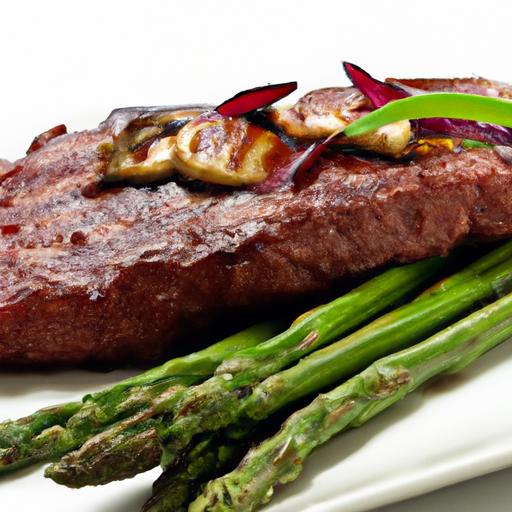

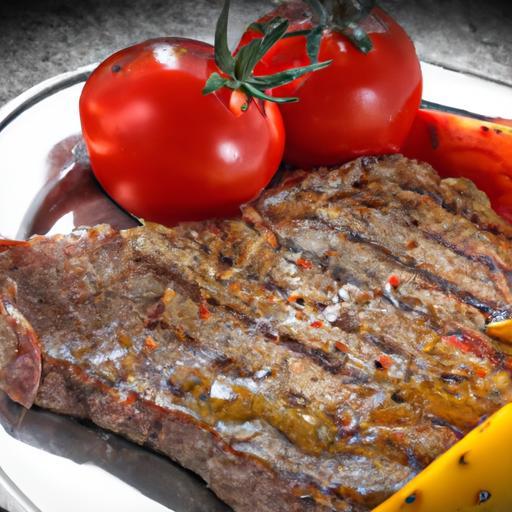
there’s a certain magic in the sizzle of a steak hitting a hot grill or pan-a sensory symphony that promises rich aroma, mouthwatering flavor, and a perfectly caramelized crust. Yet, mastering the art of grilled and pan-seared steaks goes far beyond simply heating meat over fire or steel. It’s a delicate dance of timing, temperature, seasoning, and technique, all converging to transform a simple cut into a culinary masterpiece. In this article,we’ll unlock the secrets behind achieving that flawless sear,whether you’re grilling under an open sky or pan-searing in your kitchen. Prepare to elevate your steak game with expert tips and techniques that guarantee juicy, tender, and beautifully charred results every time.
Choosing the Perfect Cut for Grilling and Pan-Searing: Unlocking the Secrets of Marinades, Seasonings, Sear, Crust, and Resting
Mastering grilled & pan-seared steaks starts with selecting a cut that performs beautifully under high heat, unlocking bold flavors thru smart marinades and seasonings, and finishing with that irresistible sear and perfectly rested juice.this culinary journey is more than just cooking-it’s an experience that transforms humble meat into an unforgettable centerpiece.
Prep and Cook Time
- Preparation: 15 minutes (excluding marinating)
- Marinating (optional): 30 minutes to 4 hours
- Cooking: 8-12 minutes
- Resting: 7-10 minutes
Yield
Serves 2 hearty portions
Difficulty Level
Medium - Ideal for home chefs ready to elevate their technique with attention to detail
Ingredients
- 2 ribeye steaks, approximately 1½ inches thick, at room temperature
- 2 tbsp olive oil or avocado oil
- Kosher salt, generous sprinkling
- Freshly cracked black pepper, to taste
- 4 garlic cloves, peeled and lightly crushed
- 2 sprigs fresh rosemary
- 2 tbsp unsalted butter
- Optional marinade: ¼ cup soy sauce, 2 tbsp Worcestershire sauce, 1 tbsp honey, 1 tsp smoked paprika
Instructions
- Prepare your steaks: Pat the ribeye steaks dry with paper towels to ensure a dry surface for searing. Apply a generous sprinkle of kosher salt and freshly cracked black pepper on both sides-seasoning early enhances flavor and crust development.
- Marinate (optional): For deeper complexity, combine soy sauce, Worcestershire sauce, honey, and smoked paprika. Let steaks soak for 30 minutes to 4 hours in the refrigerator, turning once. Remove from marinade and pat dry before cooking to maintain searing quality.
- Heat your cooking surface: Preheat a cast-iron skillet or grill to high heat until it’s smoking hot. A blazing hot surface is essential for achieving the coveted sear and crust.
- Oil and sear: Lightly brush steaks with olive oil. Place steaks on the pan or grill and allow them to sear undisturbed for 3-4 minutes; do not press down. This promotes a golden, crispy crust packed with flavor.
- Flip and aromatics: Turn steaks over, add garlic cloves, rosemary, and butter to the pan. tilt the pan slightly and spoon the melted butter over the steaks continuously for about 3-4 more minutes,basting for juiciness and aroma.
- Check doneness: Use a meat thermometer to ensure ideal internal temperatures-130°F (54°C) for medium-rare. Cooking times may vary depending on steak thickness and heat.
- Rest your steak: Transfer steaks to a cutting board and tent loosely with foil. Resting for 7-10 minutes allows juices to redistribute evenly, locking in maximum moisture and tenderness.
- Serve and slice: Slice against the grain and plate with your preferred sides, letting the golden crust and perfectly juicy interior shine on every bite.
Tips for Success
- Choosing the cut: Ribeye, New York strip, or filet mignon are top choices for grilling and pan-searing due to their fat marbling and tenderness.
- Seasoning simplicity: Quality steak needs little-salt and pepper are frequently enough all that’s required to elevate its natural flavor.
- Avoid overcrowding: Cook steaks one or two at a time to maintain high pan heat and prevent steaming.
- Resting matters: Resist the temptation to slice immediately. Proper resting prevents precious juices from running out.
- Make-ahead: Steaks can be marinated the night before for enhanced flavor; just pat dry thoroughly before cooking.
Serving Suggestions
Present your perfectly grilled or pan-seared steak alongside a vibrant chimichurri sauce or a pat of compound herb butter melting atop. For a balanced plate, complement with roasted garlic mashed potatoes, grilled asparagus, or a crisp arugula salad tossed in lemon vinaigrette. Garnish with a sprinkle of flaky sea salt and a few fresh rosemary leaves for that elegant touch.

| Nutrient | Per Serving (1 steak) |
|---|---|
| Calories | 650 kcal |
| Protein | 62 g |
| Carbohydrates | 1 g |
| Fat | 45 g |
For more expert steak techniques and flavor inspiration, visit our Ultimate Steak Grilling Guide. To deepen your understanding of food science behind heat and meat, explore the resources at USDA Food Safety & inspection Service.
Q&A
Q&A: Mastering Grilled & Pan-seared Steaks – Techniques & Tips
Q1: What’s the secret to a perfectly grilled steak?
A: At its core, a perfect grilled steak thrives on simplicity and control. Start with a well-marbled cut, season generously with salt and pepper, and let the meat come to room temperature before hitting the grill.Preheat the grill to high heat to create that iconic sear, locking in juices and flavor. Resist the urge to constantly flip-it’s all about patience. Let the steak char for 3-4 minutes per side (depending on thickness), then use the “touch test” to gauge doneness. Resting the steak for 5-10 minutes post-grill allows the juices to redistribute, ensuring every bite bursts with flavor.Q2: How does pan-searing differ from grilling, and what’s the advantage?
A: Pan-searing offers unparalleled control over heat and environment. Unlike grilling’s open flame, pan-searing occurs in a hot, heavy skillet-usually cast iron-which evenly distributes heat and develops a luscious crust. The beauty lies in the ability to cook indoors, produce consistent caramelization, and finish the steak with decadent add-ins like butter, garlic, and fresh herbs. Plus, pan-searing makes it easy to baste, infusing your steak with added richness and complexity.
Q3: Should I marinate my steak before cooking?
A: For premium cuts like ribeye or strip steak, it’s generally best to embrace the natural beefy flavor with just a simple seasoning of salt and pepper. Marinades shine on tougher or leaner cuts (think flank or skirt steak), where acidity and enzymes help tenderize the meat. However, if you love experimenting, a speedy marinade with garlic, soy, and a splash of acid can elevate the flavor profile.Just remember-over-marinating can mask the steak’s natural essence.
Q4: What’s the ideal thickness for grilling or pan-searing steak?
A: Thickness matters! For grilling, aim for cuts about 1 to 1.5 inches thick-thinner steaks cook quickly but risk overcooking,while thicker cuts allow for that perfect medium-rare center with a seared exterior. Pan-searing thrives with similar thickness but can also handle slightly thinner cuts, since the skillet’s heat is more immediate. Thicker steaks may benefit from a two-step method: sear first, then finish in a preheated oven for even cooking.
Q5: How do I know when my steak is done without a thermometer?
A: Enter the classic “finger test” for doneness. Lightly press the steak’s surface with your finger or tongs and compare the firmness to different parts of your hand: rare feels like the fleshy part under your thumb when your hand is relaxed, medium-rare is firmer with your thumb pressed to your middle finger, medium matches thumb to ring finger, and well-done feels like thumb to pinky. It’s intuitive once you try it and highly reliable with practice!
Q6: Any tips for enhancing flavor during pan-searing?
A: Absolutely-don’t just stop at salt and pepper. Once your steak is nearly cooked, add a couple of tablespoons of cold butter, smashed garlic cloves, and sprigs of thyme or rosemary to the pan. Tilt the skillet and use a spoon to baste the melted butter over the steak repeatedly. This aromatic drizzle creates a glossy, deeply flavored crust. Finish with a sprinkle of flaky sea salt for a perfect bite.
Q7: How critically important is steak resting, and why?
A: Resting is the unsung hero in steak mastery. Cutting into a steak right off the grill or pan causes all the flavorful juices to escape onto your plate, leaving dry meat behind. Allowing the steak to rest (tent loosely with foil) for 5 to 10 minutes gives those juices time to redistribute throughout the muscle fibers-resulting in a moist, tender bite every time.
Q8: Can I combine grilling and pan-searing techniques?
A: Definitely! For thick steaks, a hybrid approach works wonders. Start on the hot grill to get those signature char marks and smoky depth, then transfer to a preheated pan to finish cooking and baste with butter and herbs.This method marries the best of both worlds-grill flavor with rich pan-seared crust-showcasing your mastery of steak craft.
Mastering the art of grilled and pan-seared steaks is more than technique-it’s a flavorful dance between heat,time,and intuition. With these questions answered, you’re ready to flip, sear, and savor steak perfection like a pro!
The Way Forward
As you close the chapter on mastering grilled and pan-seared steaks, remember that each sear, each flip, and each resting moment is a step toward steak perfection. With the right techniques and a sprinkle of patience, you’re not just cooking-you’re crafting an experience that transforms simple cuts into mouthwatering masterpieces. Whether you favor the smoky char of the grill or the caramelized crust from a hot pan, these tips are your secret ingredients to steakhouse-worthy results right at home. So fire up your grill or heat that skillet, and let every bite tell the story of your culinary confidence.Your journey to steak mastery starts now-one deliciously seared steak at a time.