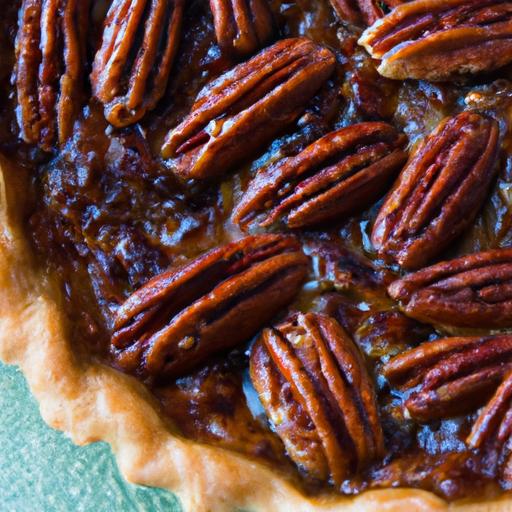

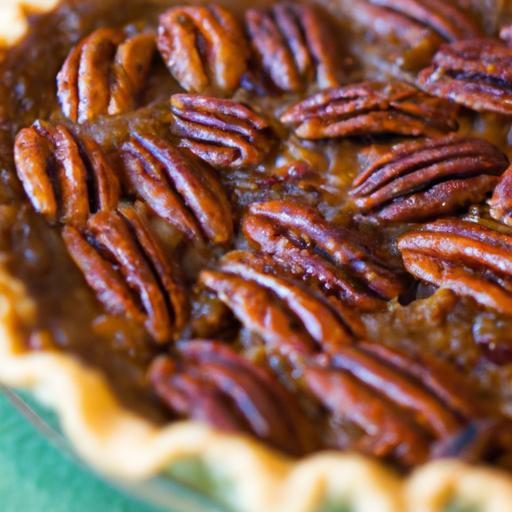
There’s a certain magic in teh golden-brown crust, the glossy, caramelized filling, and the buttery crunch of pecans nestled atop-a perfect pecan pie is more than just a dessert; it’s a symphony of chemistry and craft. Behind every slice lies a delicate balance of sugars, fats, and heat transforming humble ingredients into a rich, luscious marvel. This article dives into the sweet science that turns simple pantry staples into that iconic Southern treat, revealing how precise measurements, timing, and techniques come together to unlock pecan pie perfection. Whether you’re a seasoned baker or a curious kitchen alchemist, join us as we explore the tasty intersection of flavor, texture, and science that makes pecan pie much more than just a pie.
The Sweet Science Behind Perfect Pecan Pie recipes: Understanding the Role of Sugar and Caramelization in Pecan Pie Filling
Embarking on the journey to create a flawless pecan pie begins wiht unlocking the sweet science behind perfect pecan pie recipes. This classic Southern dessert owes its magic to the intricate dance between sugar and caramelization, which delivers that irresistible glossy filling that’s rich yet silky. Each element-from choosing the ideal pecans to mastering the custard balance and the crust-plays a pivotal role in transforming simple ingredients into a slice of pure autumnal bliss.
Prep and Cook Time
- Preparation: 20 minutes
- Chilling (optional crust rest): 30 minutes
- Cooking: 55 minutes
- Total time: 1 hour 45 minutes
Yield
- Serves 8 generous slices
Difficulty Level
- Medium - Perfect for bakers comfortable handling pastry and custards
Ingredients
- 1 1/2 cups all-purpose flour, sifted
- 1/2 tsp fine sea salt
- 1/2 cup unsalted butter, cold and cubed
- 3 to 4 tbsp ice water
- 1 cup light corn syrup
- 1 cup packed dark brown sugar
- 1/4 cup unsalted butter, melted
- 3 large eggs, lightly beaten
- 1 1/2 tsp pure vanilla extract
- 1/4 tsp kosher salt
- 2 cups pecan halves, carefully selected (see tips)
Instructions
- Make the crust: In a large bowl, combine the sifted flour and sea salt. Cut in the cold cubed butter using a pastry cutter or fingertips until the mixture resembles coarse crumbs with pea-sized butter bits.
- Add ice water gradually, one tablespoon at a time, stirring gently until the dough just begins to clump. Avoid overworking to keep it flaky.
- Shape dough into a disk,wrap in plastic wrap,and refrigerate for at least 30 minutes to relax the gluten.
- Preheat oven to 350°F (175°C). On a lightly floured surface, roll out the chilled dough into a 12-inch circle and fit it gently into a 9-inch pie pan, crimping the edges decoratively.
- Blind bake the crust by lining it with parchment paper and filling with pie weights or dried beans.Bake for 15 minutes, then carefully remove weights and paper, and bake 5 minutes more until just starting to brown. This prevents a soggy bottom.
- Prepare the filling: In a large bowl, whisk together the light corn syrup, dark brown sugar, melted butter, eggs, vanilla extract, and kosher salt until entirely smooth.
- Sprinkle half the pecan halves evenly onto the pre-baked crust. pour half the filling over them, then top with remaining pecans. This layering ensures every bite bursts with crunchy nuttiness encased in sweet silkiness.
- Bake on a middle rack for 50 to 55 minutes, or until the filling is set but still slightly jiggly in the center like custard, deep caramelized edges forming around the nuts.
- Cool on a wire rack for at least 2 hours before slicing. This resting time allows caramelization to fully set, avoiding a runny pie.
Tips for Success: Balancing the Custard & Pecans
- Choosing the right pecans: Opt for pecan halves with uniform size and rich color. Varieties like Stuart or Desirable boast buttery flavor and crunch, perfect for maximum textural contrast.
- Mastering caramelization: Use a combination of brown sugar and corn syrup-the syrup controls crystallization for smooth filling, while brown sugar adds depth and that signature caramel flavor.
- Custard consistency: Whisk eggs well but avoid overbeating to prevent bubbles that form holes in the custard. Aim for a glossy,silky pour; this balance is the key to melt-in-your-mouth texture.
- Crust considerations: blind baking ensures your crust stays crisp beneath the moist filling. Keep butter cold and incorporate ice water slowly to avoid toughness.
- Make-ahead tip: Pie can be baked a day in advance and stored chilled, then warmed gently before serving.
Serving Suggestions
Serve slices warm or at room temperature with a scooping dollop of vanilla bean ice cream or softly whipped cream gently dusted with cinnamon. Decorate the plate with lightly toasted pecan halves and a drizzle of warm honey or caramel sauce for visual appeal and that extra layer of sweet and nutty delight.

Nutritional Information (per Serving)
| Calories | Protein | Carbohydrates | Fat |
|---|---|---|---|
| 420 kcal | 5 g | 50 g | 22 g |
For a deeper dive into perfect pie crust techniques, be sure to explore our detailed guide. Also,discover how the science of sugar caramelization influences baking textures and flavors in this authoritative study.
Q&A
Q&A: The Sweet Science Behind Perfect Pecan Pie Recipes
Q1: What makes pecan pie so irresistibly delicious?
A1: Pecan pie’s allure lies in its harmonious balance of textures and flavors-the crunchy, toasted pecans atop a gooey, caramel-like filling nestled within a flaky crust. This interplay of nutty, buttery, sweet, and slightly salty elements creates a symphony for your taste buds. Scientifically,the magic happens through the Maillard reaction (browning of nuts),sugar caramelization,and the setting of custard-like filling from eggs and corn syrup.
Q2: Why is corn syrup a key ingredient in pecan pie? Can it be substituted?
A2: Corn syrup acts as a sweetener and a stabilizer, preventing the sugar from crystallizing and ensuring that luscious, jammy texture in the filling. Its unique molecular structure locks moisture in, giving pecan pie that signature chewy softness. While alternatives like maple syrup, honey, or brown sugar blends can provide interesting flavors, they may change the texture and the way the filling sets.
Q3: How crucial is the crust in perfecting pecan pie?
A3: The crust is the essential foundation-it should be buttery and flaky, yet sturdy enough to hold the heavy filling without becoming soggy. Achieving this involves cold fats (like butter or shortening) cut into flour to create flaky layers.Blind baking the crust slightly before adding the filling prevents excess moisture from soaking through, preserving crispness.
Q4: What role do eggs play in pecan pie filling?
A4: Eggs are the structural heroes in pecan pie. Their proteins coagulate upon baking, transforming the liquid mixture into a firm but tender custard that holds the nuts evenly suspended. Without eggs, the filling would remain runny and unable to slice cleanly.
Q5: Can toasting the pecans really change the flavor of the pie?
A5: Absolutely! Toasting pecans awakens their natural oils,intensifying their nutty aroma and adding a subtle smoky depth. This step creates a richer flavor profile and a more satisfying crunch, elevating the pie from good to unforgettable.
Q6: Is there a science-backed trick to prevent a pecan pie from weeping (releasing liquid after baking)?
A6: To minimize weeping, it’s crucial to balance moisture and sugar content and bake the pie long enough for the filling to set fully but not burn.Using a precise ratio of eggs to liquid sweeteners helps, as too much liquid causes separation. Additionally, allowing the pie to cool completely before slicing stabilizes the filling and reduces leakage.
Q7: does the type of sugar used affect the final flavor and texture?
A7: Yes! Brown sugar, with its molasses content, lends a deeper, caramel-like taste and slightly denser texture, while white sugar creates a lighter, cleaner sweetness. Some recipes combine sugars to harness both texture and flavor nuances. Chemically, the molasses provides extra moisture and acidity, influencing browning and tenderness.
Q8: How can one incorporate a creative twist while respecting the science behind perfect pecan pie?
A8: Play with flavors that complement the core chemistry-like adding a pinch of sea salt to enhance sweetness, a splash of bourbon to enrich complexity, or a hint of vanilla or cinnamon to warm the palate. Just keep an eye on moisture and sugar balance to maintain the pie’s structural integrity.
This Q&A uncovers how understanding the science behind each element of pecan pie helps turn a classic comfort dessert into a flawless masterpiece-proof that baking is sweet alchemy at its finest!
Final Thoughts
As the final slice of pecan pie melts on your tongue, you begin to appreciate the intricate dance of chemistry and craft behind this beloved dessert. From the precise balance of sugar and fat to the delicate coagulation of eggs that give the filling its signature silkiness, every ingredient plays a pivotal role in achieving that perfect pecan pie experience. Understanding the sweet science not only deepens your appreciation but empowers you to experiment and make the recipe your own. So next time you pull a golden, glistening pecan pie from the oven, remember: it’s not just a treat-it’s a masterpiece of culinary chemistry crafted with both art and exactitude.