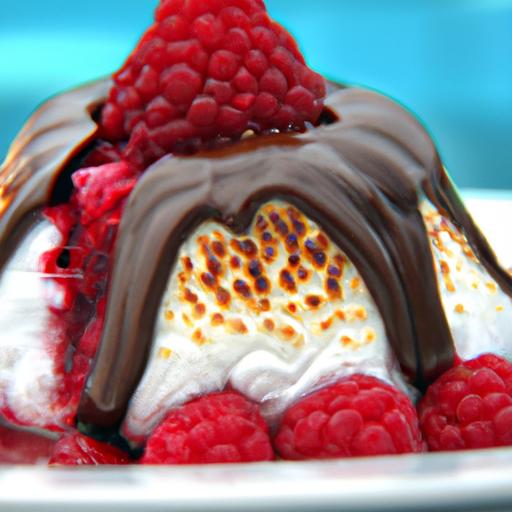

Imagine a dessert that dances on the tongue with icy coolness before erupting into a warm, caramelized crescendo-a theatrical finale that’s as much about spectacle as it is about flavor.Baked Alaska, the enigmatic masterpiece that marries ice cream and cake beneath a golden, blazing meringue, has thrilled dessert lovers for centuries. But beyond it’s fiery facade lies a fascinating history, clever culinary techniques, and a delicate balance of textures that transform simple ingredients into an unforgettable experience. Join us as we uncover the secrets behind this fiery frozen delight, exploring how science and artistry come together to create the magic of Baked Alaska.
The Art of balancing Fire and Ice in Baked Alaska
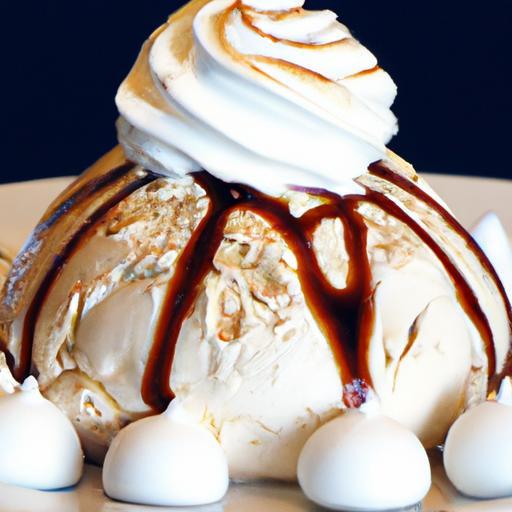
Baked Alaska is a dazzling showcase of contrasts-fiery meringue embracing icy, creamy ice cream atop a tender sponge base. This classic dessert’s magic comes from the perfect harmony of temperatures and textures. The secret lies in assembling components that withstand the oven’s intense heat without melting the frozen core, creating an impressive play of fire and ice that delights both the eyes and palate.
Originating in the 19th century, this dish celebrates culinary daring, marrying frozen indulgence with flambé drama. To master it,start with a dense yet tender cake,a rich and resilient ice cream,and a cloud-like meringue that sears to a golden brown. This equilibrium is essential to truly experience the Baked Alaska allure.
Choosing the Perfect Ingredients for an Impressive Baked Alaska
- Vanilla or sponge cake base: Choose a buttery and moist cake that’s sturdy enough to hold everything. Pound cake or genoise are excellent options.
- Rich ice cream: Use a dense, high-fat ice cream like French vanilla or chocolate, as it won’t melt quickly under heat.
- Egg whites: Fresh, room-temperature eggs yield the best meringue volume.
- Cream of tartar or white vinegar: These acidifiers stabilize the meringue, ensuring firm peaks and a glossy finish.
- Granulated sugar: Slowly incorporated for a silken, candlelit flame effect on the meringue’s exterior.
- Optional liqueur or brandy: For flambé-a small splash adds depth and spectacle when igniting.
Mastering the Meringue Technique for a Flawless Fiery Finish
The meringue is the showstopper of Baked Alaska, both visually and technically.achieving resilient meringue that browns beautifully without collapsing requires precise whipping and layering. Begin by beating egg whites with a pinch of cream of tartar until soft peaks form. Gradually add sugar to create stiff, glossy peaks. The texture should be spreadable yet firm enough to form a thick layer enveloping the ice cream, leaving no gaps for heat to sneak in.
When applying, create deliberate decorative swirls or peaks with a spatula or piping bag to help catch the flame’s glow. Bake at a high oven temperature for a short time, or use a kitchen torch for controlled caramelization. This golden crust seals the cold underneath, creating a breathtaking interplay of molten warmth and frozen chill.
Pro Tips for Serving and Impressing Your Guests with Baked Alaska
- Prep in advance: Assemble the cake and ice cream layer, freeze overnight for steadfast structure.
- Meringue last-minute: For maximum puff and peak, add the meringue just before baking/torch.
- Room temperature serving plate: Use chilled plates to slightly contrast with the warm meringue shell.
- Impress with flambé: Carefully ignite a splash of warmed liqueur around the dessert for a dramatic finish.
- Garnish elegantly: Fresh berries, edible flowers, or a dusting of powdered sugar enhance visual appeal and add fresh notes.
Recipe: Fiery frozen Delight Baked Alaska
Prep and Cook Time: 1 hour prep (plus overnight freeze), 10 minutes cooking
Yield: Serves 6
Difficulty Level: Advanced
ingredients
- 1 8-inch round vanilla sponge cake, cooled
- 1 quart high-quality vanilla ice cream, slightly softened
- 4 large egg whites, room temperature
- 1/2 tsp cream of tartar
- 1 cup granulated sugar
- 2 tbsp light rum or brandy (optional, for flambé)
Instructions
- Prep the base: Place the sponge cake on a freezer-safe plate. Scoop softened ice cream and mold it into a dome shape atop the cake. Freeze for at least 4 hours or overnight until firm.
- Beat the meringue: In a clean bowl, whisk egg whites and cream of tartar on medium speed until soft peaks form. gradually add sugar, increasing speed to high, whipping until stiff, shiny peaks appear.
- Coat the ice cream and cake: Remove the cake and ice cream dome from the freezer. Immediately spread meringue over the entire surface, sealing seams and leaving no gaps, creating decorative peaks with the back of a spoon or spatula.
- Sear the meringue: Preheat your oven to 500°F (260°C) and bake the dessert for 3-5 minutes until the meringue is golden brown.Alternatively, use a kitchen torch for more controlled browning and an even finish.
- Flambé (optional): Warm the rum or brandy slightly. Carefully pour over the baked Alaska and ignite with a long lighter to create a vibrant flame. Allow flame to subside naturally.
- Serve immediately: Slice with a sharp knife, revealing the stunning contrast between the warm, toasty meringue and the frozen ice cream center.
Chef’s Notes and Tips for Success
- Use a sturdy cake base like pound cake or genoise to avoid sogginess under the ice cream.
- Whip egg whites in a metal or glass bowl free of any grease for maximum volume.
- For a dramatic flair, pipe meringue spikes that catch the flame beautifully.
- if oven browning feels intimidating, a culinary torch offers precision and control.
- For make-ahead convenience, assemble the cake and ice cream base in advance but add the meringue just before finishing.
Serving Suggestions
Present your Baked Alaska on a chilled porcelain platter to enhance the sensory experience of temperature contrast. Garnish with a scattering of fresh raspberries or sliced star fruit for a pop of color. A dusting of powdered sugar mimics frost, while edible flowers add elegance. Pair with a light sparkling wine for a refined finish.
| Nutrient | Per Serving |
|---|---|
| Calories | 420 kcal |
| Protein | 6 g |
| Carbohydrates | 50 g |
| Fat | 22 g |

For more classic desserts that balance textures and flavors, check out our Complete Guide to Classic Desserts.To understand the science behind meringue, visit Serious eats’ detailed explanation, an invaluable resource for achieving perfect peaks every time.
Q&A
Q&A: Baked Alaska – Secrets Behind the Fiery Frozen Delight
Q1: What exactly is Baked alaska?
A: Baked Alaska is a dazzling dessert that marries hot and cold in one spectacular plate. It features a core of ice cream sitting atop a sponge cake or brownie base,all enveloped in a thick layer of toasted meringue. when baked briefly at high heat, the meringue crisps up golden brown, creating a warm exterior that guards the still-frozen surprise inside.It’s the ultimate culinary paradox: fire kissing ice.
Q2: How does the ice cream stay frozen while the meringue is baked?
A: The secret lies in the insulating power of the meringue itself. Whipped egg whites trap air, forming a fluffy protective barrier around the ice cream. When the dessert hits the oven or torch, the heat toasts the meringue’s surface incredibly quickly-usually under five minutes-without having enough time to melt the ice cream inside. It’s a delicate dance of timing and temperature.
Q3: Where did Baked Alaska come from?
A: The origins of Baked Alaska are as dramatic as the dessert. it’s believed to have been popularized in the united States in the mid-19th century, reportedly invented by the famous french chef Charles Ranhofer of Delmonico’s Restaurant in New York.The dish was named to commemorate the U.S. acquisition of Alaska from Russia in 1867-a whimsical nod to the contrast of icy interior and fiery exterior.
Q4: What kinds of meringue are best for Baked Alaska?
A: For baked Alaska, the sturdy Swiss or Italian meringues reign supreme because they hold up beautifully under heat without weeping or collapsing. Italian meringue, made by slowly pouring hot sugar syrup into egg whites while whipping, is particularly stable and glossy.This resilience ensures a crisp shell that perfectly encases the frozen core.
Q5: Are there any creative twists on the classic Baked Alaska?
A: Absolutely! Modern chefs love to experiment-think exotic ice cream flavors like passionfruit or green tea, vibrant sponge cakes infused with spices or liqueurs, or even miniature individual portions flambéed tableside. Some swap traditional cake for brownie or cookie bases, while others use flavored meringues or add a drizzle of rich chocolate sauce to amp up the drama.
Q6: What’s the best way to serve Baked Alaska to impress guests?
A: Presentation is everything. Serve Baked Alaska straight from the oven or right after flambéing for a theatrical flair, ideally on a chilled plate to help keep the ice cream frozen. Adding fresh berries, a sprinkle of edible flowers, or a dusting of powdered sugar can elevate the visual wow-factor.And don’t forget a sharp knife for slicing through the crisp meringue to reveal the surprise inside!
Q7: Can baked Alaska be made at home without special equipment?
A: definitely! While a kitchen blowtorch or broiler helps achieve the perfect browning, a hot oven set to high with careful timing can do the trick. The key is preparing all components ahead, assembling quickly, and baking just minutes before serving. With a bit of practice and patience, anyone can master this captivating dessert and become the magician of hot-and-cold contrasts in their own kitchen.
Baked Alaska remains a timeless test of culinary skill and artistic flair-a fiery frozen delight that continues to charm and mystify both chefs and dessert lovers alike.
Concluding Remarks
As the final flames subside and the chilled core remains untouched beneath its golden, blazing exterior, Baked Alaska stands as a testament to culinary ingenuity-a dessert that marries fire and ice in a dazzling dance of contrasts.Understanding the science and history behind this fiery frozen delight not only deepens our appreciation for its dramatic presentation but also invites us to savor every layered bite with newfound wonder. So next time you witness that flambéed spectacle, remember: beneath the flames lies a delicate balance of technique and tradition, a sweet secret waiting to be discovered.