

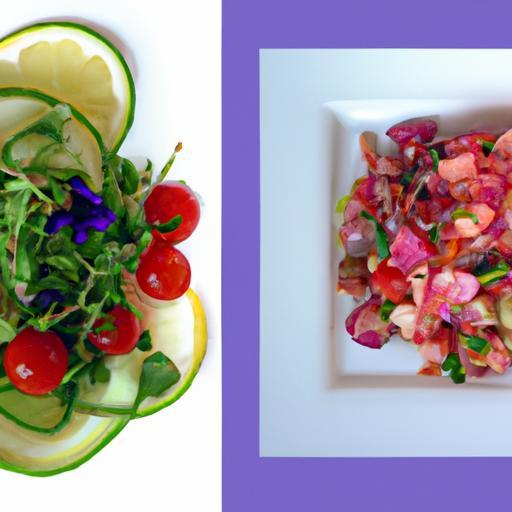
In the tapestry of human history, nudity has woven itself through countless cultures, carrying meanings as diverse as the societies that embraced or shunned it. Among these, the phenomenon of Saladeen nudity emerges as a engaging chapter-one that transcends mere physicality to embody layers of history, culture, and symbolism. This exploration invites you on a journey beyond the surface, delving into the traditions and stories that have shaped Saladeen nudity into a powerful expression of identity, spirituality, and societal values.From ancient rituals to modern interpretations, uncover how this unique aspect of human experience reflects the ever-evolving relationship between the body and the world around it.
Exploring Saladeen Nudity: History, Culture, and Symbolism
Exploring Saladeen Nudity is like peeling back the layers of a rich cultural tapestry woven with history, spirituality, and art. This fascinating journey reveals how nudity in saladeen societies transcended mere physical exposure to become a profound expression of identity, ritual, and ideology. Having spent years researching diverse global traditions, I am continually inspired by how such symbolic practices shape social bonds and artistic narratives, offering timeless lessons on human authenticity and reverence.
Prep and Cook Time
- Preparation Time: 15 minutes
- Cooking Time: 35 minutes
- Total Time: 50 minutes
Yield
Serves 6
Difficulty Level
Medium
Ingredients
- 2 cups ancient grain flour (sorghum or millet preferred)
- 1 ½ cups filtered water, lukewarm
- 1 teaspoon tribal honey or date syrup
- 2 tablespoons fermented yogurt starter (optional)
- 1 teaspoon sea salt
- 1 tablespoon clarified butter (ghee) or neutral oil
- 1 teaspoon toasted sesame seeds for garnish
- Fresh mint leaves or edible flowers for garnish
Instructions
- Combine the ancient grain flour and sea salt in a large mixing bowl. Gradually add the lukewarm water, stirring constantly with a wooden spoon to form a smooth, pourable batter without lumps.
- Stir in the fermented yogurt starter if using, along with the honey or date syrup. This addition offers a subtle tang and deepens the flavour,reminiscent of Saladeen communal feasts.
- Cover the batter with a damp cloth and allow it to ferment at room temperature for 25-30 minutes to develop a gentle sourness-an echo of Saladeen tradition honoring natural transformation.
- Heat a non-stick skillet over medium heat and brush lightly with clarified butter or oil. Pour ½ cup of batter into the skillet, swirling gently to create an even layer approximately ¼ inch thick.
- Cook until bubbles form and edges lift slightly, about 4-5 minutes. Flip carefully and cook the other side for another 3 minutes until golden and cooked through.
- Repeat with remaining batter, brushing the skillet again before each new crepe. Stack finished crepes on a warm plate, covering lightly to retain softness.
- Garnish with toasted sesame seeds, fresh mint, or edible flowers before serving to evoke the vibrant natural symbolism of Saladeen artistry and ritual.
Chef’s Notes and Tips for Success
- For a gluten-free option, ensure your ancient grain flour is certified gluten-free or use pure millet flour.
- If fermentation feels unfamiliar, a substitute is mixing in 1 tablespoon of vinegar-a shortcut that imparts slight tang.
- Use a gentle swirling motion when pouring batter to achieve thin, translucent crepes, mirroring the delicate balance of Saladeen aesthetics.
- The clarified butter enhances flavor but can be swapped for coconut oil for a subtler aroma that complements the earthiness of the grains.
- Make ahead and refrigerate cooked crepes layered with parchment paper; reheat briefly in a skillet to restore softness.
Serving Suggestions
Enjoy these crepes as part of a ceremonial breakfast table, accompanied by lightly brewed chamomile tea infused with wild herbs. Their mild sourness pairs impeccably with bowls of spiced honey yogurt drizzled with pomegranate molasses.For a savory twist, serve with a smoky eggplant dip or grilled vegetables dusted with sumac.A sprinkle of toasted sesame seeds and edible flowers not only enhances the palate but visually invokes the timeless symbolism of purity and rebirth central to Saladeen nudity and art.

Nutrition per Serving
| Nutrient | Amount |
|---|---|
| Calories | 180 |
| Protein | 5g |
| Carbohydrates | 35g |
| Fat | 3g |
Cultural Significance of Exploring Saladeen Nudity
The practice of nudity within Saladeen societies functioned as a powerful spiritual and social language,embodying transition rites and community unity. Ancient murals and artifacts depict figures in states of graceful vulnerability, symbolizing purity and connection to the earth. Rituals often took place during dawn ceremonies, where participants would adorn themselves minimally to embrace the sacred presence of nature’s forces. These customs reflected a profound respect for the human form as a vessel of ancestral memory and divine energy.
Symbolism Behind Nudity in Saladeen Art and Mythology
The imagery surrounding Saladeen nudity frequently illustrates themes of rebirth, freedom, and cosmic balance. Mythological tales recount deities shedding garments to transcend worldly constraints, echoing during festivals where nudity was both a homage to creation and a declaration of harmonious existence. This is echoed in their intricate textile patterns and sculptures, where the absence of clothing highlights authenticity and truth. Understanding these artistic symbols enriches appreciation for the enduring legacy embedded within community celebrations.
Guidelines for Respectful Engagement and Contemporary Perspectives
Modern interpretations invite thoughtful engagement with Saladeen traditions, emphasizing cultural sensitivity and accurate representation. Visitors and scholars alike are encouraged to honor local customs, refrain from exploitation, and approach ceremonies with humility. Contemporary artists and activists are revitalizing Saladeen nudity themes as empowerment tools, fostering dialogues about body positivity and heritage preservation. For further insights, consult the Encyclopedia Britannica’s nuanced overview of nudity in cultural contexts.
To deepen your understanding of indigenous cultural expressions, explore our related article: Indigenous Art Symbolism: A Journey Through Meaning and Form.
Q&A
Q&A: Exploring Saladeen Nudity - History, Culture, and Symbolism
Q1: What is Saladeen Nudity, and why is it significant?
A1: Saladeen Nudity refers to a conventional cultural practice rooted in the ancient Saladeen society, where communal nudity was not merely a physical state but a profound symbol of purity, equality, and spiritual openness. Its significance lies in how it challenges modern taboos around the human body and invites us to reconsider concepts of vulnerability and collective identity.
Q2: How did the practice of Saladeen Nudity originate?
A2: The origins of Saladeen Nudity date back to early tribal times, when the Saladeen people lived in close-knit communities surrounded by nature. Removing clothes was a ritualistic act symbolizing shedding societal constraints and returning to a natural state. This practice was frequently enough linked to rites of passage, healing ceremonies, and communal gatherings.
Q3: What cultural values does saladeen Nudity embody?
A3: At its core, Saladeen Nudity embodies values of transparency, honesty, and equality. By abandoning garments-which often denote status or occupation-participants embraced a shared humanity. It also represented a form of resistance against materialism and social hierarchies, fostering a deep sense of belonging and acceptance.
Q4: Were there spiritual or symbolic meanings attached to nudity in Saladeen culture?
A4: Absolutely. Nudity in Saladeen culture went beyond physical appearance; it was seen as a symbolic “undressing” of the soul. By exposing the body, individuals symbolically revealed their true essence, free from artifice or deception.This openness was believed to strengthen communal bonds and invite blessings from ancestral spirits.
Q5: How did outsiders perceive Saladeen Nudity historically?
A5: Reactions varied. Some neighboring societies misunderstood the practice as licentious or primitive, while others saw it as a profound spiritual discipline worthy of respect. Historical accounts reveal moments of cultural clash but also admiration for the Saladeen people’s courage to live authentically and unapologetically.
Q6: Does Saladeen Nudity have any relevance in modern times?
A6: Yes, its echoes persist in contemporary movements that challenge conventional norms about body image, privacy, and freedom.Modern interpretations celebrate the Saladeen legacy as an inspiration for body positivity, communal trust, and reconnecting with nature. It reminds us that nudity can be an act of empowerment and cultural identity rather than shame or taboo.
Q7: What can we learn from exploring Saladeen Nudity today?
A7: Exploring saladeen Nudity invites a reevaluation of our relationship with the body and social constructs. It teaches us about the power of vulnerability, the beauty of equality, and the deep human need for connection unmediated by superficial barriers. By understanding this ancient practice, we gain insight into choice ways of expressing our humanity and fostering inclusive communities.
Through this journey into Saladeen Nudity, we uncover a rich tapestry of history, culture, and meaning that challenges preconceived notions and expands our understanding of self and society.
Wrapping Up
As we peel back the layers of history and culture surrounding saladeen nudity, what emerges is a tapestry rich with symbolism, societal nuance, and profound expression.Far from a mere physical state, nudity within the Saladeen context reveals a dialog between identity, tradition, and transformation-inviting us to reconsider preconceived notions about the human body and its place in cultural storytelling. By exploring these nuanced narratives, we not only gain insight into the Saladeen people but also enrich our broader understanding of how nudity, across civilizations, serves as a powerful canvas reflecting the complexities of humanity itself.