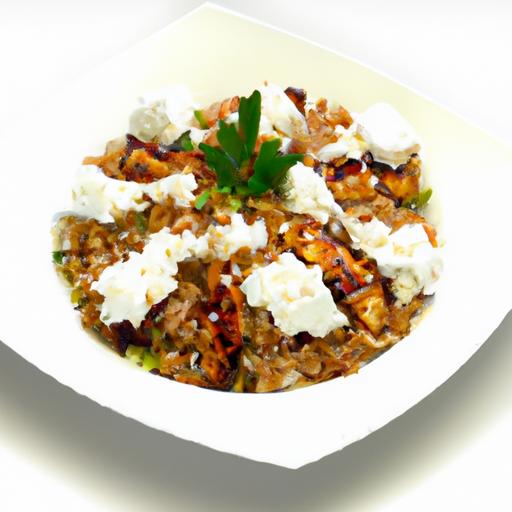

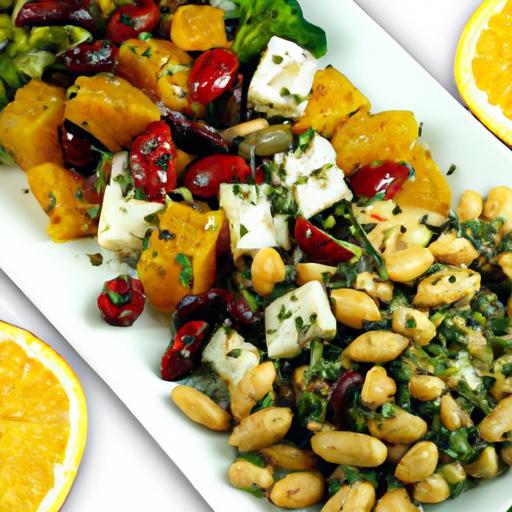
Imagine stepping into a sun-drenched village in the heart of Greece, where the air is rich with the aroma of fresh herbs, tangy cheeses, adn ripe olives. Greek cuisine is a vibrant tapestry woven with centuries of tradition and bursting with bold, savory flavors. While many are familiar with iconic dishes like moussaka and souvlaki, the true magic often lies in the side dishes-those humble plates that bring balance, color, and a burst of taste to every meal. In this flavorful journey to Greece, we’ll explore a selection of savory side dishes that capture the essence of Greek cooking, transporting your palate to the Mediterranean with every bite. from zesty lemon potatoes to creamy tzatziki and beyond, these sides are not just accompaniments-they’re an invitation to experience Greece’s culinary soul.
Exploring Conventional Ingredients That Define Greek Side Dishes
Savory greek side dishes are a celebration of vibrant, sun-kissed ingredients that transport you straight to the heart of the Mediterranean. From fragrant herbs like oregano and dill to ingredients such as tangy feta cheese and briny olives, these components craft a unique flavor tapestry that’s both rustic and sophisticated. incorporating authentic elements like extra virgin olive oil, fresh lemon juice, and earthy vegetables such as eggplant and zucchini, traditional Greek sides create the perfect symphony of tastes that complement any meal.
One cannot speak of Greek side dishes without mentioning the iconic horiatiki (Greek village salad), where fresh tomatoes, crisp cucumbers, and sharp red onions mingle with creamy feta and capers. Similarly, roasted vegetables seasoned with aromatic herbs capture the essence of mediterranean simplicity. Each ingredient brings a story: olives handpicked from ancient groves, mountain herbs gathered at dawn, and native legumes that have nourished generations. Together, they form the foundation of the mouthwatering sides that define every Greek table.
prep and Cook Time
- Preparation: 15 minutes
- Cooking: 30 minutes
- Total: 45 minutes
Yield
Serves 4 as a side dish
Difficulty Level
Easy
Ingredients
- 1 medium eggplant,diced into 1-inch cubes
- 2 medium zucchinis,sliced into ½-inch rounds
- 1 red onion,thinly sliced
- 3 garlic cloves,minced
- 1 cup cherry tomatoes,halved
- 3 tbsp extra virgin olive oil
- 2 tbsp fresh lemon juice
- 1 tsp dried oregano
- 1 tbsp chopped fresh dill
- ½ cup crumbled feta cheese
- Salt and freshly ground black pepper,to taste
- Fresh parsley,for garnish
Instructions
- Preheat your oven to 400°F (200°C). Line a baking sheet with parchment paper.
- Toss the diced eggplant, zucchini slices, red onion, and cherry tomatoes in a large bowl with 2 tablespoons of olive oil, minced garlic, dried oregano, salt, and pepper. Ensure every piece is well coated for even roasting.
- Spread the vegetables evenly on the prepared baking sheet in a single layer.Roast for 25-30 minutes, stirring halfway through, until tender and slightly caramelized.
- Remove the vegetables from the oven and transfer to a serving bowl. Drizzle with the remaining olive oil and fresh lemon juice for a bright, zesty finish.
- Sprinkle the chopped fresh dill and crumbled feta cheese over the warm vegetables. Gently toss to combine without breaking the feta too much.
- Adjust seasoning with more salt, pepper, or lemon juice, if desired.
- Garnish with fresh parsley and serve warm or at room temperature for a perfect savory Greek side dish.
Tips for Success
- Ingredient swaps: Feel free to substitute zucchini with yellow squash or add bell peppers for extra color and sweetness.
- Make-ahead: Roast the vegetables ahead of time and rewarm gently in the oven before serving to save prep time on busy nights.
- Balancing flavors: If your vegetables seem too oily, a squeeze of extra lemon juice will brighten the dish tremendously.
- Texture tips: Don’t overcrowd the baking sheet. Roasting in a single layer helps achieve that coveted golden, slightly crispy edge on each vegetable piece.
- Feta alternative: For a dairy-free option, replace feta with toasted pine nuts or olives to retain that salty, umami punch.
Serving Suggestions
Pair this side dish alongside grilled lamb chops or a classic Greek lemon chicken to complete your Mediterranean feast. Serve with warm pita bread or a chilled glass of Assyrtiko white wine to amplify the authentic experience.
For an elegant presentation, arrange the roasted vegetables on a rustic ceramic platter, scatter extra feta and fresh herbs on top, and add lemon wedges on the side for guests to customize their flavor.
| Nutrient | Amount per serving |
|---|---|
| Calories | 180 kcal |
| Protein | 5 g |
| Carbohydrates | 14 g |
| Fat | 12 g |

For further inspiration on Mediterranean cooking techniques and ingredients, explore the Britannica’s guide to Greek cuisine.
Q&A
Q&A: Savory Greek Side Dishes – A Flavorful Journey to Greece
Q1: What makes Greek side dishes stand out from other Mediterranean cuisines?
A1: Greek side dishes captivate the palate with their masterful balance of fresh, vibrant ingredients and robust flavors. Unlike many cuisines that rely heavily on spices, Greek sides lean on the purity of olive oil, lemon, fresh herbs like oregano and dill, and staples such as feta cheese and olives. This combination creates dishes that are both simple and profoundly savory, reflecting Greece’s sun-drenched landscapes and rich culinary heritage.
Q2: Can you name some traditional Greek side dishes that perfectly complement a main meal?
A2: Absolutely! Some beloved Greek sides include:
- Tzatziki: A creamy yogurt dip with cucumber and garlic, bringing refreshing zest.
- Gigantes Plaki: Oven-baked giant beans in a rich tomato sauce, hearty and comforting.
- Horta Vrasta: Boiled wild greens drizzled with olive oil and lemon, offering earthy simplicity.
- Spanakopita: A flaky spinach and feta pie, crispy and savory.
- Melitzanosalata: Smoky eggplant dip with garlic and olive oil, perfect for dipping or spreading.
Q3: How do Greek side dishes reflect the culture and geography of Greece?
A3: Greek side dishes embody the Mediterranean’s bounty-abundant olive groves, sun-ripened vegetables, and fresh herbs sprouting from rocky hillsides. The focus on plant-based foods with modest amounts of local cheese, nuts, and legumes arises from the country’s history and climate. These dishes celebrate communal dining and the beliefs of “meraki,” cooking with soul and passion, inviting everyone at the table to savor the joy of shared flavors.
Q4: Are Greek side dishes suitable for vegetarian or vegan diets?
A4: Many Greek sides are naturally vegetarian and easily adaptable for vegan eating.for example, Horta Vrasta and Gigantes Plaki are plant-based staples. While classics like Tzatziki contain dairy, vegan versions can be made using coconut or almond yogurts. The abundance of legumes, vegetables, and olives ensures that Greek cuisine offers appetizing options for varied dietary preferences without losing its characteristic zest.
Q5: How can I bring the authentic taste of Greek side dishes into my own kitchen?
A5: Start with quality ingredients-extra virgin olive oil, fresh lemon, and authentic herbs like oregano, thyme, and dill. experiment with simple preparations: slow-cooked beans with a tomato base, quick sautéed greens, or whipped eggplant dips. Incorporate staples like feta cheese and olives, and don’t shy away from using garlic generously. The heart of greek cooking lies in fresh, honest flavors prepared with care-embrace the rhythm of Mediterranean cooking, and your kitchen will transport you straight to the sunlit shores of Greece.
Q6: What role do Greek side dishes play in a traditional Greek meal?
A6: Greek side dishes,or “meze,” are more than just accompaniments-they are conversational hubs that bring people together. Shared on the table alongside grilled meats, seafood, or main vegetable dishes, they encourage communal eating and lingering conversations. They balance flavors and textures, providing freshness, richness, and contrast that create a well-rounded and deeply satisfying dining experience.
Q7: Is there a particular seasonality to Greek side dishes?
A7: Definitely! Greek cooking embraces seasonality wholeheartedly. Spring and summer bring an abundance of fresh greens, tomatoes, cucumbers, and herbs, showcasing light and refreshing sides like Tzatziki and Horta Vrasta. Autumn and winter highlight heartier dishes like tomato-braised beans and roasted vegetables. This seasonal cycle not only enhances flavor but also honors the natural rhythms of Greek rural life.
Embarking on a journey through savory Greek side dishes is like opening a window to a culture steeped in history, sunshine, and generous hospitality. Each bite tells a story-a story of simple ingredients elevated into something extraordinary by tradition and love. Opa!
The Conclusion
As we conclude our flavorful journey through the vibrant world of savory Greek side dishes, it’s clear that these humble accompaniments are anything but ordinary. Each bite carries the essence of sun-drenched olive groves, tangy feta hillsides, and fragrant herb gardens that define Greece’s rich culinary tapestry. From creamy tzatziki to crispy spanakopita and zesty lemon potatoes, these sides don’t just complement-they transform every meal into a celebration of Mediterranean tradition and taste. Whether you’re recreating these delights in your own kitchen or savoring them at a local Greek taverna, embracing these dishes invites you to experience the heart and soul of Greece, one savory spoonful at a time. So, next time you gather around the table, let these vibrant flavors be your passport to an unforgettable Greek feast. Opa!