
Banana Bread
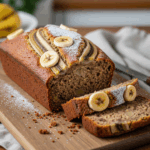
A scientifically perfected banana bread that achieves the ideal balance of moisture, flavor, and texture through precise ingredient ratios and technique. This recipe produces a tender crumb with a golden-brown crust and intense banana flavor.
- 3 very ripe bananas (about 1½ cups mashed)
- ⅓ cup melted butter
- ¾ cup granulated sugar
- 1 large egg (beaten)
- 1 teaspoon vanilla extract
- 1 teaspoon baking soda
- Pinch of salt
- 1½ cups all-purpose flour
- Optional: ½ cup chopped walnuts or chocolate chips
- Secret #1 – Use Overripe Bananas: The bananas should be heavily spotted or even black. The darker they are, the sweeter and more flavorful your bread will be. The starches have converted to sugars, creating that signature banana bread taste.
- Preheat your oven to 350°F (175°C). Butter a 9×5-inch loaf pan.
- Secret #2 – Mash Bananas with Some Texture: In a mixing bowl, mash the ripe bananas with a fork until mostly smooth but with some small lumps remaining. These lumps create pockets of intense banana flavor.
- Secret #3 – Don’t Overmix: Stir the melted butter into the mashed bananas using a wooden spoon or spatula, not an electric mixer.
- Mix in the sugar, egg, and vanilla extract. Stir until just combined.
- Sprinkle the baking soda and salt over the mixture and mix in.
- Add the flour and gently fold it in using as few strokes as possible—about 10-12 folds. The batter should look slightly lumpy. Overmixing develops gluten, making the bread tough.
- Secret #4 – The Toothpick Test Timing: Pour the batter into the prepared loaf pan. Bake for 55-65 minutes. Start checking at 55 minutes by inserting a toothpick into the center—it should come out with just a few moist crumbs, not wet batter.
- Secret #5 – Cool in the Pan: Let the bread cool in the pan for 10-15 minutes before removing. This allows the structure to set and prevents it from falling apart. The residual heat continues to cook it slightly.
- Remove from pan and slice once fully cooled. The bread slices best when completely cool.
There’s something undeniably comforting about the warm, golden embrace of freshly baked banana bread, a treat that marries humble simplicity with rich, complex flavors. But beneath its homey exterior lies a captivating world where science and artistry intertwine, transforming ripe bananas, flour, sugar, and a handful of other ingredients into a moist masterpiece. In this article, we’ll explore the delightful alchemy behind perfect banana bread: from the chemistry of browning bananas to the artful balance of textures and flavors. Whether you’re a kitchen novice or a seasoned baker, understanding the science and craft behind this beloved loaf will elevate your baking and make every slice a slice of pure joy.
The Delightful Science and Art of Perfect Banana Bread
The Delightful Science and Art of Perfect Banana Bread begins with understanding the magic hidden in each ripened banana, balancing sweetness and spice thoughtfully, and crafting a batter that promises moistness without sacrificing crumb structure. Whether you’re a seasoned baker or approaching this classic treat for the first time, unlocking these secrets transforms a simple loaf into a soulful experience that fills your kitchen with golden warmth and intoxicating aroma.
Prep and Cook Time
- Preparation: 15 minutes
- Cooking: 55 minutes
- Total: 1 hour 10 minutes
Yield
1 loaf (approximately 10-12 servings)
Difficulty Level
Easy to Medium – perfect for bakers of all levels
Ingredients
- 1 ½ cups all-purpose flour, sifted
- 1 teaspoon baking soda
- ½ teaspoon fine sea salt
- 1 teaspoon ground cinnamon
- ¼ teaspoon freshly grated nutmeg (optional)
- ¾ cup granulated sugar
- ⅓ cup unsalted butter, melted and cooled
- 2 large eggs, at room temperature
- 3 ripe bananas, mashed (about 1 ½ cups)
- 1 teaspoon pure vanilla extract
- ½ cup Greek yogurt or sour cream (for moisture and tender crumb)
- ½ cup chopped toasted walnuts or pecans (optional)
- ½ cup dark chocolate chips or dried cherries (optional)
Instructions
- Preheat your oven to 350°F (175°C). Grease and flour a 9×5-inch loaf pan or line it with parchment paper for easy release.
- In a medium bowl, whisk together the flour, baking soda, salt, cinnamon, and nutmeg. This dry mixture forms the warm spice backbone that balances banana sweetness.
- In a large mixing bowl, beat the eggs with the sugar until smooth and slightly pale, about 2 minutes. Slowly drizzle in the melted butter while stirring, ensuring it incorporates evenly without scrambling the eggs.
- Add the mashed bananas, vanilla extract, and Greek yogurt to the wet mixture. Stir until a luscious, thick batter forms-this mix is your moisture vault without heaviness.
- Fold in the dry ingredients gently, mixing just until combined. Overmixing can tighten gluten strands, so stop as soon as no streaks remain.
- Optionally, fold in nuts and/or chocolate chips for creative layers of texture and flavor-a fantastic twist that heightens enjoyment.
- Pour the batter into your prepared loaf pan and use a spatula to even out the surface. For an inviting golden crust, sprinkle a few extra sugar crystals or chopped nuts on top.
- Bake for 50-60 minutes or until a toothpick inserted in the center comes out clean with a few moist crumbs clinging gently. If the top browns too quickly, tent with foil halfway through baking.
- Cool in the pan for 10 minutes, then transfer to a wire rack to cool entirely. This resting enhances flavor melding and achieves the perfect slice.
Chef’s Notes: Tips for Success
- Choosing bananas: Select bananas with dark spots or stripes-these have the richest sugar content and deepened flavor essential to the best banana bread.
- Balancing sweetness and spice: Adjust cinnamon and nutmeg to your taste, or swap for warm cardamom or ginger for an exciting twist.
- Moisture mastery: Greek yogurt or sour cream adds moisture without sogginess. Avoid overripe bananas that are mushy to prevent too much liquid in the batter.
- Substitutions: For gluten-free variations, use a blend of gluten-free flours plus 1 teaspoon xanthan gum. Swap sugar for coconut sugar for a caramel depth.
- Make-ahead: This banana bread tastes even better the next day. Wrap tightly in foil and store at room temperature up to 3 days or freeze for up to 3 months.
Serving Suggestions
Serve slices warm or at room temperature, either plain or spread with a pat of salted butter or cream cheese frosting for indulgence. Garnish with toasted walnuts, a sprinkle of cinnamon, or fresh banana slices for visual appeal. Pair this comforting loaf with a cup of black coffee or spiced chai for a soulful treat during breakfast or afternoon tea.

| Nutritional Facts | Per Serving |
|---|---|
| Calories | 210 |
| Protein | 3g |
| Carbohydrates | 30g |
| Fat | 9g |
Explore more delightful baking recipes like our Ultimate Pumpkin Muffins for cozy seasonal treats. For additional insights on banana ripeness and storage, visit Fresh Fruit Portal.
Q&A
Q&A: The Delightful Science and Art of Perfect Banana Bread
Q1: What makes banana bread more than just a simple baked good?
A1: Banana bread is a magical marriage of science and art. Beyond its humble ingredients lies a world of chemistry-where ripe bananas provide natural sugars and moisture, baking soda reacts with acidic elements to leaven the loaf, and the perfect oven temperature transforms a gooey batter into golden-brown bliss. It’s not just about following a recipe; it’s about understanding each element’s role and how they synergize to create that tender crumb and rich aroma we all love.
Q2: How does the ripeness of bananas affect the final texture and flavor of banana bread?
A2: The riper the banana, the sweeter and more flavorful the bread. As bananas overripen, their starches convert to sugars, intensifying sweetness and adding moisture. This moisture yields a tender, almost custardy crumb, while the natural sugars caramelize during baking, lending irresistible depth and a hint of toffee-like warmth. Overripe bananas are the baker’s goldmine for a perfectly moist and fragrant loaf.
Q3: Why is it vital to balance wet and dry ingredients in banana bread?
A3: The delicate dance between wet and dry ingredients determines whether your banana bread is moist or dense, rich or crumbly. Too much liquid and your loaf might turn out gummy; too little and it could become dry and crumbly. Achieving the right balance ensures the gluten in the flour has enough moisture to develop structure without overpowering the tender crumb. Proper measuring and ingredient quality are your allies here.
Q4: Can you explain the role baking soda plays in banana bread?
A4: Baking soda is the unsung hero that makes banana bread rise. It reacts with the naturally acidic components in ripe bananas (and sometimes added yogurt or buttermilk), producing carbon dioxide bubbles that expand during baking. This chemical reaction creates an airy, light texture that counters the dense moisture from the bananas. Without baking soda, banana bread could be flat and heavy rather than fluffy and inviting.
Q5: How can one add artistic flair to banana bread while keeping its classic appeal?
A5: Artistry in banana bread lies in subtle, creative touches that elevate its flavor and appearance without overshadowing the beloved base. Think swirling ribbons of cinnamon, folds of dark chocolate chunks, toasted nuts for crunch, or a sprinkle of coarse sugar on top for a sparkling crust. Presentation matters too-a rustic loaf with a perfectly cracked top or beautifully sliced pieces arranged on a vintage plate can turn a simple treat into a feast for the eyes and soul.
Q6: Is banana bread better warm, cold, or somewhere in between?
A6: Banana bread is quite versatile, but enjoyed warm, fresh from the oven, its aroma fills the room, and the crumb feels luxuriously soft, almost cake-like. At room temperature, it firms up just enough to slice neatly while retaining moistness. Chilled banana bread, while slightly less soft, offers a denser texture that some find pleasing, especially when paired with a smear of butter or cream cheese. Each serving temperature reveals a different facet of banana bread’s charm.
Q7: Any tips for storing banana bread to maintain freshness and flavor?
A7: To keep your banana bread delightfully fresh, wrap it tightly in plastic wrap or store it in an airtight container at room temperature for up to three days. For longer storage, freezing is your friend-slice the loaf first, then freeze slices individually wrapped to thaw as needed. This preserves moisture and flavor, so every bite tastes like it was freshly baked, even weeks later. Avoid refrigeration unless your kitchen is very warm, as cold air can dry out the bread quickly.
With a perfect balance of science and creativity, banana bread becomes more than just a snack-it becomes a comforting experience celebrating the simple joy of baking.
The Conclusion
As the warm aroma of freshly baked banana bread fills your kitchen,you begin to understand that this humble loaf is much more than just a sweet treat-it’s a harmonious blend of science and art. From the precise chemistry that transforms ripe bananas and simple ingredients into a tender crumb, to the creative flourishes that make each recipe uniquely yours, perfecting banana bread is a delightful journey of revelation. So whether you’re measuring with meticulous care or improvising with wild abandon, remember that every loaf is a testament to both nature’s sweetness and human ingenuity. Embrace the process, savor the flavors, and let the timeless charm of banana bread continue to inspire your culinary adventures.