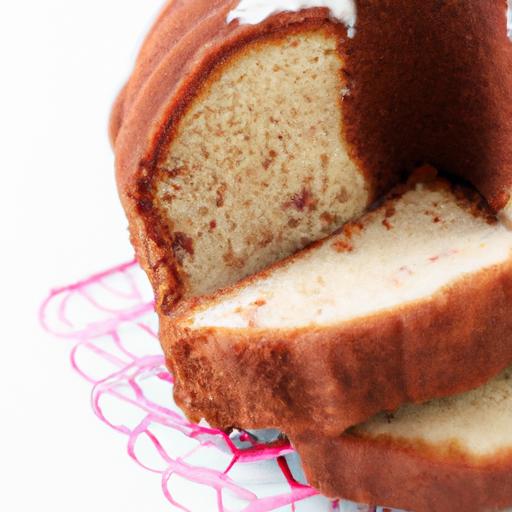

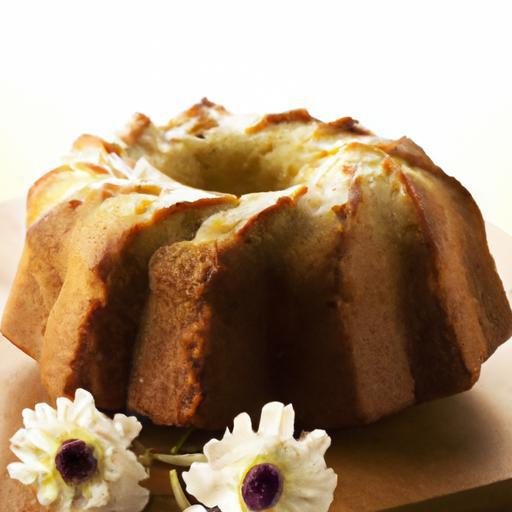
Baking a cake is more than just mixing ingredients-it’s an art, a science, and a little bit of magic all rolled into one delicious creation. Whether you’re a seasoned baker aiming to elevate your skills or a curious beginner eager to conquer the oven, “The Ultimate Guide to Baking the Perfect Cake Recipe” is your trusted companion on this flavorful journey. From selecting the finest ingredients and mastering precise techniques to uncovering tips that transform ordinary batter into a show-stopping masterpiece, this guide will unravel the secrets behind every moist crumb and every tender crumb. Prepare to transform your kitchen into a bakery of dreams as we dive deep into the art and science of baking perfection.
Choosing the finest ingredients for moist and flavorful cakes is the secret to unlocking bakery-quality results right in your kitchen. Using premium, fresh components lays the groundwork for a tender crumb and rich depth that makes every bite memorable. Whether it’s the aroma of freshly ground vanilla bean or the creamy richness of European-style butter, these choices elevate your creation beyond ordinary.
Prep and Cook Time
- Planning: 20 minutes
- Baking: 30-35 minutes
- Cooling & Decorating: 1 hour
Yield
Serves 10-12 generously sized slices
Difficulty Level
medium – perfect for enthusiastic home bakers looking to refine their skills
Ingredients
- 2 ½ cups all-purpose flour, sifted
- 1 ½ cups granulated sugar
- 1 cup unsalted European-style butter, softened
- 4 large free-range eggs, at room temperature
- 1 cup whole milk, warmed
- 1 tbsp pure vanilla bean paste or extract
- 1 tbsp baking powder, sifted
- ½ tsp fine sea salt
- Optional: zest of 1 organic lemon for a bright twist
Instructions
- Prepare your pans and preheat the oven. Grease two 9-inch round cake pans and line the bottoms with parchment paper. Set your oven to 350°F (175°C) for consistent heat baking.
- Cream the butter and sugar.
Using a stand mixer with the paddle attachment, beat the softened butter and sugar on medium speed until light and fluffy, about 4-5 minutes. This aeration is crucial for a tender crumb. - Add the eggs one at a time, mixing well after each addition. This gradual incorporation prevents curdling and promotes emulsification for a smooth batter.
- Combine dry ingredients.
In a separate bowl, sift together the all-purpose flour, baking powder, and salt. - Alternatively, add dry ingredients and warmed milk to the batter, starting and ending with the flour mixture. Use a low mixer speed or fold gently to maintain volume. Stop mixing as soon as ingredients are combined to avoid gluten overdevelopment.
- Stir in vanilla bean paste and lemon zest (if using) with a rubber spatula to distribute flavor evenly without deflating the batter.
- Divide the batter evenly between the two pans. smooth tops with an offset spatula for even rising.
- Bake at 350°F (175°C) for 30-35 minutes or until a skewer inserted in the center emerges clean and the cakes gently spring back to touch.
- Cool cakes thoroughly. Place pans on wire racks for 10 minutes, then carefully invert cakes onto racks to cool fully. This prevents sogginess and prepares for frosting.
- frost and decorate using your preferred frosting technique – see tips below.
Tips for Success
- Ingredient temperature: Ensure eggs and milk are at room temperature to help the batter emulsify perfectly.
- Mixing Method: mastering the creaming technique traps air, which contributes to that sought-after lightness. Overmixing once flour is added leads toa denser texture.
- Bake with precision: Use an oven thermometer for accuracy; uneven or incorrect temperatures can affect rise and crumb structure.
- Make-Ahead: Bake layers a day in advance, wrap tightly in plastic wrap, and store at room temperature to enhance moisture retention.
- Ingredient Alternatives: substitute whole milk with buttermilk for tang and tenderness, or use cake flour for a finer crumb.
Creative Frosting and Decoration Tips
elevate your cake beyond flavor with visually stunning designs that showcase your artistry. Start with a smooth crumb coat to lock in crumbs, then apply a luscious buttercream or cream cheese frosting. For a silky finish, use an offset spatula and gently dip it in hot water between smoothing strokes. Embellish with fresh flowers, edible gold leaf, or a sprinkle of toasted nuts for texture and elegance. Adding piped rosettes or delicate drip effects can transform a simple cake into a festivity-worthy centerpiece.
Serving Suggestions
Present your cake with a dusting of powdered sugar or a drizzle of high-quality dark chocolate ganache. Serve alongside a dollop of lightly whipped cream and fresh seasonal berries for a harmonious balance of sweetness and tartness. A crisp cup of Earl Grey or freshly brewed coffee complements the cake’s vanilla notes perfectly, creating an indulgent yet comforting dessert experience.

| nutrient | Per Serving |
|---|---|
| Calories | 320 kcal |
| Protein | 5 g |
| Carbohydrates | 43 g |
| Fat | 14 g |
For more expert baking tips, check out our comprehensive decorating guide to add flair to your cakes. To further refine ingredient knowledge, visit King Arthur Baking’s expert guides, a top authority for bakers worldwide.
Q&A
Q&A: The Ultimate Guide to Baking the Perfect Cake Recipe
Q1: What’s the secret to a moist and fluffy cake?
A: The magic lies in balancing your ingredients and technique. Use room temperature eggs and butter to create a smooth batter, and don’t overmix once you add the flour-overworking develops gluten and leads to a denser crumb. Also, incorporating a bit of sour cream or buttermilk can add moisture and tenderness.
Q2: How important is ingredient measurement, and should I use grams or cups?
A: Precision is key! Baking is a science, and a small difference can affect your cake’s texture and rise. While cups are common, weighing ingredients in grams guarantees consistency every time. Investing in a kitchen scale is a game-changer for serious bakers.
Q3: Can I substitute ingredients if I’m out of something, like butter or eggs?
A: Yes, but with care. For butter, you can use margarine or oil-though the flavor and texture might shift slightly. Eggs can be replaced with applesauce, mashed banana, or commercial egg replacers, depending on the recipe. Just remember, each substitute affects the cake’s structure, so results may vary.
Q4: How do I ensure my cake rises evenly and doesn’t crack?
A: Start with properly preheated ovens and use the right pan size. Grease and line your pans to help cakes release easily. Mixing too vigorously or baking at too high a temperature can cause cracks. Also, try baking in the oven’s middle rack for even heat distribution.
Q5: What’s the best way to test if my cake is done?
A: The toothpick test is classic-insert a clean toothpick in the center; if it comes out clean or with just a few moist crumbs, the cake is ready. Additionally, the cake should spring back when lightly pressed, and begin to pull away from the pan’s sides.
Q6: How can I make my cake look as amazing as it tastes?
A: Presentation is part of the treat! Level your cake layers with a serrated knife or cake leveler for neat stacking. Use smooth buttercream or fondant for a polished finish. Edible flowers, fresh fruit, or creative piping can add that wow factor.
Q7: any tips for baking at altitude or in humid climates?
A: Absolutely! High altitude often requires a slight increase in oven temperature and a reduction in baking powder or sugar to prevent over-rising and collapsing. In humid places, reduce the liquid slightly and store flour airtight to avoid clumping.
Q8: How do I store my cake to keep it fresh?
A: Cakes wrapped tightly in plastic wrap and stored at room temperature will usually stay fresh for 2-3 days. For longer storage, refrigerate in airtight containers, but bring the cake back to room temperature before serving for the best flavor and texture.
With these tips, your journey to baking the perfect cake will be both fun and delicious. Happy baking!
The Conclusion
Baking the perfect cake is both an art and a science-a delicate dance between precise measurements and creative flair. With the steps and tips outlined in this ultimate guide, you now hold the keys to sweet success in your kitchen. Whether you’re crafting a simple vanilla sponge or an elaborate layered masterpiece, remember that every cake tells a story, shaped by your hands and heart. So grab your apron, preheat that oven, and let your newfound knowledge transform flour and sugar into unforgettable moments. Here’s to baking brilliance-one perfect slice at a time!