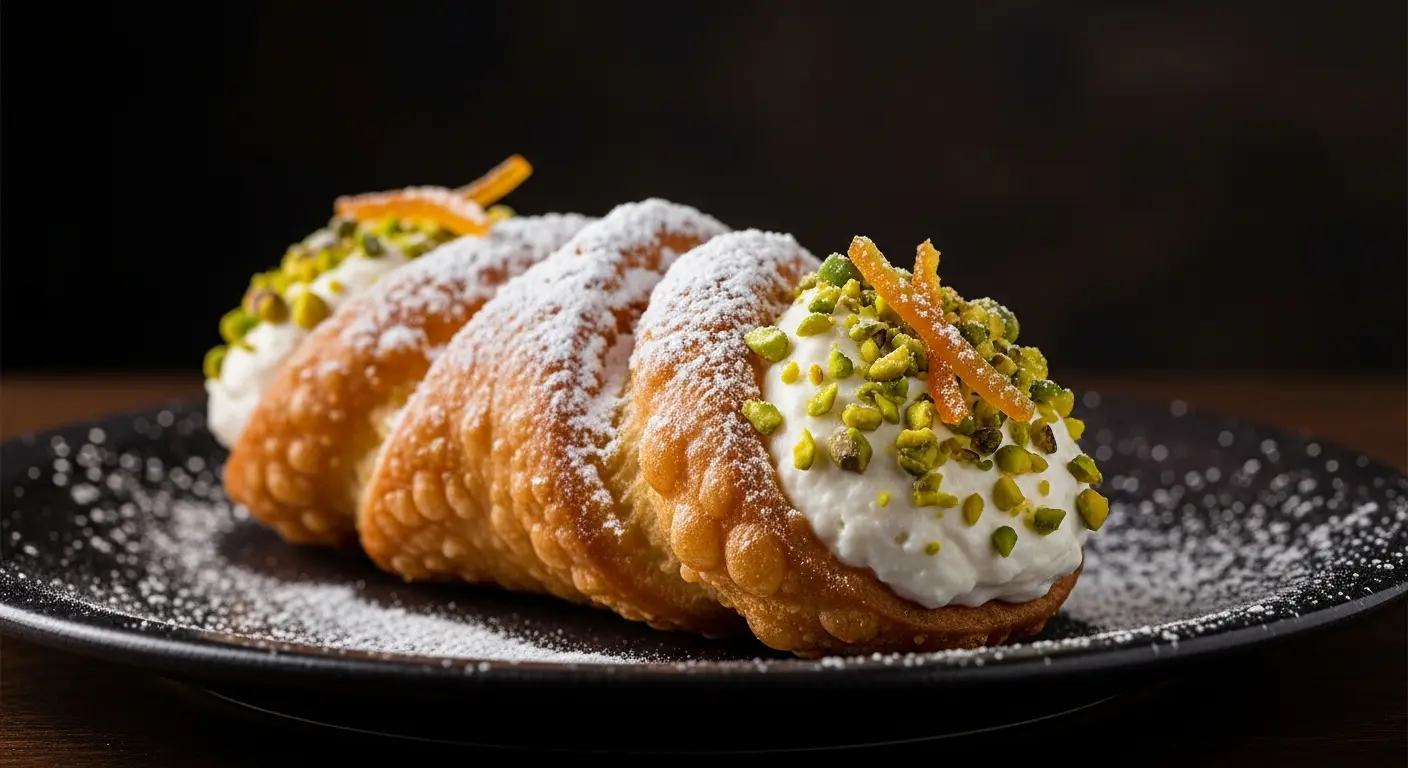

There’s something undeniably enchanting about the crisp, golden shell of a classic cannoli, delicately cradling a luscious, creamy ricotta filling that whispers tales of Sicilian tradition with every bite. In this ultimate guide, we’ll journey through the art and science behind crafting these timeless pastries, from selecting the perfect ricotta to mastering the delicate balance of flavors and textures that make cannoli a beloved dessert worldwide. Whether you’re a seasoned baker or a curious foodie, prepare to unlock the secrets that transform simple ingredients into a symphony of taste, capturing the essence of Italy’s sweetest heritage.
Authentic cannoli shells are the cornerstone of a truly classic Sicilian dessert, delivering a perfectly crisp and golden embrace for the luscious ricotta filling inside. Selecting the right ingredients is an art in itself, beginning with high-quality, unbleached all-purpose flour that ensures elasticity and crunch, paired with a hint of cocoa powder for subtle depth and traditional earthiness. The addition of sweet Marsala wine or vinegar helps to tenderize and crisp the shells, while a touch of cinnamon invokes that unmistakable Mediterranean warmth.
Prep and Cook Time
- Preparation: 30 minutes
- Chilling dough: 1 hour
- Frying and assembly: 30 minutes
- Total Time: Approximately 2 hours
Yield
Makes approximately 12 medium-sized cannoli
Difficulty Level
Medium – requires attention to dough texture and frying technique
Ingredients
- For the shells:
- 2 cups all-purpose flour, sifted
- 2 tablespoons granulated sugar
- 1/2 teaspoon ground cinnamon
- 1/4 teaspoon salt
- 3 tablespoons unsalted butter, chilled and cubed
- 1 large egg yolk
- 1/2 cup dry Marsala wine (or substitute white wine vinegar)
- Vegetable oil for frying (about 4 cups)
- For the filling:
- 2 cups whole-milk ricotta, drained overnight for a silky texture
- 3/4 cup powdered sugar, sifted
- 1 teaspoon pure vanilla extract
- 1/4 cup mini chocolate chips or finely chopped candied orange peel (optional)
- 1 tablespoon heavy cream (optional, to adjust consistency)
Instructions
- Make the dough: In a mixing bowl, combine flour, sugar, cinnamon, and salt. Cut in the butter with your fingertips or a pastry cutter until the mixture resembles coarse crumbs.
- Add wet ingredients: Stir in the egg yolk and gradually pour in the marsala wine while mixing until a cohesive dough forms. If too sticky, add flour sparingly; if too dry, add a teaspoon of water.
- Knead and chill: Turn the dough onto a floured surface and knead gently for 5 minutes until smooth and elastic. Wrap in plastic and chill for 1 hour to relax the gluten.
- Prepare the filling: Meanwhile, stir the drained ricotta with powdered sugar and vanilla extract until smooth. Fold in chocolate chips or orange peel. If the filling feels stiff, blend in heavy cream for creaminess. Refrigerate until ready.
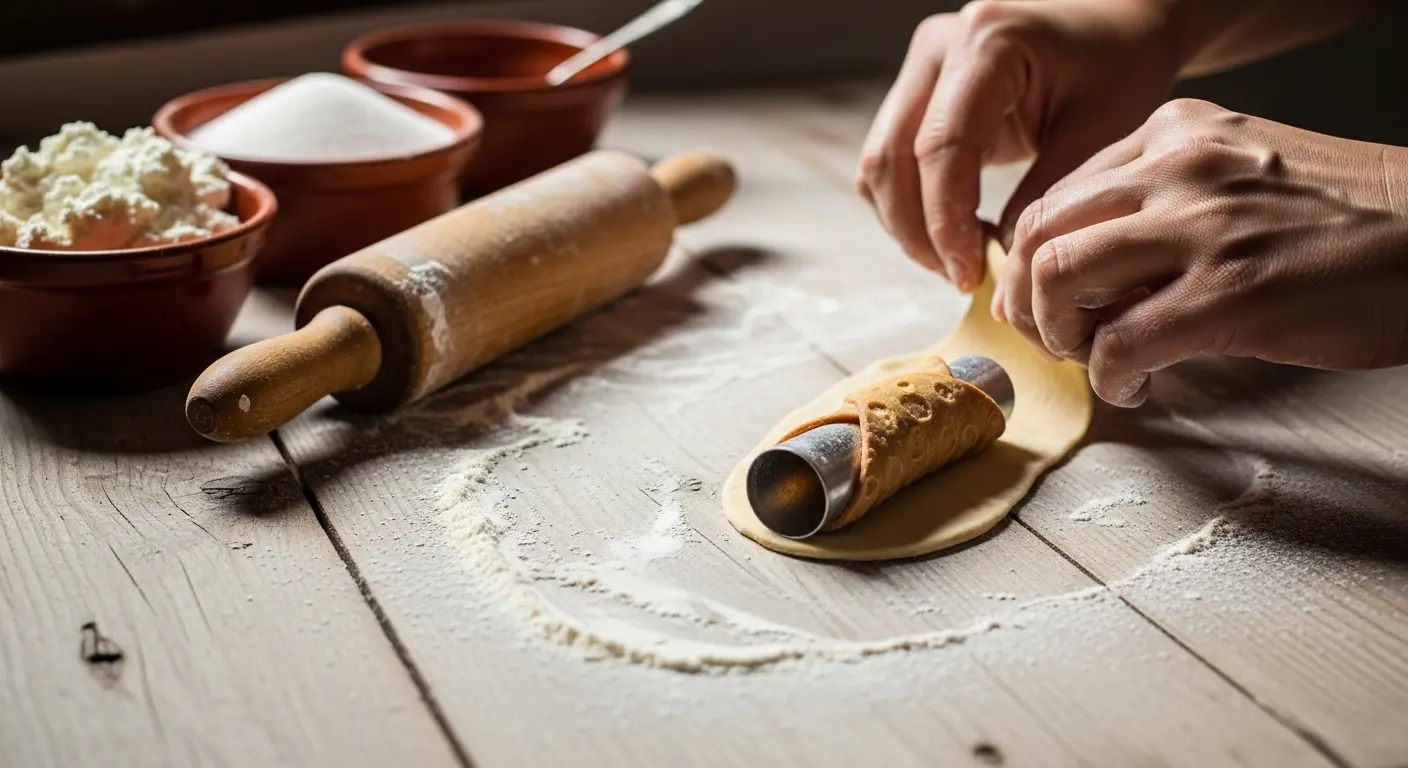
- Roll and shape shells: Divide the dough into small portions. Using a pasta roller or rolling pin, roll pieces into paper-thin circles about 4 inches in diameter. Wrap each circle around a metal cannoli tube, sealing edges with a little beaten egg white.
- Heat oil and fry shells: In a heavy-bottom pot, heat the vegetable oil to 350°F (175°C). Fry shells in small batches until golden brown, about 2-3 minutes per side. Remove with a slotted spoon and drain on paper towels. Allow to cool completely before gently removing tubes to avoid cracking.
- Assemble cannoli: Use a piping bag fitted with a large round tip to fill shells from both ends with ricotta filling just before serving, ensuring they stay crisp. Sprinkle with powdered sugar or chopped pistachios for garnish.
Tips for Success: Mastering the Art of Silky Smooth Ricotta Filling and Fragile Shell Handling
- Drain the ricotta thoroughly: A well-drained ricotta prevents watery filling and soggy shells – cheesecloth overnight draining is ideal.
- Chill shells before filling: Warm or oily shells will soften quickly; cool completely and fill at the last minute.
- Wrap with care: When wrapping the dough around the cannoli tubes, avoid stretching the dough to prevent cracks.
- Seal edges smartly: use beaten egg white as a “glue” for a secure seal that holds during frying.
- Customize your filling: Add a splash of orange liqueur or a pinch of cinnamon to the ricotta for extra flavor layers.
Creative Variations to Elevate Your Classic Cannoli Experience
Dare to reimagine your dessert by incorporating creative twists without sacrificing authenticity. Swirl in a handful of finely chopped pistachios for a crunch contrast, or infuse your ricotta filling with lemon zest for a refreshing citrus punch. For an indulgent touch, dip the finished ends in melted dark chocolate and sprinkle with crushed nuts or edible gold leaf to wow your guests. Alternatively, try a chocolate cannoli shell variant to contrast with the creamy ricotta for an extraordinary flavor fusion.
The heart of this dessert lies not just in its components, but in the harmony and care invested into crafting each shell and each dollop of filling – a culinary journey that celebrates tradition and sparks creativity.

Nutritional Details
| Per Serving (1 Cannolo) | Calories | Protein | Carbs | Fat |
|---|---|---|---|---|
| Classic Cannoli with Creamy Ricotta Filling | 320 | 7g | 32g | 18g |
For more insights on Italian desserts and their regional origins, explore the history of cannoli at Serious Eats.
Q&A
Q&A: The Ultimate Guide to Classic Cannoli with Creamy Ricotta Filling
Q1: What exactly is a cannoli, and where does it come from?
A1: Cannoli are iconic Italian pastries originating from Sicily. Picture a crispy, tubular shell, golden-fried to perfection, cradling a luscious, creamy ricotta filling. Traditionally enjoyed during Carnevale, this treat’s irresistible blend of crunchy and creamy textures has captured dessert lovers worldwide.
Q2: What makes the ricotta filling in cannoli so special?
A2: The ricotta filling is the soul of a cannoli. Made from fresh sheep’s milk ricotta, it’s smooth, rich, and slightly sweetened – often with a hint of vanilla, citrus zest, or even a sprinkle of cinnamon. This luscious filling offers a velvety contrast to the crunch of the shell, creating a harmony of flavors and textures in every bite.
Q3: Can I use any ricotta for the filling, or is there a preferred type?
A3: For the creamiest results, fresh whole-milk ricotta is your best bet. Avoid the watery or grainy store-bought varieties if possible-draining your ricotta through cheesecloth to remove excess moisture ensures a silky, luxurious filling. Traditional Sicilian ricotta, usually from sheep’s milk, offers an authentic richness that elevates the cannoli experience.
Q4: How do you achieve the perfect cannoli shell?
A4: The secret lies in the dough and the frying technique. Classic cannoli dough is a delicate mix of flour, sugar, a splash of vinegar or wine for tenderness, and butter or lard for richness. Rolled thin and cut into circles, they’re wrapped snugly around metal tubes and fried until golden and crisp. The result is a shell that’s light yet sturdy enough to hold the ricotta without sogginess.
Q5: Any tips for assembling and serving cannoli?
A5: Timing is key! Fill your cannoli shells just before serving to keep them crunchy. Use a piping bag fitted with a large tip to generously fill each shell with ricotta, ensuring it oozes slightly from both ends. Garnish with chopped pistachios, mini chocolate chips, or candied orange peel for a classic touch. Dust with powdered sugar and serve immediately for maximum decadence.
Q6: Are there creative twists to the classic ricotta cannoli filling?
A6: Absolutely! While the traditional ricotta filling reigns supreme, you can experiment with flavor infusions like chocolate chips, espresso powder, or even a splash of Marsala wine. Some modern takes incorporate mascarpone for extra creaminess or fold in fresh berries for a fruity surprise. The canvas is yours-just keep the balance between creamy filling and crispy shell.
Q7: Can cannoli be made ahead of time?
A7: You can prepare the shells in advance and store them airtight for up to a week-but avoid filling until just before serving to prevent sogginess. The ricotta filling can be prepped a day ahead and kept chilled. This way, you’ll preserve the iconic crunch and creamy goodness that define the perfect cannoli experience.
Q8: What’s the best way to enjoy cannoli?
A8: Cannoli are best savored fresh, ideally with a cup of espresso or a glass of sweet dessert wine like Vin Santo. Whether enjoyed as a festive treat or a spontaneous indulgence, each bite invites you into a rich Sicilian heritage wrapped in a delicate, crunchy shell and filled with dreamy ricotta goodness. Buon appetito!
Wrapping Up
As you’ve journeyed through the layers of flaky shells and velvety ricotta, it’s clear that the classic cannoli is more than just a dessert-it’s a celebration of tradition, texture, and taste. Armed with this ultimate guide, you’re now ready to bring a slice of Sicilian sweetness into your own kitchen. Whether you’re crafting them for a festive gathering or a quiet evening treat, these creamy, crunchy delights promise to enchant every bite. So go ahead-embrace the art of the cannoli, and savor the timeless joy of this iconic Italian masterpiece. Buon appetito!