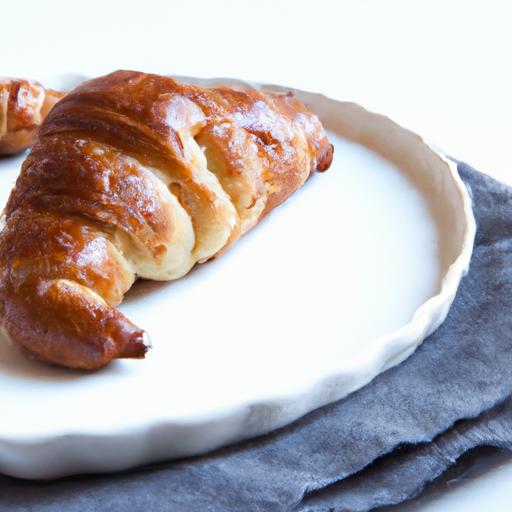

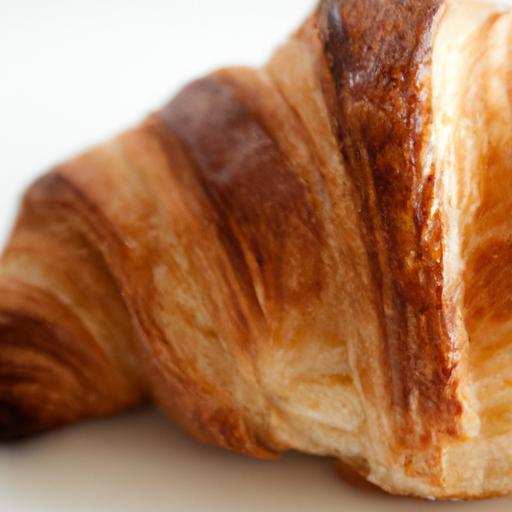
In the bustling world of modern pastries, where bold flavors and inventive shapes often steal the spotlight, the classic croissant remains an enduring symbol of timeless elegance and craftsmanship. Beneath its golden, flaky exterior lies a story of patience, precision, and artistry-an intricate dance of butter and dough that has captivated taste buds for centuries. “The Art of Classic Croissants: Timeless Flaky Perfection” delves into the meticulous traditions and techniques that transform simple ingredients into layers of delicate, buttery bliss. Join us as we unravel the secrets behind this iconic French delicacy, celebrating a pastry that continues to define indulgence in its purest, most sublime form.
Mastering the laminated dough technique for ultimate flakiness is the cornerstone of crafting croissants that embody the pinnacle of buttery, airy decadence. Originating in the heart of Parisian bakeries, this method transforms simple ingredients into delicate layers that marvelously puff and crisp to golden perfection. Whether you’re a seasoned baker or an inspired novice, understanding the science and art behind each fold will forever elevate your baking journey.
Prep and Cook Time
- Preparation: 30 minutes (active)
- resting and Proofing: 12-14 hours (including overnight chilling)
- Baking: 15-20 minutes
- Total Time: Approximately 14 hours (mostly hands-off)
Yield
12 classic-sized croissants
Difficulty Level
Advanced – requires patience, precision, and attention to detail
Ingredients
- 4 cups (500g) all-purpose flour, sifted
- 1/2 cup (120ml) whole milk, lukewarm
- 1/4 cup (50g) granulated sugar
- 2 teaspoons salt
- 2 1/4 teaspoons (1 packet) active dry yeast
- 3 tablespoons (45g) unsalted butter, melted
- 1 1/4 cups (285g) unsalted butter, cold and cubed for laminating
- 1 large egg, beaten (for egg wash)
Instructions
- Activate the yeast: in a small bowl, combine lukewarm milk with yeast and a pinch of sugar. let it bloom until frothy, about 5-7 minutes.
- Mix the dough: In a large bowl, whisk together sifted flour, sugar, and salt. Create a well in the centre and pour in the bloomed yeast mixture and melted butter. Mix until a rough dough forms.
- Knead and chill: Turn the dough onto a lightly floured surface and knead until smooth and elastic, about 8 minutes. Shape into a ball, wrap tightly in plastic wrap, and refrigerate for at least 1 hour.
- Prepare the butter block: Place cold cubed butter between two sheets of parchment paper. Using a rolling pin, pound and roll butter into a 7-inch square. Refrigerate until firm but pliable.
- Laminate the dough: roll chilled dough into a 14-inch square on a floured surface. Place the butter block in the center diagonally and fold the corners over it to encase fully.
- First fold (letter fold): Roll the dough to a 20×10-inch rectangle. Fold the dough into thirds, like a letter. Wrap in plastic and chill for 1 hour.
- Second and third folds: Repeat the rolling and folding process two more times, chilling for 1 hour between each fold to maintain butter consistency and dough temperature.
- Shape the croissants: Roll the laminated dough into a 20×10-inch sheet. Cut into 12 equal triangles. To shape, gently stretch the triangle base, roll tightly toward the tip, and slightly curve the ends for that classic crescent shape.
- Proof for lightness: Place shaped croissants on parchment-lined trays spaced apart. Cover loosely with plastic wrap and proof at 75°F (24°C) for 2-3 hours - until doubled in size and jiggly to the touch.
- Preheat the oven: Set the oven to 400°F (200°C) with a baking stone or sheet inside to heat evenly.
- Egg wash: Brush proofed croissants gently with beaten egg without deflating them. This promotes a glossy, golden crust.
- Bake to golden perfection: Transfer croissants to the oven’s middle rack. Bake 15-20 minutes until deeply golden, flaky, and crisp. Rotate halfway for even browning.
- Cool slightly: Let cool on wire racks to preserve the crisp exterior and lock in layers of tenderness and butter richness.
Tips for Success
- Use cold ingredients and chill generously: Temperature control is critical to maintain distinct buttery layers.
- Flour selection matters: Choose a high-quality bread or all-purpose flour with a protein content around 11-12% for optimal gluten development and structure.
- Don’t skip resting: Rest periods allow gluten to relax, making rolling and shaping easier while enhancing texture.
- Proof quietly: Avoid drafty areas during proofing to maintain consistent activity and prevent drying out the dough bonds.
- Make ahead: Shaped croissants can be frozen before proofing. Proof and bake directly from frozen, adding a few extra minutes to baking time.
Serving Suggestions
Serve warm with a light dusting of powdered sugar for breakfast or brunch. Accompanied by fresh fruit preserves or a side of creamy butter for the quintessential French experience. A steaming cup of café au lait or freshly brewed espresso rounds out the indulgence perfectly.

| Nutrient | Per Croissant |
|---|---|
| Calories | 280 kcal |
| Protein | 5 g |
| Carbohydrates | 26 g |
| Fat | 17 g |
For a deeper dive into croissant variations and pastries from the classic French repertoire, check out our Exploring Croissant Varieties guide.
Further reading on the history and science behind laminated dough can be found at King Arthur Baking’s Croissant Guide.
Q&A
Q&A: The Art of Classic Croissants – Timeless Flaky Perfection
Q1: What makes a classic croissant truly timeless?
A1: A classic croissant’s timelessness lies in its perfect harmony of layers, bite revealing a delicate balance of buttery richness and airy, flaky texture. It’s a celebration of patience and precision, where simple ingredients transform through skillful technique into an irresistible work of edible art.
Q2: Why are croissants so notoriously difficult to master at home?
A2: Mastering croissants is like composing a symphony; every note matters. The challenge is in laminating the dough-folding and rolling butter into dough multiple times to create countless layers without letting the butter melt, or the dough toughen. temperature control, timing, and gentle hands are critical, turning baking into an exacting, yet rewarding craft.
Q3: What are the essential ingredients for a classic croissant, and why?
A3: The beauty of a croissant is in its simplicity: high-quality flour, fresh butter, milk, sugar, yeast, and a pinch of salt. Each ingredient plays a crucial role-flour provides structure; butter layers impart richness and create flakiness; yeast offers lift and aroma; sugar balances flavor; and salt enhances all. Together, they compose the symphony.
Q4: How does the lamination process influence the croissant’s texture?
A4: Lamination is the magician behind the croissant’s iconic texture. By folding cold butter into the dough multiple times, bakers create thin, alternating layers of dough and butter. When baked, steam from the butter causes layers to puff and separate, forming the croissant’s signature flaky exterior and soft, honeycombed interior.
Q5: Can you share a tip for achieving that golden, glossy finish on croissants?
A5: Absolutely! The secret lies in the egg wash-a luscious mixture of beaten egg, sometimes blended with a touch of cream or water. Brushed gently on the croissant before baking, it encourages that stunning sheen and deep golden colour, inviting you in with its warm, sun-kissed allure.
Q6: What’s the best way to enjoy a classic croissant?
A6: Fresh and warm, ideally straight from the oven or lightly reheated. Whether enjoyed plain to appreciate the buttery layers or paired with a smear of jam, honey, or fine cheese, a classic croissant awakens the senses and turns any moment into a small celebration of life’s simple pleasures.
Q7: How has the croissant evolved while still honoring tradition?
A7: While the classic croissant remains revered, modern bakers experiment boldly-introducing fillings, infusions, and new flours. Yet, at its core, the art of croissant-making honors centuries-old wisdom. The essence persists: a tender, flaky pastry crafted with care, connecting us to the timeless joy of baking.
Embrace the art, savor the layers, and discover why the classic croissant endures as a symbol of flaky perfection throughout the ages.
Insights and Conclusions
As the delicate layers of a classic croissant continue to captivate palates around the world, their timeless artistry reminds us that true perfection is born from patience, precision, and passion. Whether crafted by a seasoned baker’s hands or attempted anew in a home kitchen, the croissant remains a symbol of culinary elegance-its flaky exterior and tender, buttery heart an ode to tradition and technique alike. In embracing the art of the classic croissant, we don’t just savor a pastry; we celebrate a heritage of craftsmanship that transcends time, inviting each of us to experience a little piece of flaky, golden history with every bite.