
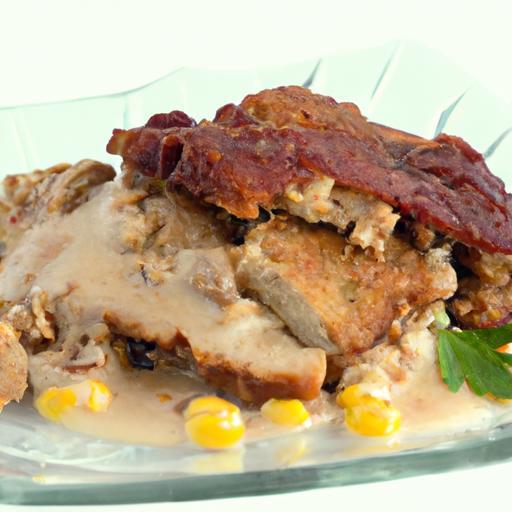
There’s a world of wonder hidden in the textures of our favorite foods-where creamy meets crunchy, and bold flavors spark a delightful dance on the palate. Unlocking the secrets behind these tantalizing textures isn’t just a culinary skill; it’s an art form that transforms ordinary dishes into unusual experiences. In this exploration of creamy,crunchy,and flavorful sensations,we’ll dive deep into the science and creativity that make textures sing,revealing tips and techniques to elevate your cooking from tasty to unforgettable. Get ready to awaken your senses and discover how mastering texture can unlock a whole new dimension of deliciousness.
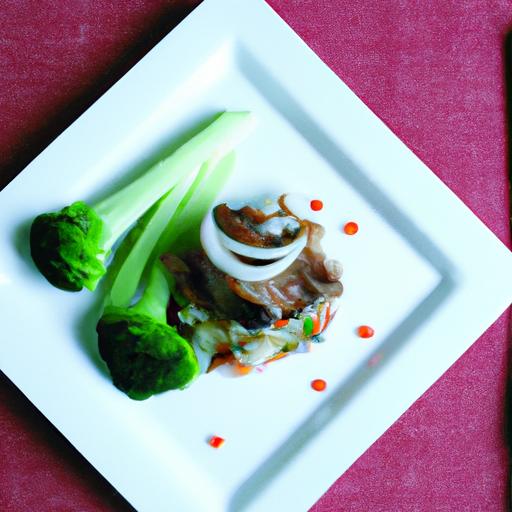
Creamy, crunchy & flavorful textures unite to create an unforgettable sensory experience in this dish – a celebration of culinary science and fresh ingredients married with precise techniques. From the luscious smoothness that coats your palate to the satisfying snap of perfectly fresh elements, each bite showcases how texture elevates flavor to new heights. Today’s recipe unlocks the secrets behind these delightful contrasts,making it approachable whether you’re a seasoned pro or an inspired home cook.
Prep and Cook Time
Prep Time: 20 minutes
Cook Time: 25 minutes
Total Time: 45 minutes
Yield
Serves 4 generous portions
Difficulty Level
Medium – advanced layering but straightforward techniques
ingredients
- 1 cup heavy cream, chilled
- 3 tablespoons unsalted butter
- ½ cup freshly grated Parmesan cheese
- 1 teaspoon fine sea salt, plus more to taste
- ½ teaspoon white pepper
- 2 cups mixed fresh vegetables (e.g., snap peas, bell peppers, and baby carrots), sliced thinly for optimal crunch
- 1 cup toasted walnuts, roughly chopped
- 1 tablespoon extra virgin olive oil
- 2 teaspoons finely chopped fresh thyme
- 1 small garlic clove, minced
- 1 tablespoon lemon zest
Instructions
- Prepare the creamy base: In a chilled mixing bowl, whip the heavy cream until soft peaks form. Gradually fold in parmesan cheese, salt, and white pepper, maintaining a gentle touch to keep the cream airy yet rich. set aside in the refrigerator.
- Toast the walnuts: Heat a dry skillet over medium heat. Add the walnuts and toast, stirring frequently, until golden and aromatic, about 4 minutes. Remove instantly to prevent burning and chop coarsely onc cooled.
- Sauté vegetables: Warm butter with olive oil in a large pan over medium heat. Add garlic and cook until fragrant,about 30 seconds. Toss in the sliced fresh vegetables and sauté just until crisp-tender, about 3-4 minutes. The goal is to coax out natural sweetness while preserving crunch.
- Incorporate fresh herbs and zest: Stir chopped thyme and lemon zest into the vegetables.The bright flavors enhance the dish’s complexity and balance the creamy elements beautifully.
- Assemble the dish: On individual plates or a large serving platter, spoon a generous base of the creamy Parmesan mixture.Layer the sautéed vegetables on top, followed by a sprinkle of toasted walnuts for added crunch and depth.
- Final seasoning: Finish with a small drizzle of olive oil and a pinch of flaky sea salt for an extra burst of flavor and texture contrast.
- Serve immediately to enjoy the interplay of creamy and crunchy textures at their peak.
Chef’s Notes
- For a dairy-free creamy base, substitute heavy cream with full-fat coconut cream whipped to stiff peaks and use nutritional yeast instead of Parmesan.
- Freshness is key: Choose crisp, in-season vegetables to maximize crunch and flavor.
- Toasting nuts releases essential oils, heightening their flavor. Watch closely to avoid bitterness.
- make the creamy base a day ahead and keep chilled, then whip briefly before serving to revive its texture.
- experiment by adding pomegranate seeds or crispy fried shallots to amplify textural contrasts.
Serving Suggestions
Present this dish as a sophisticated side or light main. Garnish with microgreens or fresh herbs like basil to add freshness and color. Serve alongside crusty artisan bread or grilled proteins to complement the rich,creamy components. A crisp, acidic white wine or sparkling water with lemon will perfectly balance the textures and flavors.

| Nutrient | Amount per Serving |
|---|---|
| Calories | 385 kcal |
| Protein | 9 g |
| Carbohydrates | 14 g |
| Fat | 32 g |
Discover more on balance of textures in dishes by exploring our Complete Guide to Texture Techniques. for in-depth science behind emulsification, visit ScienceDaily’s emulsification research.
Q&A
Q&A: Creamy, crunchy & Flavorful – Unlocking Tasty Texture Secrets
Q1: Why are texture and flavor equally critically important in creating a memorable dish?
A1: Imagine flavor as the melody and texture as the rhythm of a song. While flavor delights your taste buds, texture provides the satisfying “beat” that keeps you engaged bite after bite. Together, they compose a full sensory experience that makes food unforgettable.
Q2: What exactly does “creamy” mean in the context of food texture?
A2: Creamy refers to a smooth, rich, and frequently enough luscious mouthfeel that coats your palate gently. Think velvety sauces, silky custards, or buttery mashed potatoes-the kind of texture that feels like a comforting hug for your mouth.
Q3: How do cooks achieve the perfect crunch in recipes?
A3: Crunch is all about contrast and technique. It’s about creating a crisp exterior or a popping bite-like toasted nuts, crispy fried coatings, or fresh veggies.Achieving it involves careful cooking methods (think proper frying or roasting) and choosing ingredients that naturally hold their structure under heat or bite.
Q4: Can a single dish have creamy and crunchy textures at the same time?
A4: Absolutely! That dynamic interplay often takes a dish from good to breathtaking. Picture a silky cheesecake topped with a crunchy graham cracker crust, or a cool scoop of ice cream sprinkled with toasted almonds. The creamy and crunchy combo creates texture tension that delights every sense.
Q5: How do different cultures use textures to enhance their customary dishes?
A5: Around the globe, cultures masterfully weave textures into their culinary stories. Japanese cuisine, for example, celebrates the chewiness of mochi and the crunch of tempura. Latin American dishes often balance creamy avocados with crisp fresh vegetables. These textures don’t just please the palate-they tell a cultural tale thru every bite.
Q6: What role do fresh ingredients play in texture and flavor?
A6: Freshness is texture’s best friend. Crispness in veggies, the snap of fresh herbs, or the creaminess of ripe dairy products all hinge on using high-quality, fresh ingredients. Fresh produce offers natural hydration and structural integrity that boost both flavor and mouthfeel.
Q7: Are there any kitchen tricks to enhance texture without compromising flavor?
A7: Certainly! simple techniques-like chilling dough before baking to get flakier pastry, or blanching vegetables to maintain their crunch and vibrant color-can elevate texture without dulling flavor. Even stirring in toasted seeds or nuts adds delightful crunch and layered taste effortlessly.
Q8: How can home cooks start experimenting with textures in their everyday meals?
A8: Start by mixing elements with contrasting textures on your plate-think creamy dips with crunchy chips, or velvety soups topped with crispy croutons. Play with cooking methods: roast, fry, boil, and blend to discover how each transforms texture.Most importantly, listen to your mouth’s reactions-it’s the ultimate texture guide!
Q9: What’s the secret to balancing texture so it doesn’t overwhelm the dish?
A9: Balance is about harmony, not overload. While crunch adds excitement and creaminess soothes, too much of either can overshadow the flavors or become one-dimensional. Aim for complementary textures that support the dish’s character instead of stealing the spotlight.Q10: Why should we pay more attention to texture when cooking and eating?
A10: Texture heightens enjoyment and can even influence digestion and satisfaction. Engaging multiple senses makes eating a more mindful, joyous experience. Embracing texture is like unlocking a hidden layer of taste-one that transforms eating into a multisensory adventure. So go ahead, crunch, smooth, and savor!
Concluding Remarks
As we’ve uncovered, the magic of memorable dishes lies not only in taste but in the harmonious dance of textures-creamy softness meets satisfying crunch, creating layers of sensory delight. By mastering these texture secrets, you unlock a new dimension of flavor that captivates the palate and keeps cravings alive. Whether you’re whipping up a velvety sauce, adding a crispy topping, or balancing both in a single bite, remember that the interplay of creamy, crunchy, and flavorful elements transforms everyday meals into extraordinary experiences. So next time you cook, think beyond flavor-embrace texture, and let your dishes tell a story your taste buds won’t forget.