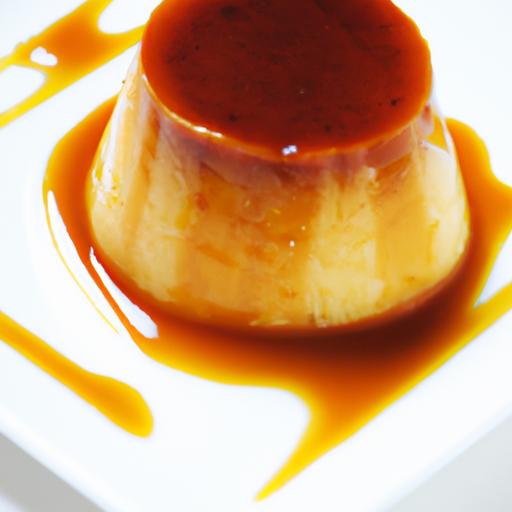

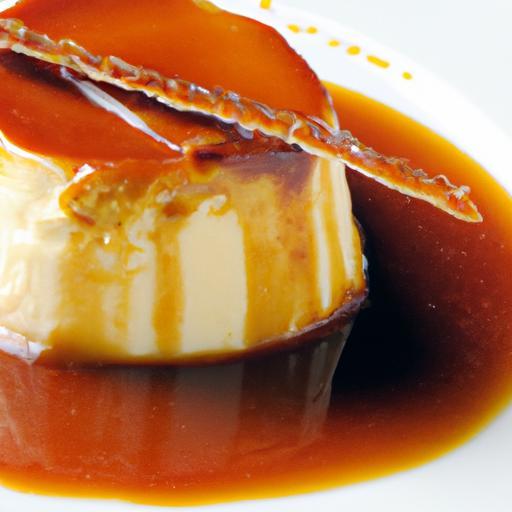
There’s a quiet enchantment hidden within the humble flan, a silky custard crowned with a gleaming amber caramel that seems to capture the very essence of sweetness and science in a single bite. More than just a dessert, flan is a culinary marvel where chemistry and artistry intertwine to create a symphony of texture, flavor, and visual allure. In “Flan Unveiled: The Sweet Science of Caramel Custard Magic,” we embark on a journey beneath the glossy surface to explore the delicate alchemy that transforms simple ingredients-eggs, milk,sugar-into a luscious masterpiece. From the careful caramelization that lends flan its signature golden glaze to the precise custard-setting that achieves that perfect wobble, this article peels back the layers of tradition and technique, revealing how science is the secret ingredient behind flan’s enduring charm. Join us as we decode the sweet science that makes flan a timeless delight across cultures and kitchens worldwide.
Caramel custard magic begins with an intricate balance of heat, timing, and technique that transforms simple ingredients into a rich, velvety dessert cherished worldwide. This classic treat’s allure lies not just in its luscious custard but in the golden caramel layer that crowns it-a perfect harmony of flavors and textures born from the sweet science of caramelization and custard mastery.
Prep and Cook Time
- Preparation: 15 minutes
- Cooking: 50 minutes
- Cooling and chilling: 4 hours (or overnight)
Yield
Serves 6 generous portions
Difficulty Level
Medium – Requires attention to detail but is rewarding for all skill levels
Ingredients
- For the caramel:
- 1 cup granulated sugar
- 1/4 cup water
- For the custard:
- 4 large eggs
- 2 large egg yolks
- 1/2 cup granulated sugar
- 2 cups whole milk
- 1 cup heavy cream
- 1 tablespoon pure vanilla extract
Instructions
- Prepare the caramel: In a heavy-bottomed saucepan, combine granulated sugar and water. Heat over medium without stirring, swirling the pan gently until the sugar dissolves and turns a deep amber color-this takes about 8-10 minutes. Immediately pour the caramel into the bottom of your flan mold or ramekins, swirling to coat evenly. Set aside to harden.
- Preheat the oven: Set to 325°F (160°C). Place a large roasting pan on the middle rack-this will be used for a water bath to cook the flan gently and evenly.
- Make the custard base: In a mixing bowl, whisk together eggs, egg yolks, and granulated sugar until just combined. Warm the milk and cream in a saucepan until steaming (not boiling). Slowly temper the warm milk mixture into the egg mixture by pouring in a thin stream while whisking constantly-this prevents curdling.
- Add vanilla: Stir in pure vanilla extract to infuse the custard with aromatic warmth.
- Strain and pour: Pass the custard through a fine-mesh sieve for the smoothest texture. Pour gently over the set caramel in the molds, filling nearly to the top.
- Bake in a water bath: Place the filled molds into the roasting pan. Carefully pour hot water around them until the water reaches halfway up the sides. Bake for 45-50 minutes, or until the custard is just set but still slightly jiggly in the center.
- Cool and chill: Remove the molds from the water bath and let them cool to room temperature. Then refrigerate for at least 4 hours or overnight for the creamiest texture.
- Unmold with care: Run a thin knife along the edges to loosen. Invert onto a serving plate, allowing the glossy caramel to drizzle captivatingly over the custard.
Chef’s Notes: Tips for Success
- Precision with caramel: Watch closely-the difference between perfect amber and burnt caramel is seconds. Avoid stirring while caramelizing to prevent crystallization. Use a damp pastry brush to wash down sugar crystals on the pot’s sides.
- Custard texture secrets: Tempering room-temperature eggs with warm milk ensures silkiness and prevents curdling. Straining the custard unlocks irresistibly smooth results.
- Water bath importance: The bain-marie provides gentle, even heat, which is crucial for tender custard. Be sure water doesn’t seep into molds; cover them loosely with foil if needed.
- Make-ahead ease: Flan tastes even better the next day. Prepare in advance and store covered in the refrigerator.
- Substitutions: Swap whole milk and cream with coconut milk for a tropical twist, or use almond milk for dairy-free variations (results may vary slightly).
- Flan troubleshooting: If curdling occurs, make sure the custard doesn’t cook at too high a temperature. If caramel hardens too much on unmolding, warm the base plate briefly before turning.
Serving Suggestions
Present your flan with a delicate garnish of freshly whipped cream and a sprinkling of toasted coconut flakes or finely chopped pistachios for a burst of texture and color. A few fresh berries or edible flowers create a stunning contrast against the creamy custard surface. Serve slightly chilled to enjoy the full depth of caramel custard magic. For added elegance, complement with a light espresso or floral white tea.

Nutrition Details (Per Serving)
| Calories | protein | Carbs | Fat |
|---|---|---|---|
| 320 | 8g | 38g | 15g |
Discover more about custard techniques in our classic custard recipes collection. For an in-depth exploration of caramel chemistry, visit Cook’s Illustrated caramelizing sugar guide.
Q&A
Q&A: Flan Unveiled – The Sweet Science of Caramel Custard Magic
Q1: What exactly is flan, and why is it so beloved around the world?
A: Flan, also known as caramel custard, is a luscious dessert that marries velvety eggs, milk, and sugar with the deep, bittersweet notes of caramel. Its universal appeal lies in its silky texture and the harmonious contrast between the creamy custard and the rich caramel topping. Originating from Spain but embraced globally, flan’s simple ingredients hide an alchemical transformation that delights palates everywhere.
Q2: How does caramel become the crown jewel of flan?
A: Caramel is more than just sugar melted to a golden hue; it’s the gateway to flan’s signature flavor. As sugar heats, it undergoes Maillard reactions and caramelization, developing complex compounds that range from nutty to slightly smoky. When poured into the mold, this molten caramel hardens and then melts back into a sauce as the custard cooks and cools, creating that irresistible sweet and slightly bitter glaze that defines flan’s magic.
Q3: What chemical dance happens inside the custard as the flan bakes?
A: The magic of flan’s creamy texture comes from a delicate balance. As the custard mixture heats, egg proteins gently coagulate, trapping milk and cream to form a smooth, tender gel. But the temperature is key-too hot, and the eggs curdle; too cool, and the custard remains runny. Bathing the mold in a water bath during baking ensures even, gentle cooking, coaxing out that flawless custard silkiness.
Q4: Are there variations in flan’s ingredients that affect its texture or flavor?
A: Absolutely! While classic flan relies on simple components-eggs, milk, sugar the magic can be tweaked endlessly. Some recipes incorporate sweetened condensed milk for extra richness, others fold in coconut milk or citrus zest for a tropical twist. The choice of vanilla (extract versus bean) or the inclusion of spices like cinnamon can turn flan into an aromatic adventure. Each tweak subtly shifts the custard’s sweetness, creaminess, and mouthfeel.
Q5: What’s the secret to serving flan perfectly every time?
A: Patience is the unsung hero. Flan must chill thoroughly after baking-ideally overnight set completely and to let the caramel soften into a glossy sauce. When unmolding, a gentle tap and a sharp knife along the edges ease the custard free without cracks or breaks. Served cold, flan offers a refreshing contrast of textures and temperatures, inviting that first spoonful of creamy delight balanced by the bittersweet caramel.
Q6: Can you share a fast tip to elevate homemade flan from good to unforgettable?
A: Infuse your milk with aromatics! Whether it’s a split vanilla bean steeped gently in warm milk, a cinnamon stick simmered briefly, or a hint of coffee, these subtle infusions layer complexity beneath the custard’s surface. The result? A flan that surprises and captivates-transforming a humble dessert into a symphony of flavors.
Unlocking flan’s mysteries isn’t just about following a recipe-it’s about appreciating the delicate science and artistry that turn simple ingredients into a timeless classic. Whether you’re a kitchen alchemist or a dessert devotee, flan offers a sweet enchantment worth savoring.
To Conclude
As we close the lid on our exploration of flan, it’s clear that this deceptively simple dessert is much more than just a sweet treat. Flan is a delicate dance of chemistry and artistry-a caramel custard that transforms humble ingredients into a silky, shimmering marvel. Whether you’re a seasoned pastry chef or a curious home cook, understanding the science behind caramelization and custard setting opens the door to endless creativity and flawless results. So next time you savor a slice of flan, remember: beneath its glossy surface lies a world of sweet science, patiently waiting to be unveiled and enjoyed.