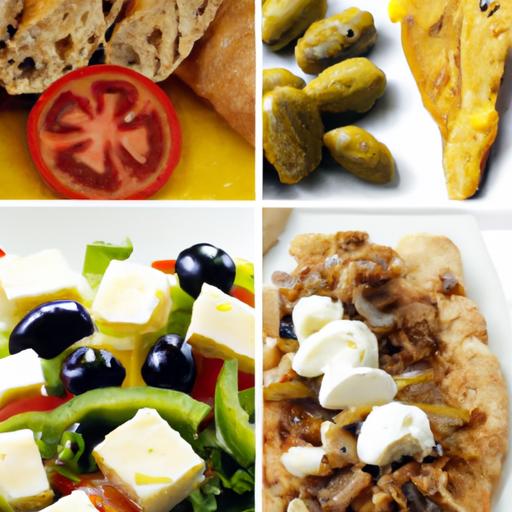

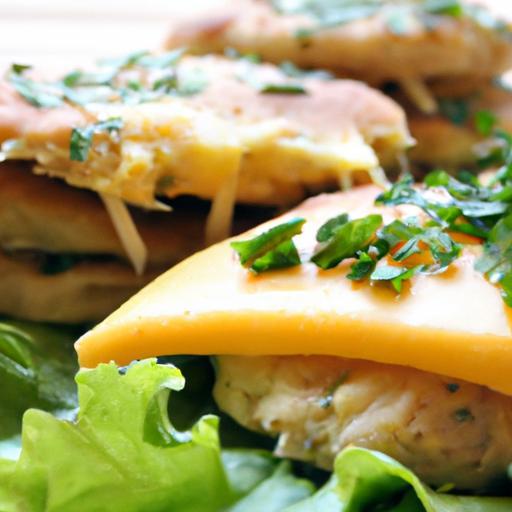
Flatbread is more than just a humble base; it’s a canvas waiting to be painted wiht flavors from around the world. With its golden, crispy edges and soft, pillowy center, flatbread offers endless possibilities to satisfy every craving-whether savory, sweet, or somewhere delightfully in between. In this article, we’ll uncover easy, mouthwatering flatbread recipes that invite you to savor every bite, transforming simple ingredients into irresistible bites of comfort and creativity. whether you’re a kitchen novice or a seasoned food lover, get ready to explore the vibrant world of flatbread flavors that promise to elevate your next meal.
Flatbread Flavors have captivated kitchens around the world, each culture adding its unique spices and techniques to create a vibrant palette of flavorful variations. Whether you crave the nutty depth of Middle Eastern za’atar, the smoky char of Indian tandoori, or the fragrant warmth of Italian herbs, these flatbreads offer endless inspiration to elevate your baking. Let’s embark on a journey exploring global inspirations for unique flatbread flavors, mastering the art of achieving that perfect balance between crispy edges and soft, tender centers, and discovering flavor pairings and creative toppings that can transform your flatbread into an unusual dining experience.
Prep and Cook Time
- Planning: 15 minutes
- Rising Time: 1 hour
- Cooking: 10-12 minutes per batch
Yield
- Makes 6 medium-sized flatbreads
Difficulty Level
- Easy to Medium
Ingredients
- 2 cups all-purpose flour, sifted
- 1 tsp active dry yeast
- 1 tsp sugar
- 3/4 cup warm water (110°F/45°C)
- 2 tbsp olive oil, plus extra for cooking
- 1 tsp sea salt
- Optional flavors: za’atar, cumin, smoked paprika, fresh rosemary, chopped garlic
Instructions
- Activate the yeast: In a small bowl, combine warm water, sugar, and yeast. Stir gently and let it stand for 5-10 minutes until frothy. This step ensures your yeast is alive and ready to work.
- Mix the dough: In a large bowl, whisk together the flour and salt. Make a well in the center and pour in the yeast mixture and olive oil. Use a wooden spoon or your hands to mix until a slightly sticky dough forms.
- Knead: Transfer the dough to a floured surface. Knead for about 8 minutes until smooth and elastic.Add flour sparingly if the dough is too sticky. kneading develops gluten, ensuring your flatbreads have the perfect chew.
- Let it rise: Lightly oil a clean bowl, place the dough inside, cover it with a damp cloth or plastic wrap, and leave it in a warm spot for about 1 hour, until doubled in size.
- Divide and shape: Punch down the risen dough and divide it into 6 equal portions. Roll each ball out on a lightly floured surface into a thin oval or round shape, about 1/4 inch thick. For added flair, sprinkle in some optional herbs or spices while rolling.
- Cook the flatbreads: Heat a cast-iron skillet or heavy non-stick pan over medium-high heat. Add a small drizzle of olive oil. Cook each flatbread for 2-3 minutes on one side, until bubbles form and golden brown spots appear, then flip and cook for another 2-3 minutes. Adjust heat as necessary to achieve crispy edges and a soft interior.
- Rest and serve: Stack the cooked flatbreads on a plate, cover with a clean kitchen towel to keep them warm and soft while you cook the rest.
Tips for Success
- Flavor Infusion: Blend za’atar or garlic with the olive oil before cooking for an aromatic crust. For a smoky twist, add smoked paprika directly into the dough.
- Texture Balance: Avoid rolling the dough too thin to maintain a soft bite under the crispy crust.Experiment with thickness to find your perfect texture.
- Make-Ahead: Prepare the dough a day ahead and refrigerate. Bring it back to room temperature before shaping and cooking to enhance flavor complexity.
- Troubleshooting: If your flatbreads are tough, reduce kneading time slightly. For overly pale breads, ensure your pan is hot enough before cooking.
Serving Suggestions
Serve these flatbreads warm as a base for Mediterranean spreads like hummus and baba ghanoush or loaded with fresh toppings such as tangy feta, ripe cherry tomatoes, and crisp arugula. For a heartier meal, fill with spiced grilled meats, caramelized onions, and cooling yogurt sauce. Garnish with fresh herbs like parsley or mint, and a light drizzle of extra virgin olive oil or pomegranate molasses for a vibrant finish.

| Nutrient | Per Serving (1 flatbread) |
|---|---|
| Calories | 180 kcal |
| Protein | 5 g |
| Carbohydrates | 30 g |
| Fat | 4 g |
For further exploration of bread baking techniques, you might enjoy our artisan Bread Techniques article. Also, for the science behind yeast activation and dough fermentation, King Arthur Baking’s guide is an excellent resource.
Q&A
Q&A: Flatbread Flavors – Easy Recipes to Savor Every Bite
Q1: What makes flatbread such a versatile base for endless flavor combinations?
A1: Flatbread’s simple, chewy canvas is a culinary chameleon. Its neutral taste and pliable texture invite a world of toppings-from tangy herbs to spicy sauces, fresh veggies to melted cheeses-allowing you to tailor each bite to your mood or occasion with ease.
Q2: Can I make flavorful flatbreads at home without a lot of fancy ingredients?
A2: Absolutely! One of the joys of flatbread is its simplicity. Basic pantry staples like flour, water, oil, and salt can become a delicious foundation. Then,layering on everyday ingredients like garlic,olive oil,fresh herbs,or a sprinkle of za’atar transforms it into a gourmet delight with minimal effort.
Q3: How can I add bold flavors without overpowering the flatbread’s texture?
A3: Balance is key. Think vibrant spreads-like a creamy hummus or tangy yogurt dip-as a subtle flavor boost, or fresh toppings like juicy tomatoes and fragrant basil to add dimension. Keep wet ingredients light to prevent sogginess, and finish with a drizzle of extra virgin olive oil or a pinch of sea salt to elevate every bite.
Q4: What’s an easy yet extraordinary flatbread recipe for beginners?
A4: Try a classic garlic and herb flatbread: brush your rolled-out dough with olive oil,sprinkle generously with minced garlic,fresh rosemary,thyme,and oregano,then bake until golden. It’s fragrant, simple, and pairs beautifully with soups, salads, or as a snack on its own.
Q5: Can flatbreads be made vegan or gluten-free without losing flavor?
A5: Definitely! For vegan options, simply skip dairy toppings and opt for fresh veggies, olives, and plant-based spreads. Gluten-free flours, like chickpea or rice flour blends, work well for flatbreads, though the texture will be slightly different.Experiment with herbs, spices, and flavorful oils to keep every bite vibrant and satisfying.Q6: How can I turn flatbreads into a complete meal?
A6: Top your flatbread with protein-rich ingredients such as grilled chicken, marinated tofu, or smoky beans.Add fresh greens, crunchy nuts, and a zingy dressing to create a multi-textured, nutritionally balanced dish that feels indulgent yet wholesome.
Q7: What storage tips help keep homemade flatbreads fresh and tasty?
A7: Store flatbreads in an airtight container at room temperature for up to two days. For longer keeping, freeze them wrapped in foil or parchment; when ready to eat, reheat in a hot skillet or oven to revive that crisp, fresh-from-the-oven charm.
Enjoy exploring the world of flatbread flavors-each recipe a new adventure in savoring every bite, one delicious layer at a time!
Final Thoughts
As the last crumbs of your favorite flatbread disappear, you’ll find that these simple, versatile recipes offer more than just a meal-they open a world of flavors to explore and savor with every bite. Whether you prefer the classic rosemary and garlic or crave bold, unexpected toppings, flatbreads invite creativity without complexity. So next time hunger calls, remember: a perfect flatbread is never far away, ready to turn ordinary ingredients into extraordinary moments.happy baking, and even happier tasting!