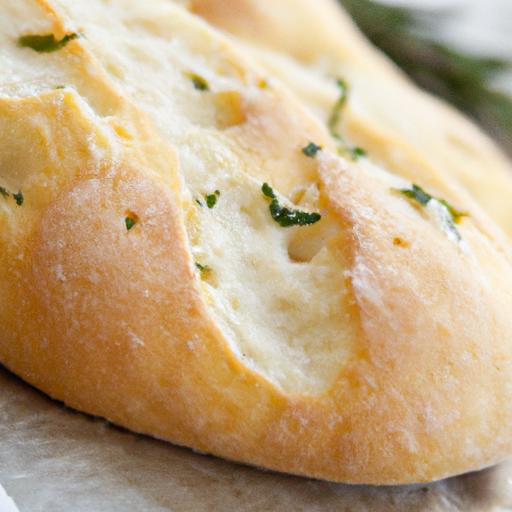

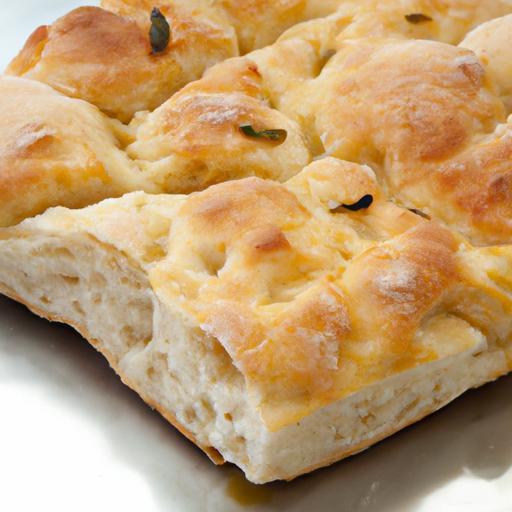
There’s something truly magical about biting into a piece of focaccia bread-the delicate balance of a crisp, golden crust giving way to an airy, pillow-soft interior that melts in yoru mouth. Yet, achieving that perfect fluffiness at home can feel like an elusive art. Fear not, aspiring bakers: mastering the art of perfectly fluffy focaccia is within your reach. In this article, we’ll unravel the secrets behind this iconic Italian bread, guiding you step-by-step through techniques and tips that transform simple ingredients into a masterpiece of texture and flavor.Prepare to elevate your baking skills and fill your kitchen with the irresistible aroma of freshly baked focaccia that invites all to gather, share, and savor.
Master the art of perfectly fluffy focaccia bread recipe by understanding how to select the ideal flour and yeast, master hydration and dough handling, and unveil techniques that create that irresistible airy crumb paired with a delectably crispy crust. This Italian classic is more than just bread-it’s a canvas for creativity and a party of craft.
Prep and Cook Time
- Preparation: 20 minutes
- Proofing: 1 hour 30 minutes (including bulk and final rise)
- Baking: 20-25 minutes
- Total Time: Approximately 2 hours 15 minutes
Yield
one large focaccia, serving 8 to 10 peopel.
Difficulty Level
Medium – ideal for excited home bakers ready to elevate their bread-making skills.
ingredients
- 500g bread flour, sifted (preferably high-protein for ultimate softness)
- 10g fine sea salt
- 7g active dry yeast (or 15g fresh yeast, crumbled)
- 350ml lukewarm water (around 38°C/100°F)
- 50ml extra virgin olive oil, plus extra for drizzling
- 2 tsp honey or sugar (to activate yeast)
- Fresh rosemary sprigs (optional)
- Coarse sea salt flakes for finishing
Instructions
- Activate the Yeast: In a small bowl, combine lukewarm water and honey.Sprinkle the active dry yeast over the surface and let it bloom for 5-10 minutes until frothy. This signals a healthy, active yeast ready to add life to your dough.
- Mix the Dough: In a large mixing bowl, whisk together the bread flour and fine sea salt. Make a well in the center and pour in the frothy yeast mixture along with 50ml olive oil. Stir with a wooden spoon until a shaggy dough forms.
- First Kneading & hydration: Flour brings protein, but hydration unlocks lightness. Transfer the dough to a clean surface and knead for about 8-10 minutes until smooth and elastic. The dough will feel slightly tacky; this is perfect for hydrated dough,promoting their signature airy crumb.
- Bulk Fermentation: Oil a clean bowl and place the dough inside, turning once to coat it with oil. Cover loosely with plastic wrap or a damp cloth. Let rise at room temperature for 1 to 1¼ hours until doubled in size. This step builds flavor and texture.
- Shape and Second Rise: Gently transfer the dough to a generously oiled 9×13-inch baking pan. using oiled fingertips, dimple the dough deeply all over, creating pockets perfect for olive oil and air. cover and allow to rise 30-40 minutes until puffy but not over-proofed.
- Add Toppings: Drizzle with extra virgin olive oil, sprinkle coarse sea salt, and scatter fresh rosemary sprigs evenly across the surface to enhance aroma and visual appeal.
- Bake to Crispy Perfection: Preheat your oven to 230°C (450°F). Bake for 20-25 minutes until the focaccia is golden with a crispy crust and an airy crumb. Let cool slightly before slicing to set the texture.
Tips for Success
- Flour selection: Using bread flour with a protein content of 12-14% ensures better gluten advancement, which traps gas and promotes that beautiful, fluffy air pocket texture.
- Yeast choice: Active dry yeast delivers consistent rise and flavor, but experimenting with fresh yeast can add a subtle complexity to your dough.
- Hydration is key: Focaccia dough is wetter than conventional bread dough, so don’t be tempted to over-flour; a tacky dough yields the legendary open crumb.
- Gentle handling: Avoid punching down the dough too aggressively during shaping; preserve those delicate air bubbles for the lightness that’s signature to focaccia.
- Aromatics play a starring role: Rosemary and coarse salt marry fragrant and savory notes that elevate every bite.
- Make-ahead: Dough can ferment overnight in the fridge (cold fermentation) to deepen flavor. Bring to room temperature before shaping and baking.
Serving Suggestions
Serve your freshly baked focaccia warm, drizzled with high-quality extra virgin olive oil. Pair with a bowl of rich tomato soup, a selection of olives, or thinly sliced prosciutto for a rustic Italian-inspired feast. garnish with freshly cracked black pepper or additional rosemary sprigs for that picture-perfect finish. For visually stunning presentation, slice into squares or wedges and serve on a wooden board lined with parchment paper.

| nutrient | Per Serving (1 slice) |
|---|---|
| Calories | 180 kcal |
| Protein | 5 g |
| Carbohydrates | 26 g |
| Fat | 6 g |
For further insight into the science of gluten and yeast,visit King Arthur Baking’s Bread science Guide. You can also explore our Easy Homemade Bread Recipes for more inspiration.
Q&A
Q&A: Master the Art of Perfectly Fluffy Focaccia Bread
Q1: What makes focaccia bread different from other types of bread?
A: Focaccia is frequently enough described as the Italian cousin of pizza dough-thick, pillowy, and kissed with olive oil.Unlike crusty artisan loaves, focaccia boasts an airy crumb with a delicate chew and those signature dimpled pockets that soak up flavors beautifully.It’s distinct charm lies in its perfect balance between crisp exterior and fluffy interior.
Q2: Why is achieving the perfect fluffiness in focaccia challenging?
A: The fluffiness of focaccia hinges on getting the gluten development, hydration, and fermentation just right. Too little hydration can leave it dense; over-fermentation causes it to collapse. The trick is to coax out that airy interior while maintaining enough structure to hold its shape and those inviting dimples.
Q3: How vital is hydration in making fluffy focaccia?
A: Hydration is the magic potion! Higher hydration dough (often 70% or more water by flour weight) gives focaccia its soft, open crumb. The water helps create steam inside the dough as it bakes, encouraging that beautiful rise and tender texture. But beware-too wet and the dough can become unmanageable,so a gentle hand and practice are key.
Q4: Can I use any type of flour for focaccia?
A: While all-purpose flour works fine, using bread flour can elevate your focaccia to cloud-like levels thanks to its higher protein content, which builds stronger gluten networks. For even more fluffiness and a subtle nutty flavor, some bakers like to blend in a bit of whole wheat or semolina flour. Experimenting with flours can be part of the fun!
Q5: What role does olive oil play in the recipe?
A: Olive oil is the golden elixir of focaccia-infusing the bread with moisture, richness, and that signature savory aroma.It also crisps up the crust during baking and prevents drying. Don’t be shy: generous drizzles both in the dough and on top before baking create that irresistible golden sheen and mouthwatering flavor.
Q6: How do those classic dimples form on focaccia?
A: Those inviting indentations aren’t just for looks! Pressing your fingertips gently into the dough before baking creates dimples that trap olive oil,herbs,and seasoning,adding pockets of flavor and moisture. This step is essential for authentic focaccia and helps give the surface its characteristic texture.
Q7: How long shoudl I ferment my focaccia dough?
A: Fermentation is where flavor and texture develop their magic. Typically, a primary rise of 1 to 2 hours until doubled, followed by a gentle second rise after shaping, works beautifully. Some bakers swear by a slow, overnight cold fermentation in the fridge to deepen flavor and improve fluffiness-definitely worth experimenting with!
Q8: Any tips for baking focaccia to perfection?
A: Bake at a high temperature, usually around 450°F (230°C), to quickly create a crisp crust while keeping the inside soft. Using a baking stone or a heavy sheet pan helps distribute heat evenly. Just before it goes into the oven, drizzle it again with olive oil and sprinkle coarse salt-these final touches elevate your focaccia from good to unforgettable.
Q9: Can I add toppings while keeping the bread fluffy?
A: Absolutely! Classic focaccia toppings like rosemary, sea salt, cherry tomatoes, olives, or caramelized onions complement the bread’s fluffiness. Just be gentle when pressing toppings so you don’t deflate the dough’s airy structure. think of toppings as the crowning jewels on your fluffy canvas.
Q10: What’s the best way to enjoy freshly baked focaccia?
A: Focaccia is a versatile delight-slice it warm with a drizzle of extra virgin olive oil for dipping,use it to build a rustic sandwich,or serve alongside soups and salads. Its fluffy texture and savory notes make it a perfect companion for almost any meal. And remember, the freshest focaccia is always the fluffiest!
Mastering fluffy focaccia is a dance between science and art-embrace the process, savor the aromas, and you’ll soon pull from your oven clouds of golden, pillowy heaven. Happy baking!
In Conclusion
With these tips and techniques in hand, you’re now equipped to transform simple ingredients into a loaf of perfectly fluffy focaccia that’s as inviting as it is irresistible.Remember, mastering this art is all about patience, practice, and a little love kneaded into every batch. Whether enjoyed fresh from the oven or paired with your favorite toppings, your homemade focaccia will surely become a centerpiece of countless meals. So go ahead-embrace the process, savor the aroma, and let each bite remind you that the perfect focaccia is not just bread, but a celebration of culinary craft brought to life.