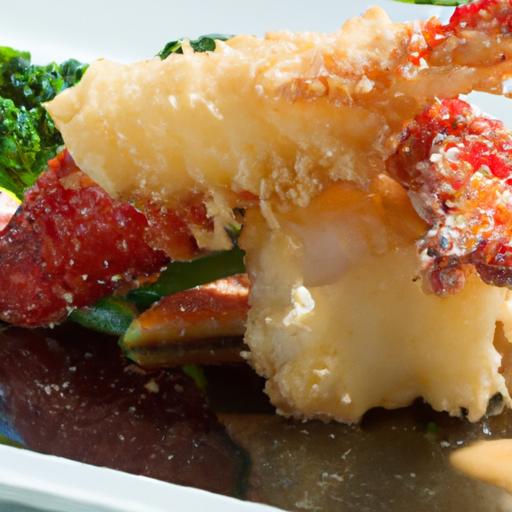

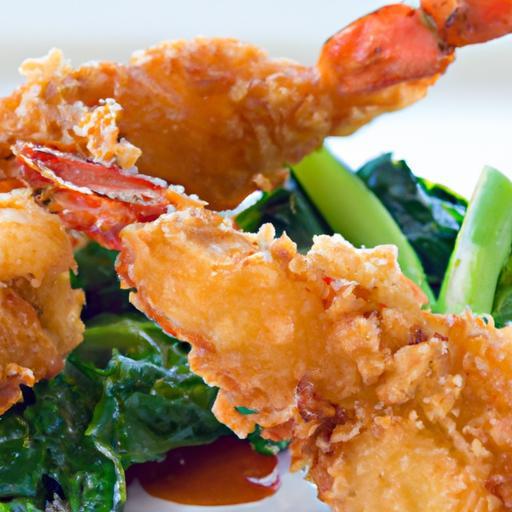
There’s a certain magic to the sizzle of lobster tails hitting hot oil-a tantalizing promise of crisp, golden perfection that beckons seafood lovers from near and far. “Golden Crispy Delight: The Art of Fried Lobster Tails” dives deep into this exquisite culinary tradition, unveiling the secrets behind achieving that irresistibly crunchy exterior while preserving the tender, sweet essence of the succulent lobster meat within.
from selecting the freshest catches to mastering the ideal breading and frying techniques, this article serves as your flavorful guide to elevating a luxury ingredient into a sensational, crispy masterpiece that delights both the palate and the senses. Whether you’re a seasoned chef or an adventurous home cook, prepare to embark on a gastronomic journey where art meets deep-fried decadence.
Golden Crispy Delight: The Art of Fried Lobster Tails
Golden Crispy Delight begins with selecting the freshest lobster tails, combining an ideal batter blend, and mastering the art of even frying to achieve that irresistible contrast of crunchy exterior and tender, juicy meat inside. This dish celebrates the coastal tradition of seafood frying yet elevates it with precision and finesse, creating a crispy treat that dazzles both the eyes and palate.
Prep and Cook Time
Preparation: 20 minutes
Cooking: 10 minutes
Total time: 30 minutes
Yield
Serves 4
Difficulty Level
Medium
Ingredients
- 4 fresh lobster tails, thawed if frozen, shells split lengthwise
- 1 cup all-purpose flour, sifted
- 1 teaspoon baking powder
- 1/2 teaspoon smoked paprika
- 1/2 teaspoon garlic powder
- 1 teaspoon kosher salt
- 1/2 teaspoon freshly ground black pepper
- 1 large egg
- 3/4 cup cold sparkling water (for lightness and crispiness)
- 1 cup panko breadcrumbs, lightly crushed for extra crunch
- Vegetable oil or light peanut oil, for frying
- Fresh lemon wedges, for serving
- Chopped fresh parsley, for garnish
Instructions
- Prepare the lobster tails: Using kitchen shears, carefully split each lobster tail shell down the center, exposing the meat without separating it from the shell. Gently loosen the meat from the shell, allowing it to rest atop but still attached. Pat dry with paper towels to remove excess moisture.
- Make the batter: In a medium bowl, whisk together sifted all-purpose flour, baking powder, smoked paprika, garlic powder, kosher salt, and black pepper. In a separate bowl, beat the egg and then slowly stir in the cold sparkling water. Gradually fold the wet mixture into the dry ingredients until just combined-do not overmix; small lumps are ideal for a light, golden crust.
- Prepare the coating station: Place the batter and crushed panko breadcrumbs side by side; each lobster tail will be dipped first in batter, then coated in panko for maximum crunch.
- Heat the oil: In a deep cast-iron skillet or heavy-bottomed pot, add vegetable oil to a depth of about 2-3 inches. Heat the oil to 350°F (175°C) using a thermometer for accuracy-this ensures even frying and prevents soggy crusts.
- Fry the lobster tails: Holding the tail by the shell base, dip the exposed lobster meat into the batter, letting excess drip off, then immediately dredge in the panko breadcrumbs, pressing lightly to adhere. Gently lower the coated tail into the hot oil. Fry 2-3 tails at a time, maintaining the oil temperature. Cook until the batter is a glowing golden brown, about 3-4 minutes per side. Use a slotted spoon to turn them carefully halfway through.
- Drain and rest: Remove fried tails onto a wire rack set over a baking sheet to drain excess oil and keep crispiness intact. Let rest for 2 minutes to allow the internal meat to finish cooking gently and retain juiciness.
Tips for Success
- Freshness is key: Always choose lobster tails that are firm and have a fresh ocean scent. Avoid any with discoloration or an overly fishy smell, which affects both flavor and texture.
- Use sparkling water: The carbonation adds airiness to the batter for a delicate crunch, a trick employed by seafood chefs around the world.
- Maintain oil temperature: Consistent 350°F frying keeps the batter crisp without absorbing excess oil; use a thermometer for the best results.
- Don’t overcrowd the pan: Fry in small batches to prevent the temperature from dropping, which can cause greasy, soggy lobster tails.
- make-ahead: For convenience, prepare the batter and panko coating up to 30 minutes before frying, keeping them chilled separately until ready.
Serving Suggestions and Complementary Dips
Present your Golden Crispy Delight lobster tails on a large platter lined with fresh lettuce leaves or a banana leaf for a vibrant, tropical vibe. Garnish with a sprinkle of fresh chopped parsley and a few crispy lemon wedges for an aromatic, zesty finish. Accompanied by dipping sauces tailored to enhance the lobster’s sweetness and the batter’s crunch:
- Classic garlic aioli: Creamy yet pungent, it adds richness without overpowering.
- Spicy sriracha mayo: Provides a smoky heat contrast that wakes the palate.
- Fresh herb tartar sauce: Shining and tangy, bringing herbal brightness that pairs beautifully with seafood.
For a side, consider pairing with crisp coleslaw or roasted fingerling potatoes tossed with fresh rosemary, which balance texture and flavor harmoniously.
Nutritional Details
| Nutrient | Per Serving |
|---|---|
| Calories | 450 |
| Protein | 35g |
| Carbohydrates | 25g |
| Fat | 18g |
Explore more on crispy seafood frying techniques to elevate your home cooking further. For additional culinary inspiration and quality lobster sourcing, visit NOAA’s lobster resource page.

Q&A
Q&A: Golden Crispy Delight – The Art of Fried Lobster Tails
Q1: What makes fried lobster tails a standout dish in the seafood world?
A1: Fried lobster tails transform the luxurious, sweet meat of lobster into a crispy, golden masterpiece. The contrast between the tender interior and the crunchy exterior turns each bite into a symphony of textures and flavors, elevating a classic delicacy to a crunchy delight that’s both indulgent and irresistibly satisfying.
Q2: How do chefs achieve that perfect golden crust without drying out the lobster meat?
A2: The key lies in precise temperature control and timing. The lobster tails are typically coated in a seasoned batter or breadcrumb mixture, which seals in moisture. By frying them at the ideal oil temperature-usually around 350°F (175°C)-the crust crisps up quickly, locking in the lobster’s natural juiciness and preventing it from becoming rubbery or dry.
Q3: What kinds of batters or coatings work best for fried lobster tails?
A3: The classic approach involves a light, airy batter such as a buttermilk or tempura style, which crisps beautifully without overpowering the delicate lobster flavor. Alternatively, panko breadcrumbs combined with herbs and spices provide a satisfying crunch and a savory kick. Some chefs even infuse the coating with subtle citrus zest or smoked paprika to add an extra layer of complexity.
Q4: Can home cooks replicate restaurant-quality fried lobster tails?
A4: Absolutely! With fresh lobster tails, a thermometer for oil temperature, and a reliable recipe, home cooks can master this dish. The trick is preparing the lobster properly-removing shells and veins-and not overcrowding the pan, which ensures even frying. Patience and attention to detail can yield impressive, golden results right in your own kitchen.
Q5: What sauces or sides complement fried lobster tails best?
A5: Fried lobster tails shine when paired with bright, zesty sauces that cut through their richness. Classic options include lemon garlic aioli, tangy remoulade, or a spicy sriracha mayo. For sides, think fresh, light accompaniments like crisp salad greens, roasted vegetables, or buttery corn on the cob. These balance the indulgence with refreshing notes for a harmonious meal.
Q6: Why has fried lobster become a popular trend in contemporary cuisine?
A6: Fried lobster tails embody a playful fusion of luxury and comfort food-melding the decadence of lobster with the universally loved crunch of fried dishes. This combination appeals to both traditionalists and adventurous eaters, offering an approachable way to enjoy a high-end ingredient with a fun, satisfying twist.
Q7: Any tips for selecting lobster tails that fry up beautifully?
A7: Freshness is paramount. Look for firm, translucent lobster tails with a sweet aroma, avoiding any with off-putting smells or discoloration. Medium-sized tails usually provide the ideal balance-large enough to deliver satisfying portions but small enough to cook evenly and quickly, preserving their tender texture.
Whether you’re a seasoned chef or an enthusiastic foodie, mastering the art of fried lobster tails opens the door to a golden, crispy delight that tantalizes both palate and imagination. Ready to dive into this crustacean crunch sensation? Happy frying!
Final Thoughts
In the symphony of seafood dishes, the golden crispy lobster tail stands out as a masterpiece bite a harmonious blend of succulent sweetness and irresistible crunch. Mastering the art of frying lobster tails is not just about technique; it’s an invitation to elevate a luxurious ingredient into a comfort food classic. Whether you’re a seasoned chef or a culinary adventurer, embracing this golden crispy delight promises a rewarding journey from pan to plate. So next time you crave something unusual, remember: the perfect fried lobster tail is more than a meal-it’s an experience worth savoring.