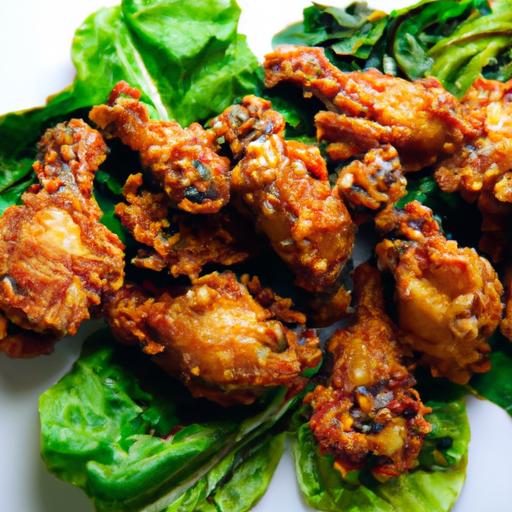

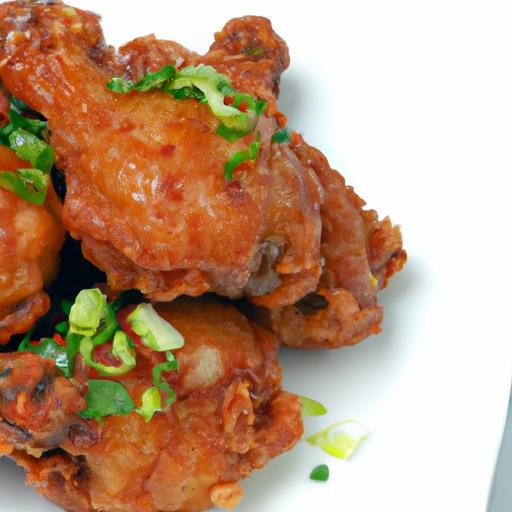
There’s something undeniably captivating about Korean fried chicken-a perfect harmony of crunch, spice, and savor that dances on the palate with every bite. More than just a popular snack or late-night indulgence, this crispy delight has evolved into a culinary phenomenon, celebrated for its unique double-frying technique and flavorful glazes. In this article, we’ll peel back the layers of Korea’s beloved fried chicken, uncovering the secrets behind its addictive texture, the artistry of its sauces, and the cultural story that has catapulted it from humble street food to global stardom. Get ready to embark on a flavorful journey that reveals why Korean fried chicken is more than just comfort food-it’s a crispy masterpiece worth savoring.
Crispy Delight Korean fried chicken captures the perfect harmony between a shatteringly crunchy exterior and tender, juicy meat inside-a culinary magic that has captivated food lovers worldwide. Rooted in Korea’s innovative twist on conventional fried chicken, this dish delivers layers of texture and taste by balancing meticulously crafted batters with bold, luscious sauces. Whether you’re craving the classic soy-garlic glaze or a fiery gochujang-based sauce, mastering the crisp and succulence unlocks an explosion of flavors that elevate any meal into a festive occasion.
Prep and Cook Time
- Prep Time: 30 minutes
- Marinating Time: 1 hour (optional but recommended)
- Cook Time: 15 minutes
- Total Time: Approximately 1 hour 45 minutes
Yield
- 4 servings (about 12 pieces of chicken wings or drumettes)
Difficulty level
- Medium – requires careful frying technique and sauce balancing but is approachable for home cooks
Ingredients
- 1.5 lbs chicken wings or drumettes, skin on, thawed and patted dry
- 1 cup all-purpose flour, sifted
- 1 cup cornstarch
- 1 tsp baking powder
- 1 tsp garlic powder
- 1 tsp salt
- 1 tsp black pepper, freshly ground
- 1 cup cold water
- Vegetable oil for deep frying (enough to submerge chicken pieces)
- Marinade: 2 tbsp soy sauce, 1 tbsp rice wine (optional), 1 tsp grated ginger, 1 tsp minced garlic
- Classic Korean sauce: 2 tbsp soy sauce, 2 tbsp honey, 1 tbsp sesame oil, 1 tbsp minced garlic, 1 tbsp finely chopped scallions
- Spicy gochujang sauce (optional): 3 tbsp gochujang (Korean chili paste), 2 tbsp honey, 2 tbsp soy sauce, 1 tbsp rice vinegar, 1 tbsp sesame oil, 1 tsp minced garlic
- Sesame seeds and scallion slices for garnish
Instructions
- Marinate the chicken: Combine soy sauce, rice wine, ginger, and garlic in a bowl. Toss the chicken wings, cover, and refrigerate for 1 hour. This step infuses the meat with subtle flavor and helps keep it juicy.
- Prepare the batter: in a mixing bowl, whisk together all-purpose flour, cornstarch, baking powder, garlic powder, salt, and pepper. Gradually add cold water to create a thick yet smooth batter-aim for a consistency that will cling well to the chicken without dripping excessively.
- Heat the oil: Pour vegetable oil into a deep-fryer or heavy pot to reach a depth of about 3 inches. Heat the oil to 350°F (175°C). Use a thermometer for accuracy-proper temperature is critical for achieving crispiness without oil saturation.
- Coat and fry (first fry): Dip the marinated chicken pieces into the batter, ensuring even coverage. Carefully lower into the hot oil and fry until pale golden and cooked through, about 6-7 minutes. Remove and drain on a wire rack or paper towels.
- Rest and double fry for crunch: Allow the chicken to cool for 10 minutes. Reheat the oil to 375°F (190°C). Fry the chicken again, this time until deep golden brown and irresistibly crispy, approximately 2-3 minutes. Double frying locks in crispness and seals the juices inside.
- Prepare the sauce: In a small saucepan, combine your choice of sauce ingredients-classic Korean sauce or spicy gochujang. Gently heat over low flame,stirring until honey dissolves and the sauce thickens slightly (about 3 minutes). Remove from heat.
- Toss and glaze: Place double-fried chicken in a large bowl. Drizzle the warm sauce over the chicken and toss gently to coat each piece evenly without compromising the crunch.
- Garnish and serve: Sprinkle with toasted sesame seeds and scallion slices for a fresh, nutty contrast. Serve instantly to enjoy the full symphony of crunch and juiciness.
Chef’s Notes and Tips for Success
- Use cold water for the batter: Cold batter slows gluten formation, ensuring light, crisp crust.
- Don’t overcrowd the fryer: Fry in batches to maintain consistent oil temperature and prevent sogginess.
- Try duck fat or peanut oil: For extra flavor and high smoke points, substitute vegetable oil with these.
- Make ahead: Marinate chicken up to 24 hours prior for deeper flavor. Prepare sauce in advance and reheat gently.
- Gluten-free option: Substitute rice flour for all-purpose flour and use tapioca starch for a similarly crispy texture.
- For extra crunch: Add 2 tbsp rice flour or potato starch to the batter mix.
Serving Suggestions
This Korean fried chicken is a crowd pleaser best paired with classic crisp sides like pickled radish (mu), a cold beer, or steamed jasmine rice to balance heat and sweetness. Present on a wooden platter lined with parchment paper for rustic charm, garnished generously with toasted sesame seeds and fresh scallion curls. For saucier variants, include small dipping bowls with extra sauce for guests to customize their bites. Add a crisp cucumber salad dressed lightly with rice vinegar and a sprinkle of chili flakes for refreshing contrast.

| Nutrient | Per Serving |
|---|---|
| Calories | 450 kcal |
| Protein | 35 g |
| Carbohydrates | 25 g |
| Fat | 22 g |
For more Korean cooking inspiration, explore our detailed guide to Korean sauces. To dive deeper into the history and science behind frying techniques, visit Serious Eats frying science.
Q&A
Q&A: Crispy Delight – Exploring the Secrets of korean Fried Chicken
Q1: What makes Korean fried chicken different from regular fried chicken?
A: Korean fried chicken stands apart with its ultra-crispy, crackly crust that doesn’t get soggy even hours after frying. Unlike traditional fried chicken, Korean versions are often double-fried, which renders out excess fat and creates a delicate, crunchy shell. Plus, the bold, flavorful glazes-ranging from sweet and spicy gochujang to soy garlic-add layers of complexity you don’t usually find in Western fried chicken.
Q2: Why is double frying essential in making Korean fried chicken?
A: Double frying is the secret weapon behind that iconic crispiness. The first fry cooks the chicken through, while the second fry, at a higher temperature, crisps up the skin to perfection and locks in juiciness inside. This technique prevents the chicken from becoming greasy or soggy, resulting in a light, crackling exterior that’s simply irresistible.
Q3: How do the sauces contribute to the Korean fried chicken experience?
A: Sauces are practically the heart and soul of Korean fried chicken. Whether it’s the fiery kick of yangnyeom (a sticky, spicy glaze made from gochujang), the savory-sweet balance of soy garlic, or the refreshing tang of a mustard-based dip, these sauces transform fried chicken into a multi-sensory delight. They highlight Korea’s love for bold, harmonizing flavors that excite the palate without overpowering the crisp texture.
Q4: Can you replicate Korean fried chicken at home, or is it mainly a culinary art for restaurants?
A: While professional kitchens have honed their craft over years, making Korean fried chicken at home is very achievable with the right tips.The essentials: brining or marinating the chicken for tenderness, using potato starch or a flour mix for the coating to get that signature crunch, and mastering the double fry technique. Finishing with a freshly tossed glaze completes the experience. With a little practice, your kitchen can become a haven for crispy delights!
Q5: Aside from chicken, are there other traditional Korean fried foods worth exploring?
A: Absolutely! Korea’s love for crispy textures extends beyond chicken. Ddeokbokki (spicy rice cakes) can be coated and fried for extra crunch, and items like fried dumplings (mandu) or tempura-style vegetables offer diverse textures and flavors. Exploring these alongside Korean fried chicken opens up a delightful world where crunch meets bold seasoning at every bite.
Q6: What cultural factors helped popularize Korean fried chicken globally?
A: Korean fried chicken’s global rise is intertwined with the Korean Wave (Hallyu), including K-pop, dramas, and cinema, which spotlight korean food culture. The dish’s shareable, casual nature makes it perfect for social gatherings, often paired with cold beer or soju-creating an inviting communal dining experience. Its unique combination of crunch and flavor captivated taste buds worldwide, rapidly turning it into a beloved culinary export.
Embark on your own crispy adventure with Korean fried chicken-where technique and tradition collide to create a delectably addictive crunch!
The Way Forward
As the final crunch lingers and the last drop of tangy sauce fades, Korean fried chicken reveals itself not just as a dish, but as a culinary experience-a perfect harmony of texture, flavor, and tradition. Behind every crispy bite lies a meticulous dance of techniques and secret ingredients, passed down and perfected through time. Whether enjoyed in a bustling Seoul street market or recreated in your own kitchen, Korean fried chicken invites you to savor its crispy delight and discover the stories that make it truly unforgettable. So next time you crave something crispy, crunchy, and utterly satisfying, remember: the secret’s in the crisp.