
There’s something undeniably satisfying about sinking your teeth into a perfectly cooked ribeye steak-the rich marbling melting into tender, juicy meat with every bite. But mastering this culinary classic isn’t just luck; it’s an art that balances technique, timing, and quality ingredients. Whether you’re a seasoned grill master or a home cook eager to elevate your dinner game, this flavorful recipe guide will walk you through the secrets to achieving steakhouse-worthy ribeye perfection. Prepare to unlock mouthwatering flavors and impress your palate with each sizzling slice.
Choosing the Ideal Ribeye Cut for Maximum Flavor
Mastering the perfect ribeye steak begins with selecting the right cut, as quality dramatically impacts flavor and tenderness. Look for a well-marbled ribeye with rich veins of fat running through the meat. This intramuscular fat melts during cooking, infusing the steak with buttery juiciness and an irresistible aroma. Opt for a cut that is at least 1 to 1.5 inches thick to ensure a juicy interior with a beautifully seared crust. Prime grade or USDA Choice cuts are excellent choices for unbeatable flavor and texture. When buying, fresh, bright red coloring with firm texture is key, and avoid steaks that appear dry or have discolored edges.
Essential Seasoning Techniques to Elevate Your Steak
Seasoning is your ticket to unlocking the ribeye’s bold character. Start simply: use kosher salt and freshly cracked black pepper to highlight the natural beef flavor without overpowering it. For best results, season generously on both sides at least 40 minutes before cooking or even the night before, allowing the salt to penetrate and tenderize the meat. For an aromatic boost, consider a light dusting of garlic powder, smoked paprika, or fresh herbs like rosemary and thyme during the final stages of searing. Applying a thin brush of high-smoke-point oil, such as avocado or grapeseed oil , just before searing, promotes an even crust. Remember, the goal is to enhance the steak’s essence – less is often more.
Mastering the Art of Searing for a Perfect Crust
Achieving a flawless crust is where technique meets patience. Use a heavy-bottomed cast-iron skillet or a grill preheated until it radiates intense heat. Pat your ribeye dry with paper towels before cooking to eliminate moisture that hinders browning. Add oil just before the steak hits the pan, then press the steak gently to ensure even contact with the surface.
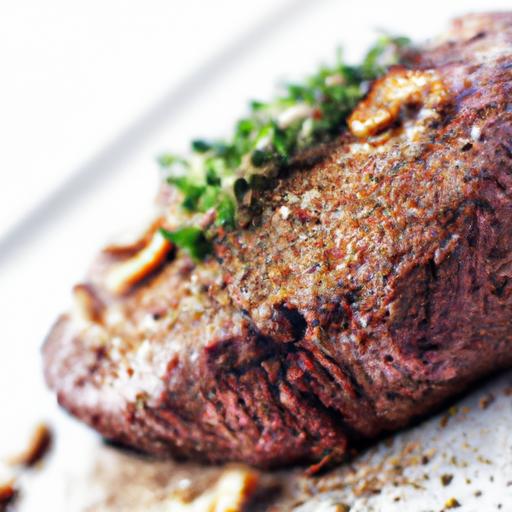
Sear each side for about 3-4 minutes without disturbing the steak to allow the Maillard reaction to create that signature golden crust bursting with flavor. baste the steak with melted butter and fresh herbs in the last minute to add richness and aroma. Use a meat thermometer to check internal temperature – 130°F (54°C) for medium-rare, the ideal balance of juicy and tender.
Resting and Serving Tips to Lock in Juiciness and Taste
Once seared, it’s crucial to let the ribeye rest for at least 5 to 10 minutes. Resting allows the juices to redistribute within the meat, preventing precious moisture from escaping the moment you slice. Tent the steak loosely with foil to keep it warm without steaming the crust.
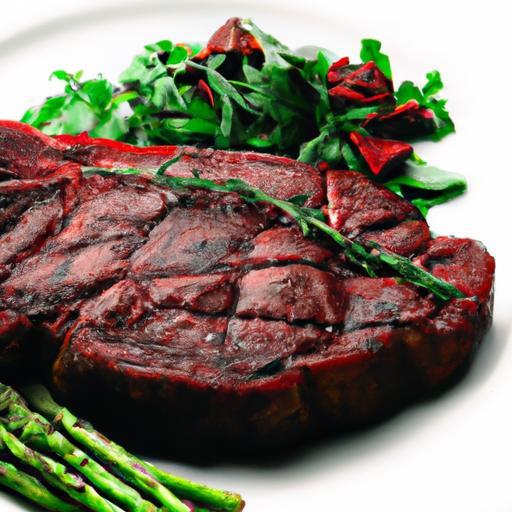
Slice against the grain for the most tender bite, and finish with a sprinkle of flaky sea salt or freshly chopped parsley to brighten the plate. Pair your perfect ribeye steak with creamy mashed potatoes, charred asparagus, or a crisp arugula salad for a well-rounded experience. Don’t forget a glass of bold red wine or your favorite craft beer – the perfect companions to celebrate every juicy, flavorful bite.
Prep and Cook Time
- Preparation: 10 minutes (+ 40 minutes seasoning time)
- Cooking: 8 minutes
- Resting: 10 minutes
Yield
Serves 2 steak lovers
Difficulty level
Medium – perfect for anyone eager to elevate their steak skills
Ingredients
- 2 ribeye steaks, 1 to 1.5 inches thick, about 12 oz each
- 1 tbsp kosher salt
- 1 tsp freshly ground black pepper
- 1 tbsp avocado oil or grapeseed oil
- 3 tbsp unsalted butter
- 2 sprigs fresh rosemary
- 2 sprigs fresh thyme
- 2 cloves garlic, smashed
- flaky sea salt for finishing (optional)
- Fresh parsley, chopped for garnish
Instructions
- Season early: Pat steaks dry with paper towels. Generously season both sides with kosher salt and black pepper. Place on a wire rack over a baking sheet and refrigerate uncovered for at least 40 minutes or up to overnight. Bring steaks to room temperature 30 minutes before cooking.
- Preheat your skillet: Heat a cast-iron skillet over high heat until it begins to smoke lightly, about 5 minutes. Add the avocado oil and swirl to coat.
- Sear the steaks: Add ribeye steaks to the hot skillet, pressing lightly to ensure contact. Cook undisturbed for 3-4 minutes until a dark golden crust forms. Flip and cook the other side for another 3-4 minutes.
- Butter baste: Reduce the heat to medium. Add butter, rosemary, thyme, and garlic to the pan. Tilt the skillet slightly and spoon the melted butter continuously over the steaks for 1-2 minutes to infuse aroma and richness.
- Check doneness: Use a meat thermometer to reach 130°F (54°C) for medium-rare. Remove steaks and transfer to a cutting board.
- Rest the steaks: Tent loosely with foil and let rest for 5-10 minutes, allowing juices to redistribute.
- Serve: Slice against the grain, sprinkle with flaky sea salt and parsley. Plate alongside your favorite sides and enjoy the marvel of your perfectly cooked ribeye.
Tips for Success
- For extra flavor, dry-brine the steaks overnight with salt and pepper.
- Use a kitchen thermometer for precise doneness-no guesswork needed.
- If using a grill, create two heat zones to sear and then finish cooking indirectly.
- Letting the steak rest longer will make a more tender, juicy bite.
- Experiment with compound butters infused with herbs or garlic for an elegant finish.
Serving Suggestions
For a show-stopping presentation, plate your ribeye with roasted garlic mashed potatoes and blistered cherry tomatoes. Garnish with fresh parsley or microgreens to add a pop of color. A drizzle of reduced balsamic vinegar or a dollop of horseradish cream creates a dynamic taste contrast. Pair this steak with a robust Cabernet Sauvignon or a smoky single malt Scotch for a truly elevated dining experience.

| Nutrient | Per Serving (1 steak) |
|---|---|
| Calories | 650 kcal |
| Protein | 55 g |
| Carbohydrates | 0 g |
| Fat | 48 g |
For more on steak techniques, explore our Ultimate Guide to Grilling Steak. Learn more about the science of searing from the Science of Cooking.
Q&A
Q&A: Mastering the Perfect Ribeye Steak – A Flavorful Recipe Guide
Q1: What makes the ribeye steak so special compared to other cuts?
A1: The ribeye is often crowned the king of steaks due to its exceptional marbling delicate webbing of fat throughout the meat. This intramuscular fat not only imparts rich, buttery flavor but also keeps the steak tender and juicy during cooking. Unlike leaner cuts, the ribeye’s fat melts into the meat, delivering an unrivaled mouthfeel that steak lovers crave.
Q2: How do I select the best ribeye steak at the market?
A2: Look for a steak with vibrant, deep-red color and generous marbling-those little veins of white fat snaking through the meat. Thickness matters too; aim for at least 1 to 1.5 inches to ensure even cooking and a perfect sear. Don’t shy away from bone-in cuts if you can find them; the bone adds flavor and helps retain moisture.
Q3: Should I season my ribeye steak before or after cooking?
A3: For maximum flavor, seasoning before cooking is key. A simple sprinkle of kosher salt and freshly cracked black pepper enhances the meat’s natural taste without overpowering it. Applying salt about 40 minutes before cooking helps the seasoning penetrate deeper, creating a savory crust once seared.
Q4: What’s the ideal cooking method to achieve a perfect ribeye?
A4: High heat and rapid cooking are your best friends. Whether you choose a cast-iron skillet, a grill, or even a broiler, aim to develop a caramelized crust through the Maillard the magic that browns the meat and intensifies flavor. Finish with a little butter and fresh herbs like rosemary or thyme to elevate the taste to gourmet heights.
Q5: How do I know when my ribeye steak is perfectly cooked?
A5: Every steak lover has their preferred doneness, but for most, medium-rare (around 130-135°F or 54-57°C) is the sweet spot where the ribeye’s juiciness and flavor shine. Use a reliable meat thermometer to check the internal temperature and let the steak rest for 5-10 minutes after cooking to redistribute the juices evenly.
Q6: Can I add sauces or marinades without overpowering the ribeye’s natural flavor?
A6: Absolutely! The ribeye’s rich profile pairs wonderfully with complementary flavors. A classic garlic herb butter or a red wine reduction sauce can elevate your steak without masking its essence. Avoid overly sweet or heavy sauces that might compete with the steak’s natural depth.
Q7: Any tips for slicing and serving ribeye?
A7: Always slice against the grain-the direction of muscle fibers-for maximum tenderness. A sharp carving knife is essential to maintain a clean cut without shredding the meat. Serve your ribeye with simple sides, like roasted vegetables or creamy mashed potatoes, which let the steak remain the star of the plate.
By mastering these fundamental tips and techniques, you’ll transform every ribeye steak into a flavor-packed culinary masterpiece that’s sure to impress both casual diners and seasoned steak aficionados alike. Happy cooking!
the Conclusion
Whether you’re a seasoned grill master or a curious kitchen adventurer, mastering the perfect ribeye steak is an appetizing journey worth savoring. With the right cut, precise seasoning, and attentive cooking, you transform a simple slab of beef into a symphony of flavor and texture. Let this guide be your trusted companion as you unlock the secrets to that mouthwatering crust and juicy, tender center-because every steak deserves to be a masterpiece. So fire up your grill or heat your pan, and get ready to impress both yourself and your guests with a ribeye that defines culinary excellence. Happy cooking!