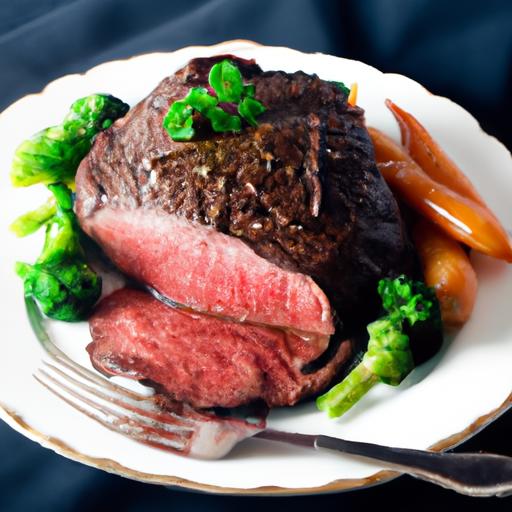

There’s nothing quite like sinking your teeth into a tender, perfectly juicy beef roast-a dish that transforms any meal into a memorable occasion. Yet, achieving that melt-in-your-mouth succulence can sometimes feel like an elusive culinary quest. Fear not! In this article, we’re peeling back the curtain on the secrets adn techniques that unlock a flawless beef roast every time. From selecting the right cut to mastering the ideal seasoning and cooking methods, get ready to elevate your roast game with expert tips and tricks that guarantee a juicy, flavorful centerpiece your family and friends will rave about.
A perfectly juicy beef roast recipe begins with understanding the essence of flavor and tenderness, transforming a simple cut of beef into a sumptuous centerpiece. Selecting the right cut and mastering the art of seasoning, marinating, and slow roasting sets the stage for a mouthwatering experience that’s both approachable for home cooks and impressive for guests.
Prep and Cook Time
- Preparation: 20 minutes
- Marinating: 4 hours (or overnight for best results)
- Cooking: 2.5 to 3 hours (depending on roast size and oven)
- Total Time: Approximately 6 hours including marinating and resting
Yield
Serves 6 to 8 hearty portions
Difficulty Level
Medium – perfect for confident home cooks ready to elevate their roasting skills
Ingredients
- 3 to 4 pounds prime beef chuck roast, trimmed of excess fat
- 4 cloves garlic, finely minced
- 1/4 cup soy sauce (low sodium preferred)
- 2 tablespoons olive oil
- 2 tablespoons Worcestershire sauce
- 1 tablespoon Dijon mustard
- 1 tablespoon brown sugar
- 1 teaspoon smoked paprika
- 1 teaspoon coarse sea salt
- 1/2 teaspoon freshly ground black pepper
- 1 cup beef broth (preferably homemade or low sodium)
- fresh rosemary sprigs and thyme (2 each)
- 1 large onion, sliced into thick rings
Instructions
- choose the ideal cut: Selecting a prime beef chuck roast offers rich marbling, which means enhanced flavor and natural tenderness during slow cooking.
- Prepare the marinade: In a bowl, whisk together minced garlic, soy sauce, olive oil, Worcestershire sauce, Dijon mustard, brown sugar, smoked paprika, sea salt, and black pepper until well combined.
- Marinate the beef: Place the roast in a large zip-lock bag or shallow dish, pour the marinade over, ensuring full coverage. Seal and refrigerate for at least 4 hours, ideally overnight. This step infuses the meat with deep,savory layers while beginning the tenderizing process.
- Preheat your oven: Set to 275°F (135°C) for slow roasting, the key to even cooking and moisture retention.
- Sear the beef: Remove the roast from marinade, pat dry with paper towels. In a heavy oven-safe skillet or Dutch oven,heat a tablespoon of olive oil over medium-high heat. Sear the roast on all sides until a gorgeous golden-brown crust forms, about 3-4 minutes per side. This locks in juices and builds flavor complexity.
- Arrange aromatics: Scatter the onion rings and fresh rosemary and thyme sprigs in the pan.These will gently infuse their fragrances as your roast cooks slowly.
- Slow roast: Pour beef broth over the roast and place the pan in the preheated oven. Cook uncovered for 2.5 to 3 hours, or until the internal temperature reaches 135°F (57°C) for medium-rare, turning the roast once halfway through cooking for even color and texture.
- Rest the roast: Transfer the beef to a cutting board,cover loosely with foil,and let rest for 20 minutes. Resting allows the juices to redistribute, preserving unparalleled juiciness.
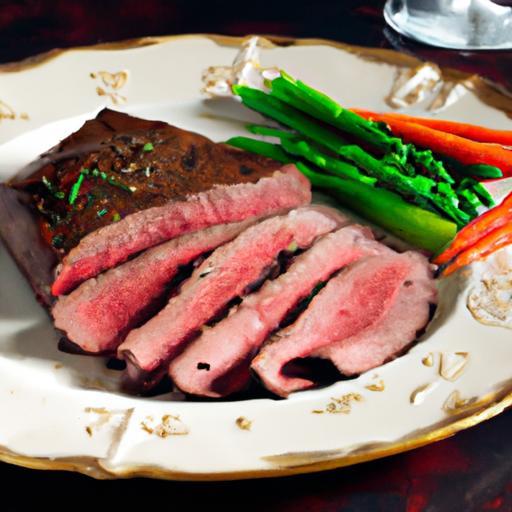
- Carve with care: Using a sharp carving knife, slice the beef thinly against the grain.This ensures maximum tenderness and melt-in-your-mouth bites.
Tips for Success
- For a different flavor profile, swap the chuck roast with the ribeye roast for a more luxurious fat content.
- To enhance umami, add a splash of umami-rich ingredients such as tomato paste or mushroom powder into your marinade.
- If time is tight, marinate at room temperature for 1 hour but expect a slightly less penetrating flavor.
- Use a meat thermometer to avoid overcooking and dryness.
- The slow roast temperature can be adjusted slightly (between 250-300°F),but lower heat yields more tender results.
- Make-ahead tip: Roast the beef a day prior and refrigerate. Bring it to room temperature and rewarm gently covered in a low oven for perfectly juicy leftovers.
Serving Suggestions
This perfectly juicy beef roast shines when served with creamy mashed potatoes and roasted seasonal vegetables like carrots and brussels sprouts. Garnish with freshly chopped parsley and a drizzle of pan jus or red wine reduction for a gourmet finish. A side of horseradish cream adds a zesty kick that complements the rich beef beautifully.

| Nutrient | Per Serving (approx.) |
|---|---|
| Calories | 420 kcal |
| Protein | 38 g |
| Carbohydrates | 5 g |
| Fat | 25 g |
for more hearty beef recipes, check out our Ultimate Grilled Beef Tenderloin Guide. Elevate your meat mastery with expert tips and exciting flavors!
Q&A
Q&A: Perfectly Juicy Beef Roast Recipe – Tips and Tricks Revealed
Q1: What’s the secret to a perfectly juicy beef roast?
A1: The secret lies in a combination of proper seasoning, temperature control, and letting the roast rest before carving. Salt the beef generously ahead of time to enhance flavor and moisture retention. Slow roasting at moderate heat prevents drying out, and resting the meat allows juices to redistribute, giving you that succulent bite.
Q2: Should I use a marinade or a dry rub for my beef roast?
A2: Both have their merits! A marinade can infuse deeper flavors and help tenderize lean cuts, while a dry rub with herbs and spices creates a flavorful crust.For a classic juicy roast, a simple dry rub of salt, pepper, garlic, and rosemary frequently enough does the trick beautifully.
Q3: Does the type of beef cut matter for juiciness?
A3: Absolutely! Cuts like prime rib, ribeye roast, or chuck are naturally more marbled with fat, which keeps the meat moist. Leaner cuts can be juicy to but often require slower cooking or added fats to achieve that tender, melt-in-your-mouth texture.
Q4: How important is resting the roast after cooking?
A4: Resting is critical! After coming out of the oven, covering the roast loosely with foil and letting it sit for 15-20 minutes allows the fibers to relax and juices to redistribute evenly.Skip this step, and the juice will gush out onto the carving board, leaving you with a drier slice.
Q5: Should I sear the beef roast before roasting?
A5: Yes! Searing creates a stunning brown crust through the Maillard reaction, locking in flavors and moisture. Quick searing on all sides over high heat before roasting elevates taste and presentation, giving your beef roast that irresistible caramelized exterior.
Q6: What’s the ideal internal temperature for a juicy beef roast?
A6: For medium-rare juiciness, aim for about 130°F (54°C) before resting. Keep in mind, the temperature will rise 5-10 degrees while resting, so pull the roast from the oven slightly early. Higher temperatures mean more well-done but potentially drier meat.
Q7: Can I use a slow cooker or Instant Pot for juicy roast beef?
A7: Definitely! Slow cookers and instant pots can produce incredibly tender and juicy beef by breaking down connective tissue over time.Just be mindful that the texture differs from oven roasting-think tender and shreddable rather than firm slices.
Q8: Any tips for carving to maintain juiciness?
A8: Carve against the grain in thin, even slices to reduce toughness and lock in juices. Using a sharp, long carving knife helps make clean cuts without tearing the meat, preserving its luscious texture.
Q9: How do I avoid overcooking the beef roast?
A9: Use a reliable meat thermometer! Checking the internal temperature regularly is the best way to prevent overcooking. Also, consider the roasts’ size and oven variability-trust your thermometer over estimated times for perfect results.
Q10: What side dishes complement a juicy beef roast?
A10: Classic companions like garlic mashed potatoes, roasted root vegetables, or a bright green salad balance the rich, savory flavors. Don’t forget a robust red wine or your favourite gravy to tie the meal together in juicy harmony!
Closing Remarks
With these tried-and-true tips in your culinary arsenal, achieving a perfectly juicy beef roast is no longer a kitchen mystery but a appetizing reality. From selecting the right cut to mastering the art of seasoning and cooking time, every step brings you closer to roast perfection. So, whether you’re entertaining guests or savoring a cozy family dinner, let this recipe guide you to a tender, flavorful masterpiece that will leave everyone asking for seconds. Happy roasting!