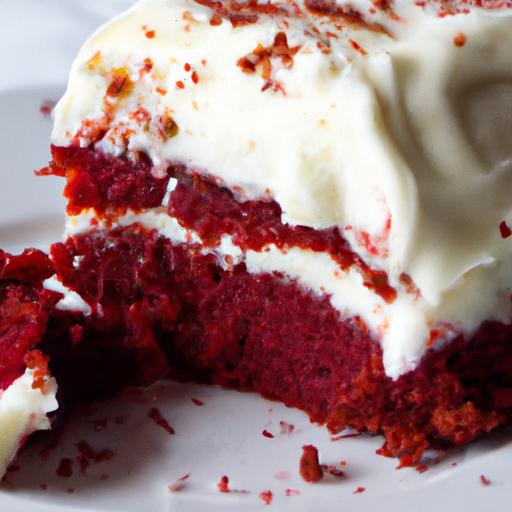

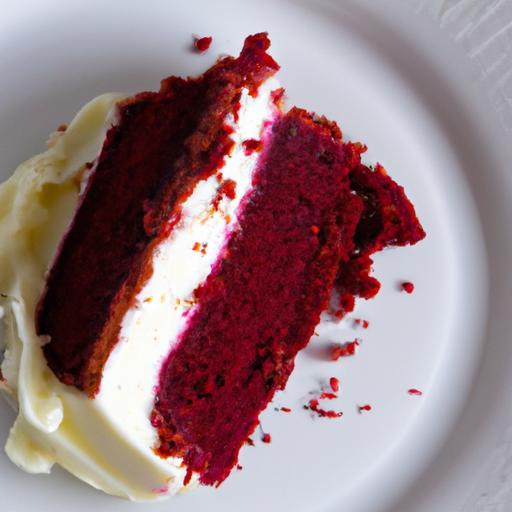
few desserts stir the senses quite like red velvet cake-its striking crimson hue, velvety crumb, and luscious cream cheese frosting come together to create a treat as visually captivating as it is indeed indulgently delicious. But beyond its iconic appearance lies a rich tapestry of history that spans kitchen traditions and cultural evolutions, weaving stories from Southern charm to modern celebrations. In this article, we’ll dive deep into the allure of red velvet cake, exploring its engaging origins, sharing a tried-and-true recipe, and offering expert tips to help you master this timeless classic. Whether you’re a seasoned baker or a curious dessert lover, join us as we unravel the secrets behind red velvet’s enduring appeal.
Red velvet cake is more than just a stunning dessert; it is a delicious slice of rich culinary history that has enchanted taste buds for generations. Originating from the American South, this cake uniquely combines the subtle flavors of cocoa with a moist, velvety crumb and its signature vibrant red hue. As a highly experienced culinary Content Creator and Food Stylist, I’ll guide you through crafting the perfect red velvet cake from scratch, revealing secrets to achieve that iconic texture and color, while offering expert tips for a stunning presentation that will delight both the eyes and the palate.
Prep and Cook Time
- Preparation Time: 30 minutes
- Cooking Time: 25-30 minutes
- Total Time: Approximately 1 hour (including cooling)
yield
Serves 12 generous slices
Difficulty Level
Medium – Perfect for bakers looking to impress with a classic yet sophisticated dessert.
Ingredients
- 2 ½ cups all-purpose flour, sifted
- 1 ½ cups granulated sugar
- 1 teaspoon baking soda
- 1 teaspoon fine salt
- 1 tablespoon unsweetened cocoa powder (preferably natural)
- 1 ½ cups vegetable oil (or neutral oil)
- 1 cup buttermilk, room temperature
- 2 large eggs, at room temperature
- 2 tablespoons red liquid food coloring
- 1 teaspoon pure vanilla extract
- 1 teaspoon distilled white vinegar
Instructions
- Preheat your oven to 350°F (175°C).Grease two 9-inch round cake pans and line the bottoms with parchment paper for an easy release.
- In a large bowl, sift together flour, baking soda, salt, and cocoa powder. This ensures an even crumb and prevents lumps in your cake batter.
- In a separate bowl, whisk together the oil and sugar until fully combined and smooth.
- Add the eggs one at a time, whisking well after each addition to incorporate air and create a light texture.
- Stir in the red food coloring, vanilla extract, and vinegar, mixing until uniform and vibrant.
- Alternate adding the dry ingredients and buttermilk,starting and ending with the dry mixture. Mix gently but thoroughly to maintain a tender crumb without overmixing.
- Divide the batter evenly between the prepared pans, smoothing the tops with a spatula for even baking.
- bake for 25-30 minutes, or until a toothpick inserted in the center comes out clean. Remove from oven and allow cakes to cool in pans for 15 minutes before transferring to a wire rack.
Tips for Success
- Choosing Cocoa: Use natural unsweetened cocoa powder rather of Dutch-processed to react properly with the vinegar and maintain the cake’s subtle chocolate tang and rich red color.
- Vibrant Color Tip: Red food coloring is essential, but don’t skimp-this gives red velvet its hallmark hue. For a natural choice, beet juice powder can add color, though the shade will differ slightly.
- Room Temperature Ingredients: Ensure eggs and buttermilk are at room temperature to prevent the batter from curdling and encourage an even mix.
- Make-Ahead: The cakes can be baked a day ahead and stored wrapped in plastic wrap at room temperature to retain moisture.
- Layer Stability: Chill the cakes slightly before frosting to avoid crumb bleed-through and maintain neat, clean layers.
Serving Suggestions
The classic presentation features smooth, tangy cream cheese frosting. To elevate your red velvet cake visually and flavor-wise, garnish with fresh raspberries or edible rose petals for a sophisticated touch. A light dusting of cocoa powder or finely chopped toasted pecans around the edges adds contrasting textures and eye appeal.

| Nutrient | Per Serving |
|---|---|
| Calories | 340 kcal |
| Protein | 4 g |
| Carbohydrates | 45 g |
| Fat | 15 g |
For a deeper dive into Southern baking traditions and the fascinating journey of iconic desserts, explore this detailed article on Smithsonian Magazine. Meanwhile, indulge in perfecting your red velvet creation with thes inspiring culinary secrets that will no doubt make your cake the star attraction at any gathering.
Q&A
Q&A: The Allure of Red Velvet Cake – History, Recipe, and Tips
Q1: What makes red velvet cake so irresistible and unique compared to other cakes?
A1: Red velvet cake captivates with its striking crimson hue paired with a delicate, tender crumb and a subtle cocoa flavor. It’s not just the taste but the visual drama-the deep red contrasting with creamy white frosting-that makes it a feast for both the eyes and the palate. This cake elegantly straddles the line between rich chocolate and light vanilla, creating a taste experiance that’s both nostalgic and sophisticated.
Q2: Where did red velvet cake originate, and how did it get its signature color?
A2: The origins of red velvet cake trace back to the early 20th century American south, with some roots in Victorian-era “velvet” cakes known for their soft texture. The iconic red color originally came from a natural chemical reaction between cocoa powder and acidic ingredients like buttermilk and vinegar. During World War II, when natural red food dye was scarce, beetroot was sometimes used to enhance the color. Today, many recipes use red food coloring to achieve that vibrant tone.
Q3: What is the classic recipe for red velvet cake?
A3: The classic red velvet cake recipe combines all-purpose flour, sugar, cocoa powder, buttermilk, vinegar, baking soda, eggs, butter, vanilla extract, and red food coloring. The key to its texture lies in the buttermilk and vinegar, which tenderize the crumb and react with the baking soda for lift. After baking, the cake is traditionally frosted with rich cream cheese frosting made from cream cheese, butter, powdered sugar, and vanilla.
Q4: Are there any baking tips to master the perfect red velvet cake?
A4: Absolutely! First, measure your ingredients with precision-especially the vinegar and baking soda-to balance the chemistry for that iconic crumb. Use room-temperature eggs and butter for smooth batter. Don’t overmix to keep the cake tender. Bake at a moderate temperature to ensure even rising without drying out.allow the cake to cool entirely before frosting to prevent melting and sliding layers.
Q5: can red velvet cake be adapted for dietary preferences or occasions?
A5: Yes! Red velvet is wonderfully versatile. You can swap out all-purpose flour for gluten-free blends, use plant-based milk and vegan cream cheese for dairy-free versions, or reduce sugar for a lighter touch. For special occasions, consider turning it into cupcakes, a layered bundt, or even pastries like red velvet whoopie pies.The cake’s dramatic color also lends itself beautifully to themed celebrations from Valentine’s Day to holidays.
Q6: Why does red velvet cake continue to inspire bakers and dessert lovers worldwide?
A6: Red velvet cake is a timeless icon that combines history, visual allure, and a flavor profile that feels both familiar and luxurious.It tells a story with each slice-a slice of Americana, a hint of culinary chemistry, and a dash of theatrical flair. Its enduring charm lies in its perfect marriage of color, texture, and taste, ensuring it remains a beloved centerpiece from classic southern kitchens to contemporary patisseries everywhere.
In Conclusion
From its rich, velvety texture to its striking crimson hue, red velvet cake continues to captivate dessert lovers across generations. Understanding its intriguing history adds depth to every bite, transforming the experience from simple indulgence to a nod to culinary tradition. Whether you’re whisking up the batter for the first time or putting the finishing touches on a layered masterpiece, the recipe and tips shared here are your key to crafting a cake as enchanting as its story. So next time you slice into a piece of red velvet, savor not just the flavor but the timeless charm that makes this cake truly irresistible.