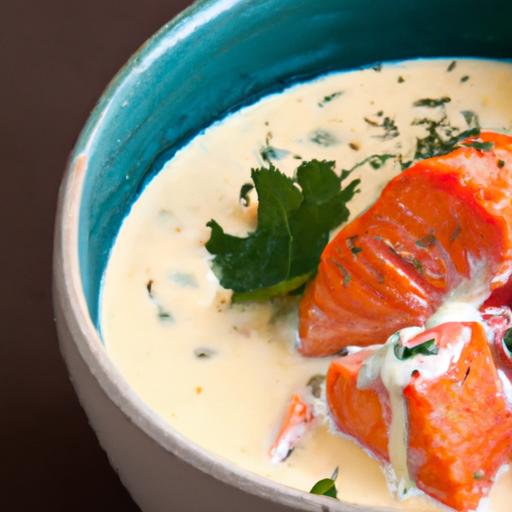

There’s something deeply satisfying about a warm bowl of salmon chowder, its rich, creamy broth infused with the briny whispers of the sea and the hearty embrace of coastal simplicity. As a timeless favorite along shorelines where the ocean meets the land, this comforting dish carries with it stories of rugged fishermen, rustic kitchens, and generations of culinary tradition. In “Salmon Chowder Secrets: A Savory Taste of Coastal Comfort,” we dive beyond the surface to uncover the essential ingredients, cooking techniques, and flavor nuances that transform humble pantry staples into a soul-soothing masterpiece. Whether you’re a seasoned chowder enthusiast or a curious first-timer, prepare to embark on a flavorful journey that celebrates the savory heart of coastal cuisine.
Salmon Chowder Secrets: A Savory Taste of Coastal Comfort
Salmon chowder secrets bring the essence of rugged coastal shores right to your kitchen, capturing the harmony of fresh seafood, creamy richness, and aromatic herbs. This dish has always held a special place in my heart, growing up near the Pacific Northwest, family gatherings centered around hearty bowls of chowder that warmed not just the body but the soul. Mastering the balance of flavors in this chowder is about more than just ingredients; it’s an artful blend of freshness, technique, and subtle seasoning that results in a creamy, comforting experience without heaviness or overpowering richness.
Prep and Cook Time
- Preparation Time: 20 minutes
- Cook Time: 40 minutes
- Total Time: 1 hour
Yield
serves 6 generous bowls
Difficulty Level
Medium - suitable for home cooks wanting to elevate their seafood repertoire
Ingredients
- 1 lb fresh salmon fillet, skin removed and cut into 1-inch chunks
- 4 slices thick-cut bacon, diced
- 1 large yellow onion, finely chopped
- 2 celery stalks, diced
- 3 medium Yukon Gold potatoes, peeled and cubed
- 3 cloves garlic, minced
- 4 cups low-sodium fish stock or clam juice
- 2 cups half-and-half
- 1 cup heavy cream
- 2 tbsp all-purpose flour
- 2 tbsp unsalted butter
- 1 tsp smoked paprika
- 1 tsp dried dill (or 1 tbsp fresh dill, chopped)
- 1 tsp fresh thyme leaves
- salt and freshly ground black pepper, to taste
- 1 tbsp fresh lemon juice
- Chopped fresh chives, for garnish
Instructions
- Prepare the base: In a large Dutch oven or heavy pot, cook the diced bacon over medium heat until crispy, about 6-8 minutes. Use a slotted spoon to remove bacon, leaving the rendered fat in the pot.
- Sauté aromatics: Add butter to the bacon fat, then sauté the onion, celery, and garlic over medium heat until softened and translucent, about 5-7 minutes, stirring often to avoid browning.
- Create the roux: Sprinkle flour over the softened vegetables and stir constantly for 2 minutes to cook off the raw flour taste; this will thicken the chowder gently without clumps.
- Add potatoes and stock: Slowly whisk in the fish stock, scraping up any browned bits from the bottom. Add the potato cubes and bring to a simmer. Cook until potatoes are tender but not falling apart, approximately 15 minutes.
- Incorporate creaminess: Reduce the heat to low and slowly stir in half-and-half and heavy cream. Simmer gently-avoid boiling to prevent curdling. This technique balances creamy texture without overpowering richness.
- Season and herb infusion: Stir in smoked paprika, dill, and thyme.Season with salt and pepper. Simmer for another 5 minutes to let flavors meld beautifully.
- Add salmon and bacon: gently fold in the salmon chunks and reserved bacon. Simmer until the salmon is just cooked through, about 5-7 minutes. The salmon should remain moist and flaky.
- Finish with brightness: Remove from heat and stir in fresh lemon juice to lift and brighten the chowder’s flavor profile.
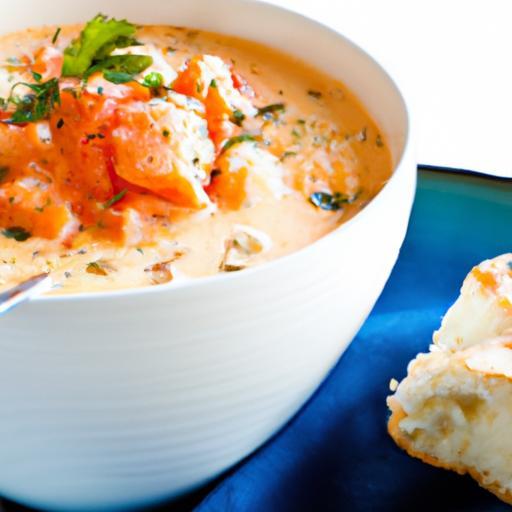
- Serve promptly: Ladle chowder into bowls, garnish with chopped chives, and offer crusty sourdough bread to complete the coastal dining experience.
Chef’s Notes: Tips for Success
- For the freshest coastal taste, always select salmon that is firm with a bright pink hue and minimal odor. Wild-caught varieties offer superior flavor and texture.
- If fish stock isn’t available, substitute with bottled clam juice plus a touch of seaweed broth (kombu) for authentic oceanic depth.
- To avoid a chalky texture, add cream and half-and-half gradually and keep the chowder at a gentle simmer-not a boil.
- For a dairy-free version, swap cream with full-fat coconut milk and use olive oil instead of butter.
- This chowder can be made ahead; reheat gently to preserve the creamy texture and add fresh lemon juice again to revive brightness before serving.
serving Suggestions
Enhance each bowl with a sprinkle of freshly chopped chives or dill, a dollop of crème fraîche, and a squeeze of fresh lemon on the side for diners who want an extra tang. Pair the chowder with toasted sourdough slices or a rustic crusty baguette to soak up every savory drop. For a refined coastal meal, serve alongside a crisp green salad tossed in a light vinaigrette featuring citrus and herbs reminiscent of the chowder’s finish.
| Nutrient | Per Serving |
|---|---|
| Calories | 420 kcal |
| Protein | 28 g |
| Carbohydrates | 22 g |
| Fat | 25 g |

Discover more about mastering seafood dishes with our ultimate guide to cooking fresh fish. For in-depth knowledge on selecting sustainable and fresh salmon, the Monterey Bay Aquarium’s Seafood Watch program is an excellent resource: seafoodwatch.org.
Q&A
Q&A: Salmon Chowder Secrets – A Savory Taste of Coastal Comfort
Q1: What makes salmon chowder such a beloved coastal dish?
A: Salmon chowder is more than just a soup; it’s a warm embrace from the sea. Its silky broth enriched with tender chunks of salmon captures the essence of coastal living – fresh, hearty, and comfortingly simple. The marriage of creamy textures and briny flavors evokes cozy kitchens overlooking misty shorelines, making it a timeless favorite.
Q2: How does authentic salmon chowder differ from other chowders?
A: Unlike clam or corn chowder, salmon chowder balances the rich, fatty flavor of wild-caught salmon with a medley of root vegetables and herbs. Its broth leans toward a subtle creaminess, often with a hint of smoky bacon or savory onion, rather than overly thick or sweet, allowing the salmon’s natural taste to shine through.
Q3: What are the ‘secrets’ to achieving the perfect salmon chowder?
A: The secrets lie in layering flavors and textures. Start by gently sautéing aromatics like shallots and celery to build a fragrant base. Choose fresh, skin-on salmon to add depth – poach it in the broth to keep it moist and flaky. Incorporate potatoes for the body, and finish with cream or crème fraîche for a luscious finish. A splash of white wine or a squeeze of lemon can brighten the whole dish unexpectedly.
Q4: Can you share tips for selecting the best salmon for chowder?
A: Opt for sustainably sourced wild salmon when possible – Sockeye or Coho varieties are prized for their firm texture and bright flavor. Freshness is key; the flesh should be vibrant and firm, never dull or mushy. Avoid overly oily salmon like King if you want a more delicate chowder, though a hint of richness can be appetizing if balanced properly.
Q5: Are there any coastal herbs or spices that elevate salmon chowder?
A: Absolutely! Dill is a classic companion that brings a fresh, slightly tangy note. Bay leaves and thyme add an earthy undertone, while a touch of smoked paprika or cayenne can introduce a subtle warmth. For true coastal authenticity,a sprinkle of seaweed flakes or kelp powder can echo the ocean’s mineral kiss.
Q6: How can salmon chowder be adapted for modern dietary preferences?
A: For lighter versions, substitute heavy cream with coconut milk or almond milk, maintaining creaminess without dairy. You can also incorporate more seasonal vegetables like corn or kale for added nutrients. To make it gluten-free, simply use gluten-free broth and thickeners like rice flour or cornstarch.
Q7: What side dishes best complement a bowl of salmon chowder?
A: Nothing beats crusty sourdough or a warm, buttery biscuit for dipping into the chowder’s comforting broth. A crisp, refreshing green salad with tangy vinaigrette cuts through the richness beautifully, while a glass of chilled Riesling or crisp Pinot Gris rounds out the experience with coastal elegance.
Q8: Is salmon chowder best served immediately or can it be stored?
A: Salmon chowder is best enjoyed fresh to savor its vibrant flavors and tender salmon. Though it can be refrigerated for up to two days. When reheating, do so gently on low heat to prevent the seafood from overcooking and the cream from curdling. If frozen, expect some texture changes, so it’s perfect for a make-ahead meal but shines brightest fresh.
Unveiling these salmon chowder secrets brings you closer to the heart of coastal comfort – where every spoonful tells a story of ocean breezes, homely kitchens, and shared moments around the table.
Insights and Conclusions
As the final spoonful of salmon chowder lingers on your palate, you’ll realise that this humble coastal classic is more than just a bowl of comfort-it’s a celebration of tradition, flavor, and the sea’s generous bounty. from the creamy broth to the tender flakes of salmon and secret touches gathered from generations of coastal cooks, every ingredient tells a story. Now armed with these insider tips and savory secrets, you’re ready to bring a taste of the coast into your kitchen, crafting chowders that warm the soul and delight the senses. So dive in, savor each bite, and let the rich, comforting flavors of salmon chowder transport you to those misty shores where every meal is a treasured experience.