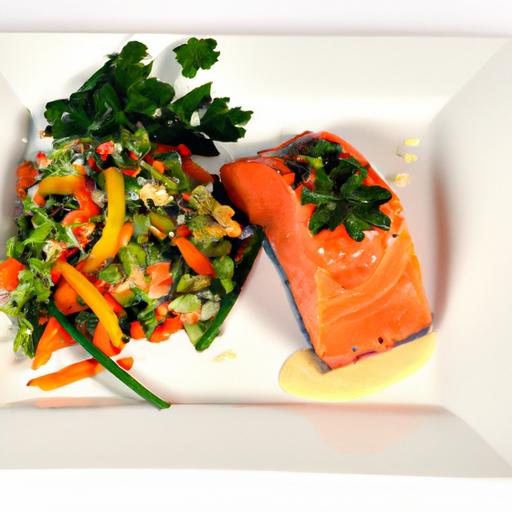

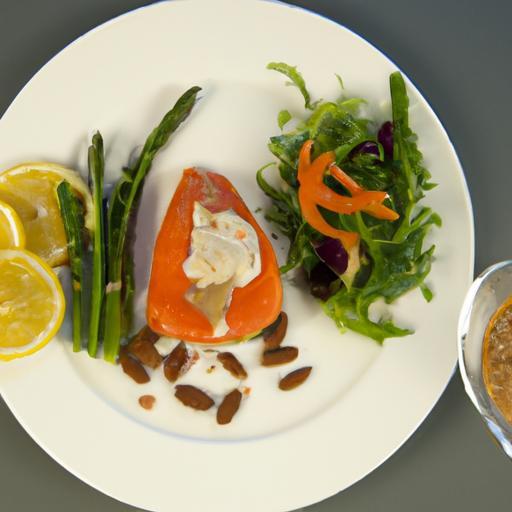
There’s something undeniably enchanting about the taste of salmon-its rich, buttery texture and vibrant hue evoke the ocean’s finest gifts on a plate. Whether you’re a seasoned home cook or a kitchen novice, mastering salmon recipes can unlock a world of appetizing possibilities, brimming with health benefits and culinary flair. In this article, we dive deep into the art of preparing salmon, unveiling easy-to-follow recipes that transform this versatile fish into mouthwatering meals. Get ready to savor the seas with flavors that dance between simplicity and sophistication, turning every bite into a celebration of the ocean’s bounty.
Unlocking Peak Flavor: Fresh Salmon, Marinades, Techniques, and Perfect Pairings
Savor the Seas brings you face to face with the freshest salmon, effortlessly transformed by simple marinades and creative cooking that reveal its rich, buttery textures. This guide will not only help you select top-quality fish but also inspire your culinary creativity, culminating in a meal perfectly balanced with thoughtfully paired sides.
Prep and cook Time
- Planning: 15 minutes
- Marinating: 30 minutes (optional but recommended)
- Cooking: 12-15 minutes
- Total Time: Approximately 1 hour
Yield
Serves 4 generous portions
Difficulty Level
easy to medium – approachable for home cooks but exciting enough to impress
Ingredients
- 4 skin-on salmon fillets (6 oz each), fresh and firm to the touch
- 3 tablespoons extra virgin olive oil
- 2 tablespoons fresh lemon juice
- 2 teaspoons soy sauce (or tamari for gluten-free)
- 2 teaspoons honey or maple syrup
- 2 cloves garlic, finely minced
- 1 teaspoon freshly grated ginger
- Salt and freshly ground black pepper to taste
- Fresh dill or parsley for garnish
Instructions
- Sourcing the Fresh Salmon: Choose fillets with vibrant pink-orange flesh and tight, moist skin that springs back when pressed. The freshest salmon will have a mild, ocean-scented aroma, indicative of peak flavor.
- Prepare the Marinade: In a medium bowl, combine olive oil, lemon juice, soy sauce, honey, garlic, and ginger. Whisk together until smooth and fragrant.
- Marinate the Salmon: Place the fillets in a shallow dish, skin side down, and pour the marinade evenly over them. Cover and refrigerate for 30 minutes to infuse subtle, layered flavors without overpowering the natural richness.
- Preheat the Pan: Use a heavy-bottomed skillet or cast iron over medium-high heat. Pat the salmon dry with paper towels (to ensure a perfect sear) and season with salt and pepper promptly before cooking.
- Sear the Salmon: Place fillets skin-side down, pressing gently with a spatula. Sauté until the skin is crisp and golden, about 5 minutes. Flip carefully and cook for another 4-5 minutes until the fish flakes easily with a fork but remains moist inside. Avoid overcooking to preserve luscious texture.
- Rest and Garnish: Remove from heat and let the salmon rest for 2 minutes. This locks in the juices. Sprinkle with fresh dill or parsley to brighten the plate visually and aromatically.
Chef’s Notes: Tips for Success
- Salmon Variety: Wild-caught Alaskan salmon offers a more complex flavor than farmed-if available,opt for sockeye or king salmon for a bolder taste experience.
- Marinade Adjustments: Add a pinch of smoked paprika or crushed red pepper flakes for warmth and depth without complicating simplicity.
- Cooking Method Variations: Try grilling the marinated salmon for a smoky undertone or baking for effortless hands-off cooking.
- Make Ahead: Marinate salmon up to 2 hours in advance for flavor penetration, but avoid longer to maintain firm flesh texture.
Serving Suggestions
Pair your beautifully cooked salmon with vibrant, complementary sides like a lemon-herb quinoa salad, roasted asparagus spears, or creamy garlic mashed potatoes. For a colorful presentation, serve atop a bed of sautéed spinach with a drizzle of balsamic glaze. Finish the plate with a wedge of lemon and a sprinkle of microgreens for that radiant, fresh appeal.

| Nutrient | Per Serving |
|---|---|
| Calories | 350 kcal |
| Protein | 34 g |
| Carbohydrates | 5 g |
| Fat | 20 g |
For further inspiration on utilizing fresh seafood, check out our collection of easy seafood dinner recipes, and explore lasting sourcing tips at Seafood Watch.
Q&A
Q&A: Savor the Seas – Delicious and Easy Salmon Recipes Unveiled
Q1: Why is salmon such a popular choice for home cooks?
A1: Salmon’s popularity stems from its rich, buttery flavor and incredible versatility. It cooks quickly, pairs beautifully with a variety of ingredients, and is packed with heart-healthy omega-3 fatty acids, making it both delicious and nutritious. Whether grilled, baked, or pan-seared, salmon transforms simple meals into culinary delights.
Q2: What makes salmon easy to cook compared to other seafood?
A2: Salmon’s firm flesh holds together well, reducing the risk of overcooking or falling apart-a common challenge with delicate fish. Plus, it’s forgiving when it comes to seasoning and cooking methods; from a simple lemon squeeze and sea salt to bold spice blends, salmon shines without needing complex prep.
Q3: Can you share a fast and flavorful salmon recipe for busy weeknights?
A3: Absolutely! Try this 15-minute Citrus-Herb Pan-Seared Salmon: pat salmon fillets dry, season with salt, pepper, and a dash of smoked paprika. Sear skin-side down in a hot pan with olive oil until crisp, flip, and cook briefly. Finish with a squeeze of fresh lemon, chopped dill, and a sprinkle of zest for a refreshing, effortless dish.
Q4: How can salmon be incorporated into meals beyond the classic fillet?
A4: Salmon is wonderfully adaptable. Flake cooked salmon into salads for a protein boost, blend it into patties or burgers, roll it in sushi, or even make a creamy smoked salmon pasta. Its versatility invites creativity, perfect for those who want to elevate everyday meals.
Q5: What tips can help prevent salmon from drying out during cooking?
A5: To maintain salmon’s moistness, avoid overcooking-aim for an internal temperature of 125°F (52°C) for medium-rare, or 145°F (63°C) if you prefer it well done. Use skin-on fillets to lock in moisture, cook skin-side down first, and consider marinating or basting to add flavor and protection.
Q6: Are there any simple sides or sauces that pair particularly well with salmon?
A6: Yes! Bright, fresh sides like asparagus, green beans, or a crisp cucumber salad complement salmon’s richness. For sauces, a tangy dill yogurt sauce, honey-mustard glaze, or classic hollandaise can elevate your dish without complicating prep.
Q7: How do cultural variations inspire different salmon recipes?
A7: From Nordic gravlax cured with dill and sugar, to Japanese teriyaki-glazed salmon, to spicy Cajun blackened fillets, global traditions infuse salmon with diverse flavors and techniques. Exploring these can add exciting twists to your cooking repertoire and let you savor the seas in new ways.
Q8: What’s the best way to select fresh salmon at the market?
A8: Look for firm, moist flesh with a vibrant color-whether bright pink, orange, or red depending on the variety. Avoid fish with a strong fishy odor or dry edges. If buying skin-on fillets, the skin should be shiny and free of slime. Freshness ensures every bite tastes ocean-fresh and succulent.
Whether you’re a seasoned seafood lover or a kitchen beginner, these tips and recipes open the door to “Savor the Seas” with effortless, mouthwatering salmon dishes that delight every palate. Dive in and taste the magic!
In Conclusion
As you set sail on your culinary journey with these delicious and easy salmon recipes, remember that the sea’s bounty is as versatile as it is nourishing. Whether you’re grilling, baking, or poaching, salmon offers endless possibilities to delight your palate and elevate your meals with vibrant flavors and wholesome goodness. So, embrace the simplicity, savor each bite, and let these ocean-inspired dishes bring a touch of coastal charm to your kitchen-as great food, like the sea, is meant to be explored and enjoyed again and again.