
Step into a world where every bite tells a story, where fragrant spices awaken your senses, and vibrant ingredients come alive on your plate. “Savor the Flavors: Exploring Authentic Asian Recipes Today” invites you on a culinary journey across the diverse and rich landscapes of Asia, from the bustling street markets of Thailand to the tranquil kitchens of Japan. This article delves deep into the heart of authentic Asian cooking, uncovering time-honored recipes that have delighted generations. Whether you are a seasoned foodie or a curious home cook,prepare to explore the secrets behind bold flavors,traditional techniques,and cultural rituals that make Asian cuisine a global treasure. Get ready to transform your meals and your palate-one delicious, authentic dish at a time.
Savor the Flavors in this exploration of traditional Asian ingredients and time-honored cooking techniques, where authenticity and passion merge to create dishes that tell stories of heritage and culture. This recipe celebrates the rich tapestry of Asian culinary traditions, bringing vibrant, fresh, and unmistakably genuine tastes right to your kitchen.
Prep and Cook time
preparation: 20 minutes
Cooking: 25 minutes
total Time: 45 minutes
Yield
Serves 4 generous portions
Difficulty Level
Medium – Ideal for home cooks ready to deepen their understanding of authentic Asian flavors and techniques.
Ingredients
- 2 cups jasmine rice, rinsed until water runs clear
- 1 tablespoon toasted sesame oil
- 250g boneless chicken thighs, thinly sliced
- 3 cloves garlic, minced
- 1 teaspoon fresh ginger, finely grated
- 2 tablespoons soy sauce (use tamari for gluten-free option)
- 1 tablespoon oyster sauce
- 1 cup shiitake mushrooms, sliced
- 1 small carrot, julienned
- 1 cup baby bok choy, chopped
- 2 scallions, thinly sliced
- 1 fresh red chili, sliced (optional for heat)
- Fresh cilantro, for garnish
- 1 tablespoon vegetable oil or neutral oil
- 1 teaspoon toasted white sesame seeds, for garnish
- 1/2 cup chicken broth or water
savor the flavors: Step-by-Step Instructions
- Prepare the rice: In a medium saucepan, bring 2½ cups of water to a boil. Add jasmine rice, reduce heat to low, cover, and simmer for 15 minutes until absorbed. Remove from heat and let rest, covered for 10 minutes.Fluff gently with a fork.
- Marinate the chicken: In a bowl, combine sliced chicken thighs with soy sauce, oyster sauce, minced garlic, and grated ginger. Let it marinate for 10 minutes. This infusion saturates the meat with umami-rich, authentic flavor.
- Sauté aromatics: heat vegetable oil in a wok or large skillet over medium-high heat. Add marinated chicken and stir-fry until just golden, about 5 minutes. Remove chicken and set aside to prevent overcooking.
- Stir-fry vegetables: In the same wok,add sesame oil and toss in shiitake mushrooms,carrots,and baby bok choy. Sauté until tender-crisp, about 4 minutes, stirring frequently.
- Reintroduce chicken and add broth: return chicken to the wok and pour in chicken broth. Toss everything together and cook for an additional 3-4 minutes, allowing the flavors to meld and the sauce to thicken slightly.
- Finish and garnish: Remove from heat, stir in scallions and sliced chili if using. Sprinkle with toasted sesame seeds and fresh cilantro just before serving.
Chef’s Notes
- For a vegetarian twist, substitute chicken with firm tofu or tempeh, and swap chicken broth for vegetable stock.
- Use freshly ground white pepper to elevate the subtle spice notes characteristic of many Asian dishes.
- To maximize freshness, visit local Asian markets early in the day. Select produce with vibrant color and firm texture, especially for bok choy and mushrooms.
- This dish can be prepared ahead by cooking rice and marinating chicken the night before, then swiftly stir-frying before serving.
- Experiment with other signature Asian ingredients like fish sauce or hoisin sauce for different regional variations without losing authenticity.
Serving Suggestions
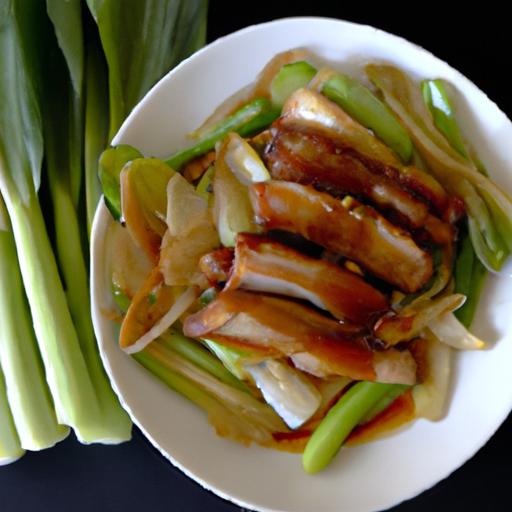
Serve your beautifully fragrant chicken stir-fry over a steaming bed of jasmine rice on a rustic ceramic plate. Garnish with extra cilantro sprigs and a wedge of lime for a refreshing zing. Pair with a side of pickled Asian cucumbers or a delicate miso soup for a balanced, complete meal. for an eye-catching touch, a drizzle of chili oil adds both color and depth.

| Nutrient | Per Serving |
|---|---|
| Calories | 420 kcal |
| Protein | 28 g |
| Carbohydrates | 45 g |
| Fat | 10 g |
Discover more inspired recipes and culinary tips in our article on Exploring Asian Heritage Flavors. For a deeper dive into the cultural origins of these ingredients, visit Britannica’s Asian Cuisine overview.
Q&A
Q&A: Savor the Flavors - Exploring Authentic Asian Recipes Today
Q1: what makes Asian cuisine uniquely flavorful and distinct from other world cuisines?
A1: Asian cuisine is a vibrant tapestry woven from diverse cultures, climates, and traditions across the continent. It’s uniqueness lies in the harmonious balance of flavors-sweet,sour,salty,bitter,and umami-all carefully layered through the use of fresh herbs,aromatic spices,fermented sauces,and traditional cooking techniques. From the fiery chilies of Szechuan to the subtle sweetness of japanese miso,each dish tells a story that reflects its origin.
Q2: How can home cooks approach authentic Asian recipes without feeling overwhelmed by unfamiliar ingredients?
A2: The key is to start simple and embrace curiosity! Begin with foundational ingredients like soy sauce, ginger, garlic, sesame oil, and rice vinegar, which are staples in many Asian pantries. Many recipes can be adapted using ingredients available at your local market or asian grocery store. Don’t hesitate to experiment gradually-authentic cooking is as much about revelation as it is indeed technique.
Q3: What are some essential cooking techniques to master for authentic Asian dishes?
A3: Stir-frying is a quintessential method-speedy, high-heat cooking that seals in freshness and flavor. Steaming preserves natural textures and nutrients, especially in dumplings and buns. Simmering broths for hours unlocks deep, complex flavors, essential in dishes like pho or ramen. Learning how to balance sauces and seasoning is equally vital, bringing dishes to life with nuanced taste profiles.
Q4: Can you recommend a few iconic Asian recipes that offer both authenticity and accessibility for beginners?
A4: Absolutely! Consider thai Green Curry with fragrant herbs and creamy coconut milk-rich but straightforward. Japanese Teriyaki Chicken combines sweet and savory flavors with minimal ingredients. Vietnamese Spring Rolls are fresh,colorful,and fun to assemble. Each of these dishes provides a delicious gateway into Asian culinary traditions while being beginner-pleasant.
Q5: how do authentic Asian recipes reflect cultural values and lifestyle?
A5: Many Asian dishes emphasize balance-nutrition, taste, and harmony-which echo broader cultural philosophies like yin and yang or the importance of communal dining. meals are frequently enough designed to be shared, celebrating togetherness and respect. Ingredients are chosen not just for flavor but for their health benefits, fostering a holistic approach to eating.
Q6: Where can readers find trustworthy resources and inspiration to continue their Asian cooking journey?
A6: Dive into cookbooks by renowned chefs specializing in regional cuisines, follow food bloggers and YouTube channels dedicated to authentic Asian cooking, and visit local Asian markets to connect directly with ingredients and experts. Participating in cooking classes or community events can also immerse you in the culture behind the cuisine, making every recipe more meaningful.Exploring authentic Asian recipes is more than cooking-it’s a flavorful adventure into history, culture, and creativity. So tie on your apron,gather your ingredients,and embark on a delicious journey today!
Future Outlook
As we conclude this flavorful journey through authentic Asian recipes,remember that each dish is more than just food-it’s a story steeped in tradition,culture,and the passion of generations. By exploring these vibrant flavors and time-honored techniques, you not only enrich your palate but also deepen your thankfulness for the diverse culinary heritage of Asia. So, don your apron, gather fresh ingredients, and let these recipes inspire you to create memorable meals that bring the spirit of Asia right to your table. Happy cooking and happy savoring!