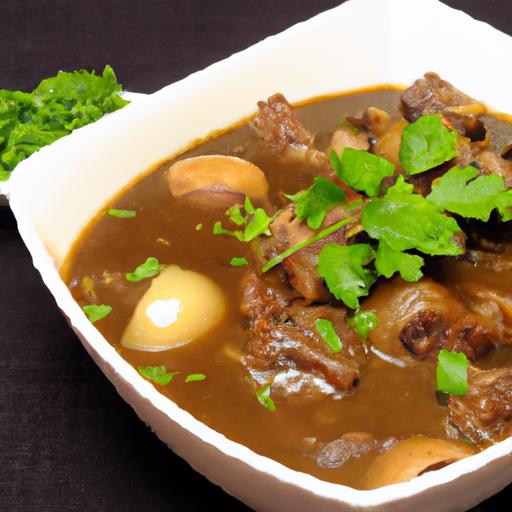

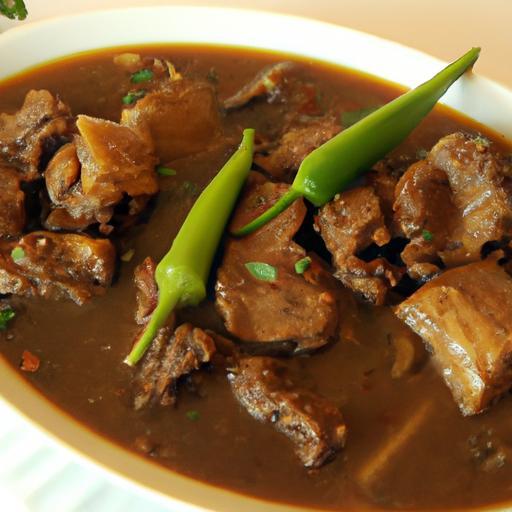
Few dishes capture the heart and soul of Filipino comfort food like Beef Pares. This savory, aromatic stew, often enjoyed alongside garlic fried rice and a comforting bowl of soup, tells a story of rich cultural heritage and time-honored culinary tradition. In “Savoring Beef Pares: A Flavorful Filipino Recipe Guide,” we embark on a mouthwatering journey through the origins, essential ingredients, and cooking techniques that transform tender beef chunks into a luscious, soy-sweetened masterpiece. Whether you’re a kitchen novice or a seasoned foodie, prepare to unlock the secrets behind this beloved dish and bring an appetizing slice of the Philippines right to your table.
Savoring Beef Pares offers an immersive journey into one of the Philippines’ cherished comfort foods-where tender beef meets a rich, aromatic broth perfectly balanced by sweet soy notes. This beloved stew evolved from humble street fare to a must-have staple in Filipino dining tables, embodying a cultural legacy of warmth, togetherness, and culinary ingenuity. Every bite tells a story, steeped in Manila’s vibrant food scene and the passion of home cooks who elevate simple ingredients into soul-soothing dishes.
Prep and Cook Time
- Planning: 20 minutes
- Cooking: 2 hours 15 minutes
- Total time: 2 hours 35 minutes
Yield
- Serves 6 hearty portions
Difficulty Level
- Medium - Ideal for intermediate home cooks with room to explore layering flavors
Ingredients
- 2 lbs beef brisket, cut into 2-inch cubes
- 1 cup soy sauce (preferably dark, Filipino style)
- 3 tbsp brown sugar or muscovado sugar
- 8 cups beef broth or water with beef bouillon
- 6 cloves garlic, minced
- 1 large onion, finely chopped
- 2 star anise pods
- 1 tbsp black peppercorns
- 3 tbsp cooking oil
- 1 knob of ginger (about 1 inch), sliced
- 1 tsp salt, adjust to taste
- 2 tbsp oyster sauce (optional, for added umami)
- 1 bunch green onions, chopped (for garnish)
- Steamed white rice, for serving
Instructions
- Brown the Beef: Heat oil in a large pot over medium-high heat. Add beef cubes and brown on all sides until the surface is caramelized, about 8 minutes. Browning develops deep flavors essential to beef pares’ signature taste.
- Sauté Aromatics: Push beef to the side. Add garlic, onion, and ginger to the pot. Sauté until fragrant and onions turn translucent, about 5 minutes, stirring occasionally to avoid burning.
- Add Seasonings: Stir in soy sauce, brown sugar, oyster sauce (if using), star anise, and black peppercorns. Allow the sugar to dissolve and the mixture to bubble gently for 2 minutes.
- Simmer the Broth: Pour in the beef broth, ensuring the beef is just submerged. Bring to a boil, then reduce the heat to low, cover, and simmer for 2 hours or until the beef is tender and easily shredded with a fork.
- Adjust Flavors: Check seasoning. Add salt or additional soy sauce if needed, balancing sweetness and savory depth. Simmer uncovered for 10-15 minutes to concentrate the broth if desired.
- Finish & Serve: Ladle the beef pares into bowls, sprinkle generously with chopped green onions, and serve immediately with steamed white rice to soak up the flavorful sauce.
Chef’s Notes and Tips for Success
- For a more authentic texture, choose fatty cuts like brisket or chuck to ensure melting tenderness after slow cooking.
- Don’t rush the simmering process; slow cooking breaks down collagen, creating a luscious, silky broth.
- Balance is key-if the broth is too salty, a splash of water or a small pinch of sugar can mellow the intensity.
- Make-ahead tip: Beef pares flavor deepens overnight, so prepare a day ahead and reheat gently for enhanced taste.
- Swap brown sugar for muscovado or coconut sugar for deeper caramel flavors unique to Philippine palate nuances.
- Experiment with adding star anise and black peppercorns to infuse a warm, aromatic complexity.
Serving Suggestions
Traditionally enjoyed piping hot alongside garlic fried rice or plain steamed jasmine rice, beef pares pairs beautifully with a simple dipping sauce made from a mix of vinegar, crushed chili, and soy sauce. Garnish liberally with fresh green onions and serve with a side of crunchy pickled papaya (atchara) to add a refreshing contrast to the savory, sweet broth. For an indulgent twist, serve with a soft-boiled egg or crispy fried garlic on top to add texture and richness.

Savoring Beef Pares Nutritional Overview
| Nutrient | Per Serving |
|---|---|
| Calories | 380 kcal |
| Protein | 35 g |
| Carbohydrates | 12 g |
| Fat | 18 g |
For more about traditional Filipino dishes and their cultural roots, explore our Filipino Comfort Foods Guide. To deepen your understanding of the soy sauce varieties used in Asian cuisines, visit this comprehensive soy sauce resource.
Q&A
Q&A: Savoring Beef Pares – A Flavorful Filipino Recipe Guide
Q1: What exactly is Beef Pares, and why is it so beloved in Filipino cuisine?
A: Beef Pares is a classic Filipino dish that combines succulent, tender beef cubes stewed in a sweet-savory sauce, often paired with garlic fried rice and a clear beef broth on the side. The name “pares” means “pairs” in Tagalog, referring to how the meat and broth complement each other perfectly, creating a harmonious dining experience. Its rich umami flavor and comforting warmth have made it a staple in Filipino households and street food culture alike.
Q2: What makes the sauce in Beef Pares unique compared to other beef stews?
A: The magic of Beef Pares lies in its sauce delightful blend of soy sauce, star anise, garlic, sugar, and sometimes a hint of beef broth or oxtail stock. This creates a sweet and salty umami depth that’s both bold and balanced. Unlike many stews that lean heavily on tomato or heavy spices, Beef Pares offers a subtly fragrant and silky sauce that clings lovingly to every bite of beef.
Q3: What cuts of beef are best to use for Beef Pares?
A: For that melt-in-your-mouth texture, tougher cuts like brisket, chuck, or shank are ideal. They stand up well to slow cooking, breaking down over time into tender morsels soaked in the sauce’s rich flavors. Using these cuts also infuses the broth with a hearty, beefy essence, enhancing the overall savoriness of the dish.
Q4: Can Beef Pares be made spicy, or is it traditionally mild?
A: Traditionally, Beef Pares is mild, allowing the sweet and salty notes to shine. However, adding a little kick with chili flakes or fresh jalapeños is a popular variation, especially among those who enjoy a spicy twist. You can easily tailor the heat level to your liking without sacrificing the dish’s authentic flavor profile.
Q5: How do you serve Beef Pares authentically?
A: Authentic Beef Pares is typically served with garlic fried rice-giving you that irresistible crunch and aroma-and a bowl of clear beef broth on the side. The broth acts as a palate cleanser, balancing the richness of the meat and sauce. Some also like to add pickled vegetables or a fried egg on top to complete the experience.
Q6: Are there any tips for cooking Beef Pares to enhance its flavor?
A: Absolutely! Slow cooking is key-use a low simmer to break down the collagen in the beef, resulting in tender, juicy bites. Toasting spices like star anise before adding builds aroma, while marinating the beef beforehand helps infuse flavors deeply. Lastly, simmer the sauce until it thickens slightly for that perfect glaze.
Q7: Is Beef pares suitable for weeknight meals, or is it more of a special occasion dish?
A: While Beef Pares feels indulgent enough for celebrations, it’s wonderfully versatile. With a bit of prep, it comes together well for hearty weeknight dinners, especially if you use a pressure cooker to speed up tenderizing the meat. Its comforting and filling nature makes it great anytime you crave something soulful and satisfying.
Q8: Can Beef Pares be frozen or reheated without losing flavor?
A: Yes! Beef Pares reheats beautifully since its flavors deepen over time. Store leftovers in an airtight container and refrigerate for up to three days or freeze for longer storage. When reheating, warm gently to keep the meat tender and stir occasionally to maintain that luscious sauce consistency.
With its irresistible blend of sweet, salty, and savory, Beef pares is more than just a meal, it’s a delicious Filipino tradition waiting to be savored. Whether you’re a curious food explorer or a dedicated home cook, this flavorful dish promises comfort and delight in every bite.
The Way Forward
As you wrap up your journey through the rich and savory world of Beef Pares, you’re now equipped with more than just a recipe-you have a flavorful story in your hands. This beloved Filipino dish, with its tender beef, aromatic broth, and comforting sweetness, is more than a meal; it’s a party of culture, tradition, and conviviality. Whether you choose to enjoy it with garlic fried rice, a warm bowl of sinangag, or simply on its own, savoring Beef Pares is an invitation to slow down and appreciate the layered flavors that bring people together. So, gather your ingredients, embrace the art of slow cooking, and let every bite transport you to the heart of Filipino cuisine-where every spoonful tells a tale of home.