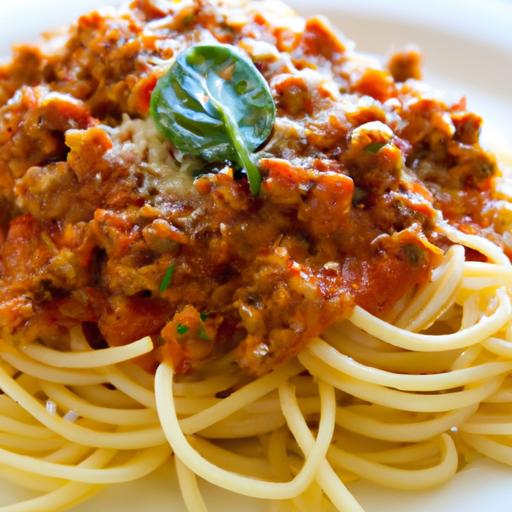

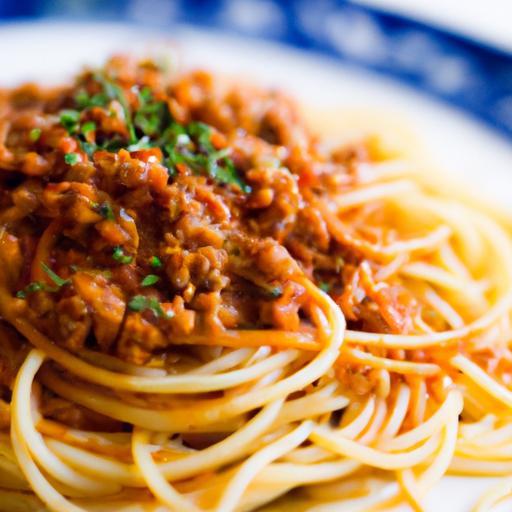
In the rich tapestry of Italian cuisine, few dishes have achieved the beloved status of Spaghetti Bolognese.This hearty, savory dish, with its slow-simmered ragù and perfectly al dente pasta, is more than just a meal-itS a story steeped in tradition, regional pride, and culinary artistry. Journey with us as we unravel the origins, evolution, and timeless appeal of Spaghetti Bolognese, exploring how a humble combination of simple ingredients transformed into a symbol of Italy’s gastronomic heritage. Weather you’re a seasoned food lover or a curious newcomer, the savory tale behind this classic promises to deepen your recognition for every delicious bite.
Spaghetti Bolognese holds a cherished place in culinary hearts worldwide, yet its origins reveal a rich tapestry woven through centuries of italian tradition. This beloved dish, rooted in the northern city of Bologna, goes far beyond a simple pasta plate; it embodies Italy’s dedication to slow-cooked flavors, rustic ingredients, and the art of balancing rich, hearty sauces with tender pasta. I vividly remember the first time I tasted an authentic Bolognese in a sunlit trattoria nestled in Bologna’s old city-each bite was a revelation of depth and comfort, inspiring my passion to recreate this timeless classic in my own kitchen.
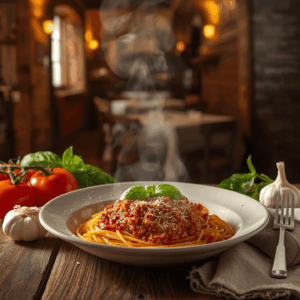
Prep and Cook Time
- Prep Time: 20 minutes
- Cook time: 2 hours 30 minutes (slow simmer for maximum flavor)
- Total Time: 2 hours 50 minutes
Yield
Serves 6 hearty portions
Difficulty Level
Medium – Requires patience and attention, perfect for cooks eager to learn authentic techniques
Ingredients
- 2 tbsp extra virgin olive oil
- 4 oz pancetta, finely diced
- 1 large onion, finely chopped
- 2 celery stalks, finely chopped
- 2 medium carrots, finely chopped
- 500g (1.1 lbs) ground beef (preferably 80% lean)
- 250g (8.8 oz) ground pork
- 1 cup whole milk
- 1 cup dry white wine
- 800g (28 oz) canned San Marzano tomatoes, crushed
- 2 tbsp tomato paste
- 2 garlic cloves, minced
- 1 tsp dried oregano
- Salt and freshly ground black pepper, to taste
- 400g (14 oz) spaghetti
- Freshly grated Parmigiano-Reggiano cheese, for serving
- Fresh basil or flat-leaf parsley, chopped for garnish
Instructions
- Heat olive oil in a large heavy-bottomed pot over medium heat. Add pancetta and sauté until crisp and golden, about 5 minutes, stirring occasionally to prevent sticking.
- Add finely chopped onion, celery, and carrots. Cook gently until soft and translucent, around 7-8 minutes, stirring to develop sweetness without browning.
- Increase heat slightly and add the ground beef and pork. Break up the meat with a wooden spoon and cook until browned,about 10 minutes. Avoid overcrowding the pan to get a nice sear rather than steaming the meat.
- Pour in the milk and simmer gently until it is mostly absorbed; this softens the meat and mellows acidity.
- Stir in the white wine and cook until nearly evaporated, about 5-7 minutes.
- Add the crushed tomatoes, tomato paste, minced garlic, and oregano. Season with salt and pepper. Reduce heat to low and simmer very gently, uncovered, for 2 to 2.5 hours. Stir occasionally to prevent sticking, adding a splash of water or broth if sauce becomes too thick.
- Halfway through cooking, taste and adjust seasoning. The sauce should be thick, rich, and deeply flavored, with a velvety texture.
- Cook spaghetti in plenty of salted boiling water until al dente as per package instructions, usually 8-10 minutes. drain, reserving a little pasta water.
- Toss spaghetti with the Bolognese sauce, adding reserved pasta water if necessary to bind the sauce beautifully to the strands.
- Serve immediately, generously topped with freshly grated Parmigiano-Reggiano and a sprinkle of fresh herbs.
Tips for Success & Chef’s Notes
- Patience is key: The long, slow simmer unlocks complexity and tenderness. Resist the urge to rush!
- Milk addition: Adding milk early softens the harsh acidity of tomatoes and enriches the sauce’s texture subtly.
- Meat choice: A blend of pork and beef is traditional, but you can use veal or even lamb for captivating variations.
- Wine substitution: If you prefer non-alcoholic, try white grape juice mixed with a teaspoon of cider vinegar for acidity.
- Make ahead: This sauce tastes even better the next day; refrigerate than gently reheat. Freeze in portions for busy nights.
- Balance your seasoning: Correct salt balance encourages the sauce’s layers to shine without becoming bland or overpowering.
Serving Suggestions
The spaghetti Bolognese shines when plated simply but elegantly. serve on large shallow bowls or rustic plates to collect every luscious drop of sauce. Garnish with a scattering of freshly grated Parmigiano-Reggiano and a handful of chopped fresh basil or flat-leaf parsley. Pair with a crisp green salad dressed lightly with lemon and olive oil to cut through the richness. A glass of full-bodied red wine like Sangiovese completes the authentic experience. For an elevated presentation, accompany with warm garlic focaccia or crusty Italian bread to mop up the savory sauce.

| Nutrient | Per Serving |
|---|---|
| Calories | 480 kcal |
| Protein | 35g |
| Carbohydrates | 45g |
| Fat | 18g |
For further inspiration on Italian classics and pasta accompaniments, discover our Italian Pasta Guide. to deepen your knowledge about Bolognese origin and traditional recipes, visit the Accademia Italiana della Cucina.
Q&A
Q&A: Spaghetti Bolognese – The Savory Tale Behind Italy’s Classic
Q1: What exactly is Spaghetti Bolognese, and how did it come into being?
A1: Spaghetti Bolognese is a rich Italian dish featuring a meat-based ragù, simmered to perfection and served atop a bed of spaghetti. Despite its global fame, this hearty classic actually traces its roots to Bologna, a city in northern Italy. The recipe evolved from traditional “Ragù alla Bolognese,” a slow-cooked sauce originally paired with tagliatelle pasta, originating in the early 18th century. Over time, Italian immigrants and international palates adapted the recipe, paving the way for the worldwide love affair with Spaghetti Bolognese.
Q2: How does authentic Bolognese ragù differ from the versions popular outside Italy?
A2: Authentic Bolognese is a symphony of simplicity and patience-made with a soffritto of onion, carrot, and celery, minced beef (and sometimes pork), white wine, milk, and a hint of tomato paste. It’s gently simmered for hours, allowing the flavors to meld and the meat to tenderize. Crucially, traditional Bolognese is served with wide, flat pasta like tagliatelle, not spaghetti. The internationally popular “Spaghetti Bolognese” often features a tomato-heavy sauce with ground beef, diverging from the nuanced balance of the Italian original.
Q3: Why is tagliatelle the pasta of choice for Ragù alla Bolognese in Italy?
A3: Tagliatelle’s broad,flat ribbons are designed to cradle the thick,meaty ragù,allowing each bite to be a perfect blend of pasta and sauce. Spaghetti’s thin strands, while beloved worldwide, don’t hold the thick ragù as effectively. It’s a matter of texture and harmony-Tagliatelle and Bolognese are a match made in culinary heaven,born from centuries of tradition.
Q4: What cultural significance does Spaghetti Bolognese hold in Italy today?
A4: In Italy, particularly in Emilia-Romagna, Ragù alla Bolognese remains a cherished comfort food embodying family heritage and regional pride. It’s often prepared during leisurely weekend meals where family and friends gather to savor time-tested flavors. while the spaghetti pairing is mostly popular abroad,the essence of the dish-slow-cooked love and local ingredients-resonates deeply within italian culinary culture.
Q5: Can the classic Bolognese recipe be adapted for modern tastes or dietary preferences?
A5: Absolutely! The beauty of Bolognese lies in its adaptability. Vegetarians and vegans experiment with lentils,mushrooms,or plant-based proteins,while some chefs swap beef for leaner meats or add exotic spices to introduce new layers of flavor.However, purists stress that the magic happens in slow cooking and balancing ingredients-a reminder that even innovation should honor the dish’s soulful origins.
Q6: what tips would you give to someone attempting to make authentic Bolognese at home?
A6: Patience is key! Start with fresh, quality ingredients; sweat your soffritto gently; brown the meat thoroughly; and don’t rush the simmering process-it should ideally cook for two to four hours on low heat. Another tip: add a splash of milk or cream to soften the acidity of the tomatoes and enrich the sauce. Lastly, choose the right pasta-tagliatelle if you’re honoring tradition, but spaghetti can work if that’s what you have on hand. Serve with freshly grated Parmigiano-Reggiano and savor each bite of history.
This Q&A peels back the layers of Spaghetti Bolognese, revealing how a humble ragù captured the hearts of millions and continues to celebrate Italy’s culinary artistry around the world. Buon appetito!
To Wrap It Up
As the rich aroma of a simmering Bolognese sauce fills the kitchen,it’s clear that this beloved dish is more than just a meal-it’s a delicious bridge to Italy’s culinary heritage. From its humble origins in Bologna to the countless variations served worldwide, Spaghetti Bolognese tells a savory tale of tradition, local flavors, and timeless comfort. So next time you twirl that perfect forkful, remember: you’re tasting a story centuries in the making, one bite at a time. Buon appetito!