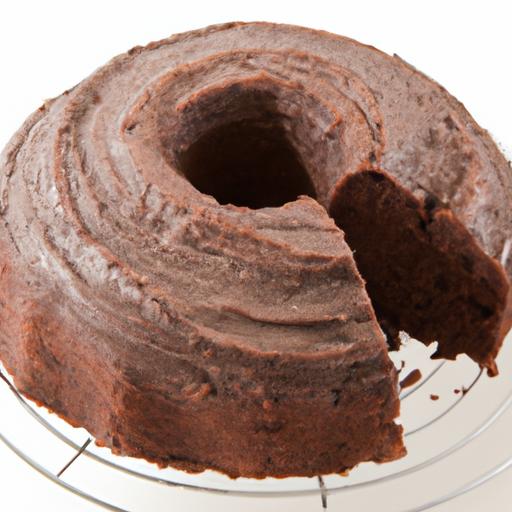

Baking the perfect cake is both an art and a science, a delightful dance between precise measurements and inspired creativity. Whether you’re a seasoned baker or a kitchen novice, mastering this timeless craft can transform simple ingredients into a mouthwatering masterpiece that brings joy to any occasion. In this ultimate guide, we’ll whisk you through every step, share expert tips, and unveil secret techniques to help you achieve that flawless crumb, moist texture, and irresistible flavor every time. Prepare to unlock the magic behind baking the perfect cake and turn your oven into a gateway to sweet success.
Choosing the finest ingredients for unmatched flavor and texture is the cornerstone of any exceptional baking experience. When crafting the perfect cake batter, every component plays a pivotal role-from the richness of freshly ground vanilla beans to the quality of your butter and flour. This attention to detail ensures your cake isn’t just flavorful but boasts a tender crumb and moist bite that lingers in memory.
Prep and Cook Time
- preparation: 20 minutes
- Baking: 30-35 minutes
- Total Time: 50-55 minutes
Yield
Serves 8 generous slices
Difficulty Level
Medium – perfect for bakers ready to hone their skills
Ingredients
- 1 ¾ cups all-purpose flour, sifted
- 1 cup granulated sugar
- ½ cup unsalted butter, softened to room temperature
- 3 large eggs, at room temperature
- 1 cup whole milk, warmed slightly
- 2 tsp baking powder
- ½ tsp fine sea salt
- 1 tbsp pure vanilla extract (freshly scraped vanilla bean optional)
Instructions
- Preheat the oven to 350°F (175°C). Grease and flour an 8-inch round cake pan or line it with parchment paper for a flawless release.
- Cream the butter and sugar in a large bowl using a stand mixer fitted with a paddle attachment or a hand mixer on medium speed. Beat until the mixture is light, fluffy, and pale in color-about 4-5 minutes. This aeration is key to a soft crumb.
- Add eggs one at a time, mixing well after each addition to create an even emulsion. If the batter looks curdled, don’t worry-once the dry ingredients and milk blend in, it will smooth out beautifully.
- Sift together the flour, baking powder, and salt in a separate bowl.
- alternately add the dry ingredients and warm milk into the wet mixture in three parts: start and end with the dry ingredients. Gently fold with a spatula or mix on low speed. Overmixing will develop gluten and cause toughness; aim for a homogenous batter without streaks.
- Pour the batter evenly into your prepared pan. Tap gently against the countertop to release trapped air bubbles and ensure even rising.
- Bake for 30-35 minutes, rotating halfway through for even cooking. Insert a toothpick in the center; when it comes out clean or with a few moist crumbs, your cake is ready.
- Remove from the oven and allow the cake to cool in the pan for 10 minutes before transferring to a wire rack. Cooling prevents sogginess and preserves the delicate crumb.
Tips for Success
- Use room temperature eggs and butter to ensure smooth mixing and maximum volume.
- Sifting flour adds air and prevents clumps, leading to a lighter texture.
- Warm milk changes the batter temperature slowly, helping the leavening agents activate properly for a tender crumb.
- Don’t skip the creaming step; it’s essential for incorporating air that results in a light and fluffy cake.
- If your kitchen is warm, chill the mixing bowl and beaters briefly to keep butter from melting prematurely during creaming.
- For a flavor twist, try substituting half the vanilla extract with almond extract or adding a tablespoon of citrus zest.
- Make ahead: the cake can be wrapped tightly and frozen for up to one month without compromising freshness.
Serving Suggestions
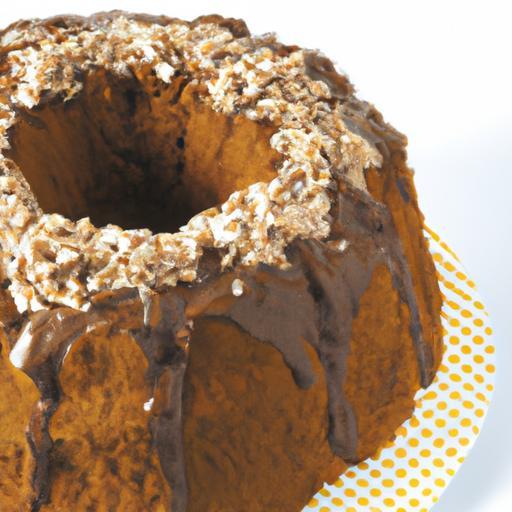
Present your cake on a beautiful pedestal or cake stand to highlight its inviting height and tenderness. Garnish simply with a dusting of powdered sugar, or elevate with a glossy ganache or whipped cream frosting for remarkable contrast.
Fresh berries, edible flowers, or a sprinkle of toasted nuts add delightful bursts of color and texture.Serve with a side of freshly brewed coffee or a light herbal tea to complement the cake’s buttery sweetness perfectly.

| Nutrient | Per Serving |
|---|---|
| Calories | 320 kcal |
| Protein | 5 g |
| Carbohydrates | 42 g |
| Fat | 14 g |
For more adventurous bakers eager to explore flavor dynamics and detailed temperature control, check out our Advanced Baking Techniques to sharpen your skills. To deepen your understanding of ingredient sourcing, the King Arthur Baking Flour Guide is a fantastic resource with expert advice on picking the right flour for your cakes and pastries.
Q&A
Q&A: The Ultimate Guide to Baking a Perfect Cake Recipe
Q1: What’s the secret ingredient to baking a perfect cake?
A1: While flour, sugar, eggs, and butter form the backbone of any cake, the true secret lies in balance-and love! Measuring ingredients precisely, using fresh components, and taking your time to mix gently can transform a good cake into a perfect one. Don’t forget a pinch of patience!
Q2: How important is the quality of ingredients?
A2: Absolutely vital! Fresh eggs, high-quality vanilla extract, real butter, and sifted flour make all the difference. Think of baking as chemistry; premium ingredients give your cake a richer flavor and better texture. When in doubt, opt for quality over quantity.
Q3: Can I substitute ingredients without ruining my cake?
A3: Some substitutions work seamlessly-like swapping buttermilk with milk plus lemon juice or replacing oil with applesauce for a healthier twist. However, altering core elements like flour or sugar dramatically affects texture and rise. Always research substitutes carefully or test in small batches first.
Q4: How do I know when my cake is perfectly baked?
A4: The golden rule: your cake is ready when it springs back gently under finger pressure, edges start to pull away from the pan, and a toothpick inserted in the center comes out clean or with a few moist crumbs. Avoid under- or over-baking to keep moistness intact.
Q5: What mixing techniques help avoid a dense cake?
A5: Overmixing is the arch-nemesis of light cakes; it develops too much gluten, making the cake tough. Rather, mix until ingredients just combine. For fluffy cakes, gently fold dry ingredients into wet ones and don’t rush the process.
Q6: How does oven temperature affect cake baking?
A6: Oven temperature is your baking compass. Too hot, and the cake browns on the outside but stays raw inside; too low, and it bakes unevenly and sinks. Preheat your oven and consider using an oven thermometer for precision. Generally, 325°F to 350°F works for most cakes.
Q7: Can I bake a perfect cake without fancy equipment?
A7: Absolutely! A trusty mixing bowl, a whisk or spoon, a pan, and an oven are all you really need. Creativity and attention to detail matter more than gadgets. That said, quality pans and tools can make the process smoother.
Q8: What tips help with cake decoration without being a pro?
A8: Start simple: a smooth buttercream or a dusting of powdered sugar can add elegance. Use spatulas or even a plastic bag with a tiny cut corner for piping. Fresh fruit, edible flowers, or sprinkles add color and charm without fuss.
Q9: How do I store a cake to keep it fresh?
A9: Store your cake in an airtight container at room temperature for up to 2 days. For longer storage, wrap it tightly and refrigerate or freeze. Bring refrigerated cakes back to room temperature before serving for the best flavor and texture.
Q10: What’s the best mindset for baking the perfect cake?
A10: Embrace baking as a joyful experiment. Every cake teaches you something new-whether it’s about measuring, timing, or flavors. Stay curious, be patient, and most importantly, enjoy the magic of turning simple ingredients into a slice of happiness.
Insights and Conclusions
With the oven timer ticking down and the sweet aroma filling your kitchen, you’ve now unlocked the secrets to baking the perfect cake. Whether you’re a novice whisking for the first time or a seasoned baker aiming for that flawless crumb, this guide has equipped you with the tools, tips, and techniques to turn simple ingredients into a slice of masterpiece. Remember, baking is part science, part art, and all heart – so don’t be afraid to experiment, savor the process, and share your creations with those you love. Now, armed with your newfound cake wisdom, it’s time to roll up your sleeves, preheat your oven, and bake your way to delicious perfection. Happy baking!