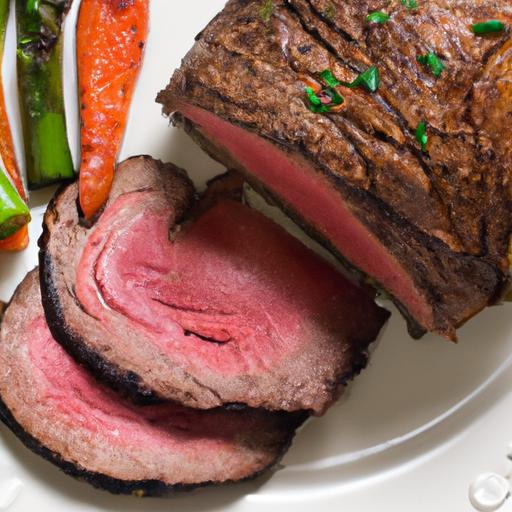

There’s something timeless about a perfectly roasted beef – tender, juicy, and bursting with rich, savory flavors that linger on the palate. Among the many recipes that promise this culinary delight, the Wilson Roast Beef stands out as a classic favorite, celebrated for its simplicity and depth of flavor. But mastering this dish isn’t just about following a recipe; it’s an art that involves understanding the nuances of seasoning, roasting, and resting the meat to unlock its full potential.
In this article, we’ll guide you through the essential tips and techniques to perfect the Wilson Roast Beef, transforming an ordinary cut into a mouthwatering masterpiece that will impress family and friends alike. Get ready to elevate your roast beef game and savor every flavorful bite!
Master the Wilson Roast Beef Recipe: Tips for Perfect Flavor begins with a careful selection of ingredients and techniques designed to bring out the meat’s natural richness and succulence. Rooted in conventional American culinary heritage, the Wilson Roast Beef stands apart by its balance of bold seasoning and precise cooking methods. This dish has been a personal favorite at family gatherings, where the aroma of perfectly roasted beef fills the room, promising a meal that’s both hearty and refined.
Prep and Cook Time
- Preparation: 20 minutes
- Cooking: 1 hour 45 minutes
- Resting Time: 15 minutes
Yield
Serves 6 generous portions
Difficulty Level
Medium – Ideal for home cooks wanting to elevate their roasting skills with precision and confidence.
ingredients
- 4 lbs prime beef rib roast, trimmed
- 2 tbsp kosher salt
- 1 tbsp freshly cracked black pepper
- 1 tsp garlic powder
- 1 tsp smoked paprika
- 2 tbsp olive oil, extra virgin
- 4 cloves garlic, thinly sliced
- 1 sprig fresh rosemary
- 1 cup beef broth, low sodium
- 1/2 cup dry red wine (optional, for pan sauce)
- 1 tbsp unsalted butter (for finishing)
Instructions
- Preheat your oven to 450°F (230°C). Pat the beef dry with paper towels for an even sear and better crust formation.
- In a small bowl, combine kosher salt, black pepper, garlic powder, and smoked paprika. Rub this seasoning generously all over the beef, ensuring each surface is coated to build layers of flavor.
- Insert garlic slices under the roast’s fat cap and tuck the rosemary sprig alongside for aromatic infusion during roasting.
- Heat olive oil in a large oven-safe skillet or roasting pan over medium-high heat. Sear the roast for 3-4 minutes on each side until a deep golden crust develops, locking in the juices.
- Transfer the skillet to the preheated oven and roast at 450°F for 15 minutes. This high-heat jumpstart caramelizes the exterior beautifully.
- Reduce the oven temperature to 325°F (160°C) without opening the door and continue roasting. Plan approximately 13-15 minutes per pound for medium-rare; use a meat thermometer, aiming for 130°F (54°C) internal temperature.
- Remove the roast and tent loosely with foil. Let it rest for 15 minutes-this crucial step lets juices redistribute evenly, ensuring moist tenderness throughout.
- For the pan sauce: Place the skillet back on medium heat, add red wine and beef broth to deglaze, scraping up all the flavorful browned bits. Reduce by half, then swirl in the unsalted butter for a rich finish.
- Slice thinly against the grain and serve immediately with pan sauce drizzled over it.
Tips for Success
- Choose the right cut: Rib roast or sirloin are perfect for the Wilson Roast Beef, offering tenderness and marbling that amplify flavor.
- Season in advance: For deeper seasoning penetration, salt the roast and refrigerate it uncovered overnight. This dry brining intensifies flavor and improves crust.
- Use a reliable thermometer: Cooking times vary; internal temperature is the best guide to doneness.
- Rest patiently: Never skip resting-it’s key to juicy slices without dry edges.
- Make-ahead option: The pan sauce can be prepared and refrigerated up to 24 hours before serving; reheat gently to preserve texture.
Serving Suggestions
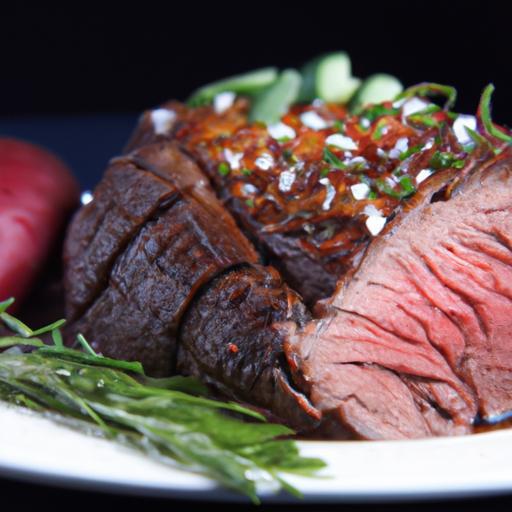
Present your Wilson Roast Beef on a wooden carving board to highlight its rustic charm. Garnish with fresh rosemary sprigs and a sprinkle of flaky sea salt for added texture. Pair with creamy mashed potatoes, roasted root vegetables, or a crisp green salad to contrast the rich meat. For beverages, a full-bodied red wine such as Cabernet Sauvignon or Malbec complements the robust flavors expertly.

| Nutrient | Per Serving |
|---|---|
| Calories | 450 kcal |
| Protein | 48 g |
| Carbohydrates | 2 g |
| Fat | 28 g |
For more culinary inspiration and side dish ideas, check out our best side dishes for roast beef article. To deepen your understanding of meat cooking temperatures and safety, visit the USDA Food Safety and Inspection Service.
Q&A
Q&A: Master the Wilson Roast Beef Recipe - Tips for Perfect Flavor
Q1: What makes the Wilson Roast Beef recipe stand out from other roast beef recipes?
A1: The Wilson Roast Beef recipe is famed for its harmonious balance of bold seasoning and tender juiciness. Unlike ordinary roasts, it utilizes a unique spice blend and slow-roasting technique that locks in deep, savory flavor while achieving a melt-in-your-mouth texture. This recipe’s secret lies in its simplicity paired with a meticulous approach to timing and temperature.
Q2: What are the key ingredients that create the signature flavor in the Wilson Roast Beef?
A2: At the heart of the Wilson Roast Beef’s flavor profile is a carefully crafted rub featuring garlic, black pepper, kosher salt, rosemary, and a hint of smoked paprika. These spices complement the natural beefiness without overpowering it. Additionally, fresh herbs and a splash of Worcestershire sauce elevate the aroma and depth of flavor.
Q3: How critically important is the choice of beef cut for this recipe?
A3: Extremely important! The Wilson roast Beef recipe recommends using a prime cut like top sirloin or ribeye roast. These cuts have the right balance of marbling and tenderness, ensuring a juicy roast. Choosing quality beef guarantees the foundation for outstanding flavor and texture.
Q4: Can I prepare the roast in advance to save time on the day of cooking?
A4: Absolutely. Marinating the beef overnight with the seasoning rub deepens the flavors and tenderizes the meat. Just wrap it tightly and chill in the refrigerator. Bring it to room temperature before roasting-this helps the beef cook evenly and keeps it perfectly juicy.
Q5: What is the ideal roasting temperature and time for the Wilson Roast Beef for a medium-rare finish?
A5: For a tender, medium-rare roast, preheat your oven to 325°F (160°C). Roast the beef approximately 20 minutes per pound, but the best way to ensure perfect doneness is by using a meat thermometer-pull the roast out at 130°F (54°C) and let it rest. The internal temperature will rise during resting, settling at the ideal 135°F (57°C).
Q6: Why is resting the roast beef crucial, and how long should it rest?
A6: Resting allows the meat fibers to relax and reabsorb the juices that were pushed out during roasting. Without resting, slicing the roast leads to a dry, less flavorful bite. Let your roast rest tented loosely with foil for at least 15-20 minutes before carving to maximize tenderness and flavor.
Q7: Are there any recommended side dishes or sauces that pair exceptionally well with the Wilson Roast Beef?
A7: The Wilson Roast Beef pairs beautifully with roasted root vegetables, creamy mashed potatoes, or a fresh arugula salad with a tangy vinaigrette. For sauces, a classic horseradish cream or a rich red wine jus accentuates the beef’s robust flavor without overshadowing it.
Q8: Can the Wilson Roast Beef be adapted for a slow cooker or grill?
A8: While the original recipe shines in the oven, you can adapt it for a slow cooker by searing the roast first and then cooking on low for several hours with broth and seasonings. For grill enthusiasts, indirect heat on a covered grill can mimic oven roasting, but careful temperature control is key to avoid overcooking.
Q9: What common mistakes should be avoided when making the Wilson Roast Beef?
A9: Avoid cooking the beef straight from the fridge-the temperature difference can cause uneven cooking. Skimping on seasoning reduces flavor impact, and neglecting to rest the roast can result in dry meat. Also, rely on a thermometer rather than guestimating cooking time to nail the perfect doneness.
Q10: How can I personalize the Wilson Roast Beef recipe to suit my taste preferences?
A10: Feel free to experiment by adding different herbs like thyme or oregano, or incorporating a touch of cayenne for a spicy kick. You can also try finishing the roast with a sear in a hot cast-iron pan for an extra crust of flavor. The recipe is a great canvas for creativity while maintaining its classic appeal.
Mastering the Wilson Roast Beef recipe turns a simple dinner into an unforgettable experience. With the right cut, seasoning, and attention to cooking technique, perfect flavor is just a roast away!
Insights and Conclusions
Mastering the Wilson Roast Beef recipe is more than just following steps-it’s about embracing the art of flavor, patience, and precision. With these tips tucked into your culinary toolkit, you’re well on your way to serving up a roast that’s juicy, tender, and bursting with savory goodness every time. Whether it’s a holiday feast or a cozy family dinner, your perfectly roasted beef will undoubtedly become the star of the table. So sharpen your knives, preheat that oven, and let the Wilson Roast Beef recipe transform your cooking into a delicious tradition worth savoring.