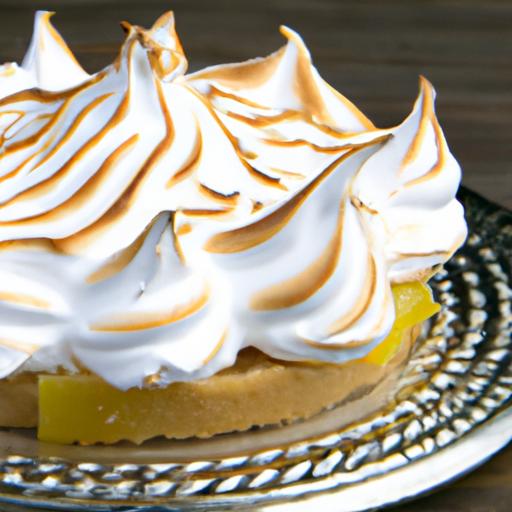

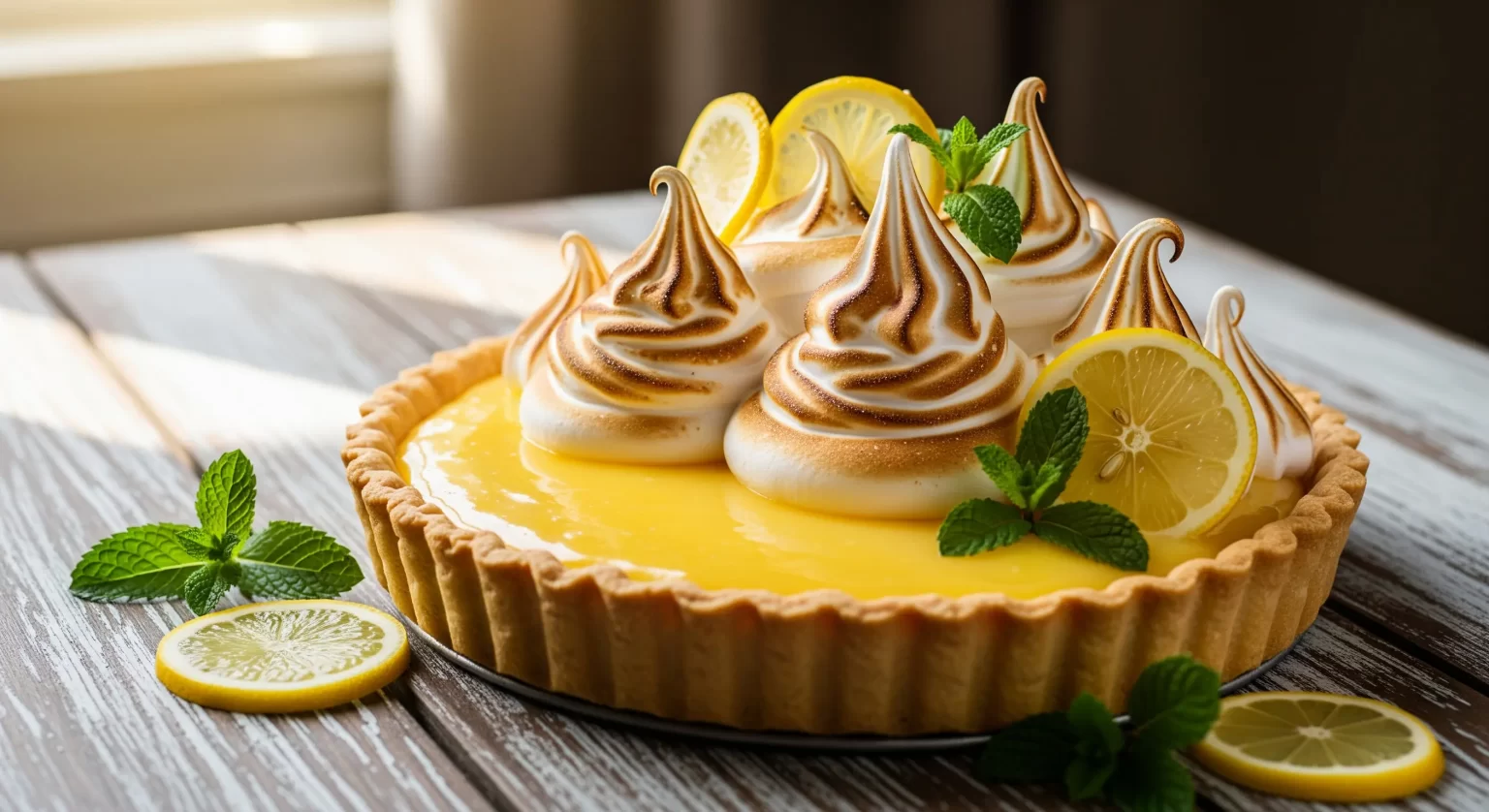
There’s a certain magic in the way a lemon meringue pie captures the senses-a tangy burst of citrus harmonizing with a cloud of airy sweetness, all nestled within a crisp, buttery crust. This timeless dessert is more than just a treat; it’s a delicate dance of chemistry and creativity, where precise science meets culinary artistry. In “Zesty Delight: The Science and Art of Lemon Meringue Pie,” we embark on a flavorful journey to uncover the secrets behind its irresistible allure, exploring how simple ingredients transform into a masterpiece of texture, flavor, and visual appeal. From the delicate balance of tartness to the ethereal peaks of golden meringue, prepare to discover the fascinating interplay of nature’s chemistry and the baker’s craft that makes lemon meringue pie a true icon of dessert innovation.
Zesty Delight: The Science and Art of Lemon Meringue Pie
Zesty Delight: The Science and Art of Lemon Meringue Pie begins with a party of radiant citrus flavors and fluffy cloud-like meringue atop a perfectly crisp crust. This classic dessert is an intersection of culinary chemistry and artistry-a glorious balance of tangy lemon curd and sweet, airy meringue that delights every bite. Rooted in early 19th-century European traditions, each element tells a story, and mastering its nuances transforms your kitchen into a sanctuary of refined baking.
Prep and Cook Time
- Preparation: 30 minutes
- Cooking: 50 minutes
- Cooling: 2 hours (including chilling lemon curd and cooling pie)
Yield
Makes one 9-inch pie, serves 8
Difficulty Level
Medium: requires attention to temperature and timing, but is highly rewarding
Ingredients
- For the crust:
- 1 1/4 cups all-purpose flour, sifted
- 1/4 cup granulated sugar
- 1/2 tsp salt
- 1/2 cup unsalted butter, cold and cubed
- 1 large egg yolk
- 2 tbsp ice water
- For the lemon curd:
- 1 cup freshly squeezed lemon juice (about 4-5 lemons)
- 1 tbsp lemon zest
- 1 1/4 cups granulated sugar
- 4 large egg yolks
- 6 tbsp unsalted butter, cubed
- For the meringue topping:
- 4 large egg whites, room temperature
- 1/2 tsp cream of tartar
- 3/4 cup granulated sugar
- 1 tsp vanilla extract
The Tangy Chemistry Behind Perfect Lemon Curd
The heart of this dessert is the lemon curd, where acidity, sugar, and eggs converge in a delicate dance of chemistry. Achieving the perfect curd requires slow, gentle heating to gently denature the proteins in the egg yolks without scrambling them, producing a velvety texture that’s both smooth and tangy. The fresh lemon juice introduces a bright acidity that cuts through the richness of butter and egg yolks, creating an irresistible balance.
Adding lemon zest elevates the flavor profile, lending aromatic oils that intensify freshness, while careful whisking keeps the curd smooth. This is where patience pays off-stirring constantly over medium-low heat gives the curd time to thicken without lumps or bitterness. Once thickened, butter is folded in off the heat, enriching and giving it that glossy finish.
Mastering Meringue Magic for Fluffy Toppings
Creating the perfect meringue requires both technique and timing. Egg whites must be at room temperature for maximum volume, and cream of tartar helps stabilize the foam. Start beating at low speed until foamy, then gradually add sugar-this slow incorporation ensures tiny, tight sugar crystals dissolve fully for a glossy, stiff peak meringue that holds shape impeccably.
Whip to just the right firmness; overbeating causes graininess, while underbeating leads to weeping after baking. When spreading atop the hot lemon filling, take care to seal the edges to prevent shrinkage. Baking at medium heat dries and crisps the outer layer while keeping the inside pillow-soft, creating a contrast that delights the palate and pleases the eye.
Balancing Sweetness and Acidity for Ultimate Flavor Harmony
The true brilliance of a lemon meringue pie lies in its flavor equilibrium. The sugar in the curd and meringue lessens the tartness of lemons, but too much sweetness can overwhelm, while too little leaves it biting and imbalanced. Using fresh lemon juice ensures clear, natural acidity without artificial sharpness.
Adjust sweetness slowly-taste your lemon curd before pouring into the crust, and after chilling, adjust sugar in the meringue topping if necessary. This layered sweetness creates depth in every bite, marrying citrus brightness with subtle sugary warmth.
Expert Tips for Achieving a Crispy Crust Every Time
A flaky, golden crust is the foundation of every memorable pie. Keep your butter chilled and cut it into the flour using a pastry cutter or your fingertips until the mixture resembles coarse crumbs, which bake into pockets of crispness.
Don’t skimp on chilling the dough before rolling-it relaxes gluten and prevents shrinkage when baked. Blind bake with pie weights or dried beans until edges are golden to provide a sturdy barrier against soggy fillings.
Brush the crust with beaten egg white before adding lemon curd for an extra layer of moisture protection, locking in the crisp texture beneath the luscious filling.
Instructions
- Prepare the crust: In a large bowl, whisk together flour, sugar, and salt. Cut in cold butter until the mixture resembles coarse crumbs. Stir in egg yolk and ice water until the dough just comes together. Shape into a disk, wrap in plastic, and chill for 30 minutes.
- Blind bake the crust: Roll chilled dough on a floured surface to fit a 9-inch pie dish. Prick with a fork, line with parchment, and fill with pie weights. Bake at 375°F (190°C) for 15 minutes. Remove weights and bake 5 minutes more until golden. Let cool slightly.
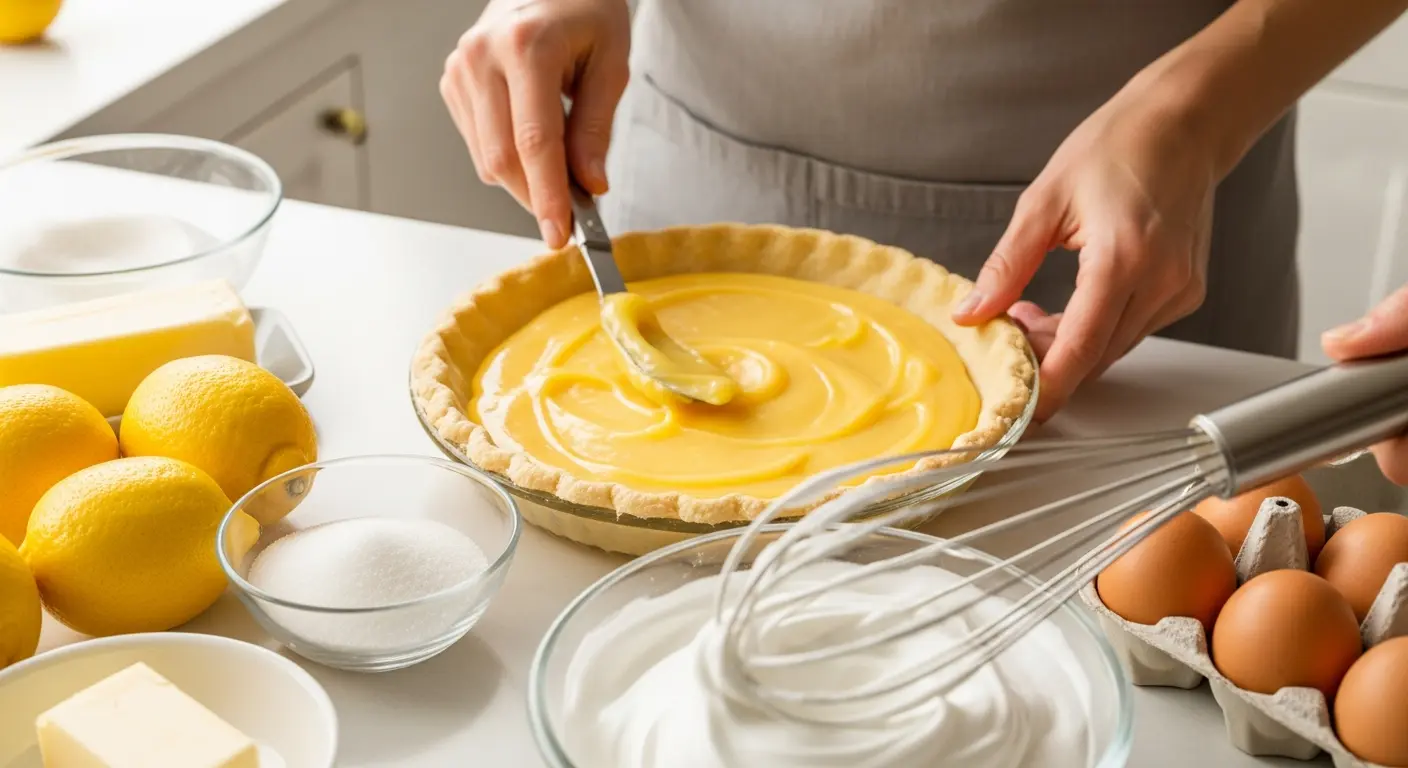
- Make lemon curd: Whisk lemon juice, zest, sugar, and egg yolks in a heatproof bowl. Place over simmering water; whisk constantly until thickened (~10 minutes). Remove from heat, stir in butter until smooth. Cool, then pour into the crust.
- Prepare meringue: Beat egg whites with cream of tartar until foamy. Gradually add sugar, beating until stiff, glossy peaks form. Whisk in vanilla extract.
- Assemble and bake: Spread meringue over lemon filling, sealing edges to crust. Bake at 350°F (175°C) for 12-15 minutes until meringue peaks are golden.
- Cool and serve: Cool pie to room temperature, then chill for 1-2 hours. Slice carefully with a sharp knife.
Chef’s Notes & Tips for Success
- For an extra zing, add a teaspoon of finely grated ginger to the lemon curd.
- Use a copper bowl for beating egg whites to achieve maximum fluffiness.
- If meringue weeps, it might potentially be due to undercooked sugar-ensure sugar dissolves completely by slow addition.
- Make the lemon curd a day ahead; flavor intensifies with resting time.
- To avoid cracking in meringue, cool pie inside the turned-off oven with the door slightly open.
- Substitute some of the lemon juice for lime juice for a unique citrus twist.
Serving Suggestions
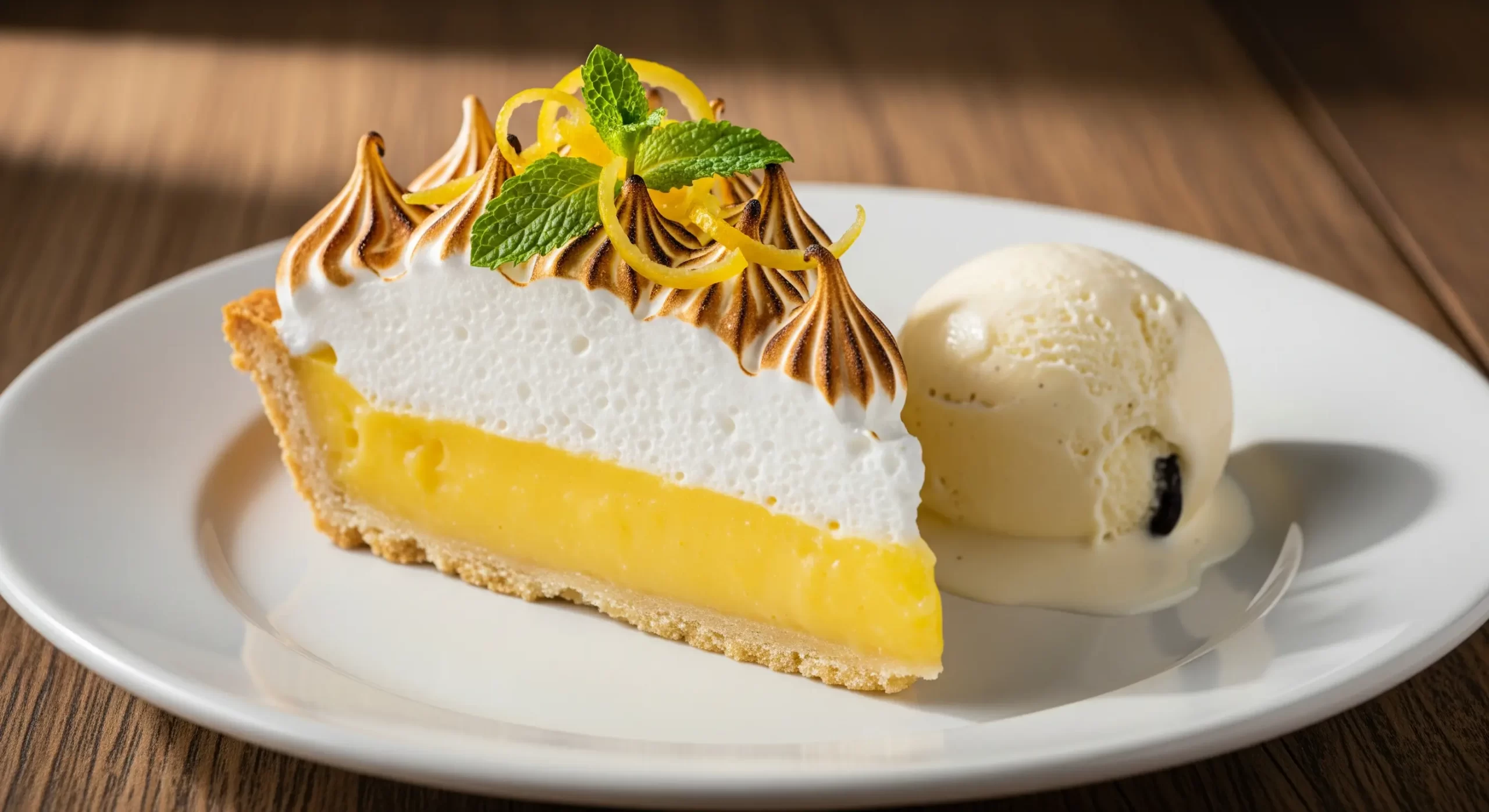
This pie shines best served chilled with a dollop of freshly whipped cream or a scoop of vanilla bean ice cream. Garnish with thin lemon slices or candied lemon peel for a dazzling presentation. A sprinkle of toasted coconut flakes or a few fresh mint leaves add color and texture contrast to each plate.

| nutrient | Amount per Serving |
|---|---|
| Calories | 320 kcal |
| Protein | 5 g |
| Carbohydrates | 40 g |
| Fat | 15 g |
Discover more about citrus-infused desserts and elevate your baking repertoire. For the science behind curdling and emulsification, visit Serious Eats for in-depth guides.
Q&A
Q&A: Zesty Delight – The Science and Art of Lemon Meringue Pie
Q1: What makes lemon meringue pie such an iconic dessert?
A1: Lemon meringue pie is a beautiful marriage of tart and sweet, creamy and fluffy. Its iconic status stems from the harmonious balance between the tangy lemon custard, the crisp buttery crust, and the airy,cloud-like meringue topping. Each bite offers a contrast of textures and flavors that delights the palate and evokes a sense of nostalgia.
Q2: How does lemon juice chemically transform the pie filling?
A2: Lemon juice is rich in citric acid, which plays a crucial role in setting the filling. When combined with sugar, egg yolks, and cornstarch or flour, the acid helps curdle the proteins just enough to create a smooth, thick custard.The acid also brightens the flavor, enhancing the pie’s refreshing zestiness.
Q3: What’s the science behind achieving the perfect meringue?
A3: The secret to perfect meringue lies in the physics of egg whites. When beaten, the proteins in egg whites unfold and trap air, forming a stable foam. Adding sugar slowly not only sweetens but also strengthens this foam by stabilizing the water-protein network. Properly whipped meringue is glossy, firm, and expandable – like a delicate edible cloud.
Q4: Why is it critically important to bake the meringue at the right temperature?
A4: Baking meringue at a moderate temperature dries out the foam gently, creating a crisp exterior while keeping the inside marshmallow-soft. Too hot, and the sugars caramelize or burn, turning the meringue brown or rubbery. Too cool, and the meringue remains sticky and weepy, prone to releasing moisture and collapsing.
Q5: How does the crust contribute beyond just holding the filling?
A5: The crust is the foundation – often a tender shortcrust or flaky pastry – adding a textural contrast and buttery richness that balances the pie’s tart brightness. The crust also absorbs some moisture during baking, developing a slight chewiness that complements the creamy lemon custard and light meringue topping.
Q6: Are there artistic tips to elevate the appearance of lemon meringue pie?
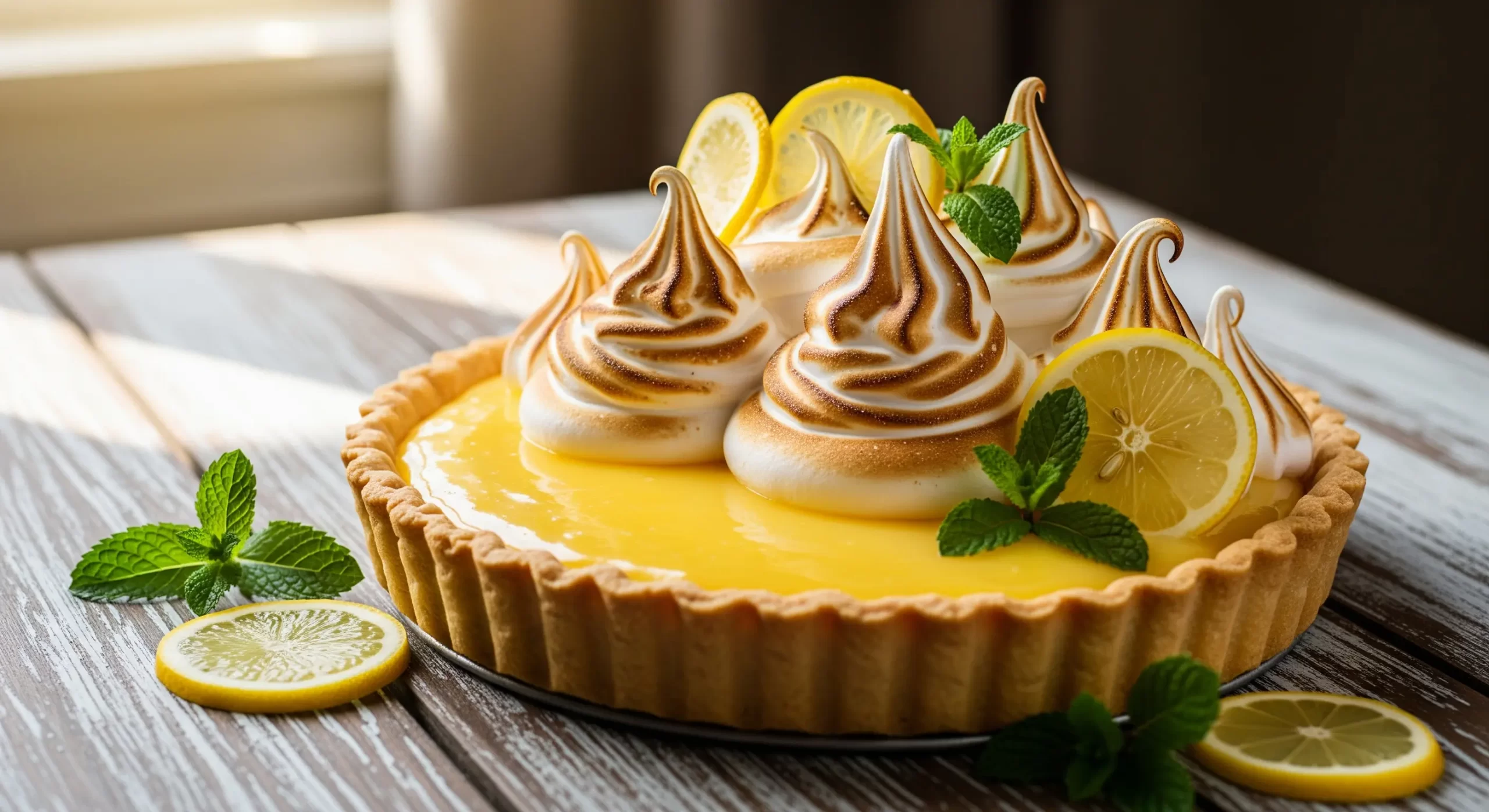
A6: Absolutely! Swirling meringue peaks with a spoon or piping it into decorative shapes creates visual drama. A quick torching or a few minutes under the broiler can add golden highlights and caramelized tips reminiscent of sunlit waves. Garnishing with thin lemon zest curls or mint leaves adds fresh color and elegance.
Q7: Can lemon meringue pie be customized while keeping its classic charm?
A7: The canvas is versatile! You can infuse the filling with additional citrus , like lime or orange, for complexity, swirl in fresh berries for bursts of natural sweetness, or experiment with choice crusts, like almond or graham cracker , to add new flavors. Just remember to maintain the signature balance of tartness, sweetness, and lightness that defines the classic.
Q8: Why does lemon meringue pie evoke such strong emotional connections?
A8: Beyond ingredients and technique, lemon meringue pie is often tied to family memories, celebrations, and homey comfort. Its bright, sunny flavor mirrors warm, joyful moments, while its intricate layers reflect care and attention - an edible metaphor for love and craftsmanship. This emotional resonance is part science, part art, and all heart.
Closing Remarks
From the precise balance of tart lemon curd to the delicate clouds of toasted meringue, lemon meringue pie is a testament to the harmonious dance between science and artistry in the culinary world. It invites us not only to savor its zesty delight but also to appreciate the chemistry that transforms simple ingredients into a timeless classic. Whether you’re a seasoned baker or a curious food lover, understanding the magic behind each layer enriches every bite, reminding us that great desserts are crafted with both knowledge and a touch of passion. So next time you slice into that golden masterpiece, take a moment to celebrate the sweet science and art that make lemon meringue pie an enduring symbol of flavor and finesse.